
In the Mid 1800s, 1900s and beginning of the year 2000, we will view through images the different transportation system along with how children were getting to school. It has been proven and seen that years ago, the most popular transportation method was their legs and feet. Schools were not like the average schools we see today, but schools for children during the 18th and early 19th century were churches, teachers, or student homes. Not all children were able to make it to school due to families not affording to send their children to learn and parents needed their children to help around with farm life or chores. No matter the weather conditions, children had to walk long distances since public school transportation did not exist. With these display cases you will see the changes and reasons for how children made it to school throughout the centuries.
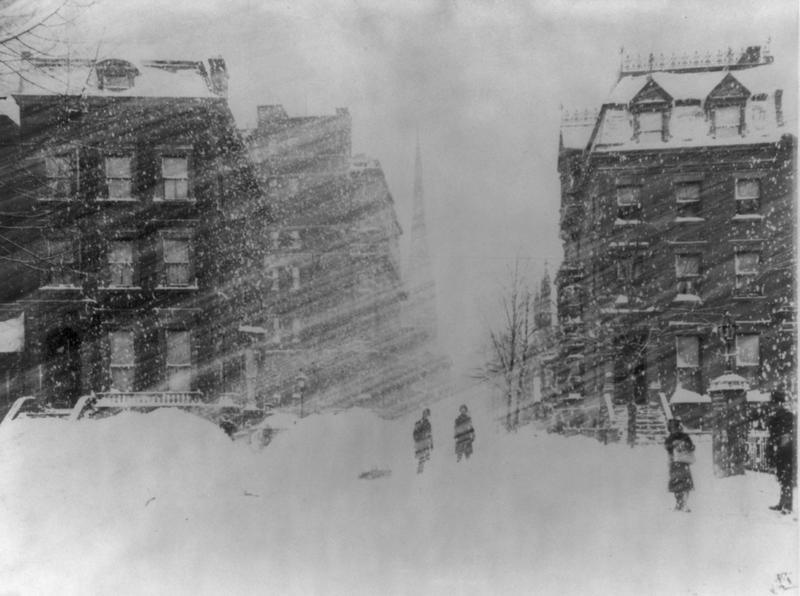
“The Great March Blizzard of 1888” Children were expected to go to school when help was not needed at home by their families. The image was taken in the year 1888, where it shows a great blizzard and how tall the snow is. You can also see the people and children outside walking trying to get to their destinations. Even with the required attendance, schools were extremely strict and expected great attendance. In current times, if there is more than one foot of snow, schools close and some roads are closed off for everyone’s safety. Safety was not a huge concern during the 1800s, but later throughout the years, children and their safety became their number one priority. Typically, children would walk about 1.5 miles to five miles back and forth to get to school and back home! During harvesting times, children had to stay home to help parents with farm life or female children would stay home and help their mothers with chores or taking care of their siblings.
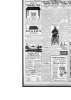
“Jitney Systems Proving Popular” The Jitney bus was smaller than the usual transportation bus we know. The newspaper article published on March 26, 1915, by the Harrisburg Telegraph explains how this transportation system has increased its way from west side of the USA to Harrisburg PA, making the Jitney exceedingly popular in the United States. It also explains the great profits received from its services and how the Jitney helps people get to work, school or places quicker. The Jitney was a better transportation option than the normal buses. The Jitney became popular due to its faster service, less overcrowding of people, and street cars were overpriced.
“Segregated School Buses In 1954” This image shows Linda Brown surrounded by other children while taking the bus to school. During the 1950’ segregation continued. Buses and schools were segregated, making it difficult for colored children to go to school or they had to work extra hard to travel or walk to school. Colored children had to take another bus, sit in the back seats where it was crowded with other colored children (just like the image shows) or had to be shuttled miles away to go to school. Months after this picture was taken, Linda Brown’s father filed a lawsuit against the Board of Education requesting for Linda to attend a school that was closer to their home.
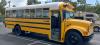
“New and Improved School Buses for Transporting Children" These are the buses our children use currently. Harrisburg District has a 1.5-mile rule. This rule means that if a student lives 1.5 miles from the school they need to attend, then they must walk to school. If the student lives past 1.5 miles from the school, then they are assigned to take the school buses. During this period, a lot more progress to keep students safe has been the primary goal. From picking them up to dropping them off, new installations have been done as you can see in the image. Stop signs are now in place, regular maintenance checkups, emergency exits and improved exterior and interiors parts of the bus. All these changes are to make it an easier access for children to ride the bus, promote trust between parents and the transportation department along with the school districts with allowing and entrusting that their children get to their assigned destinations.