
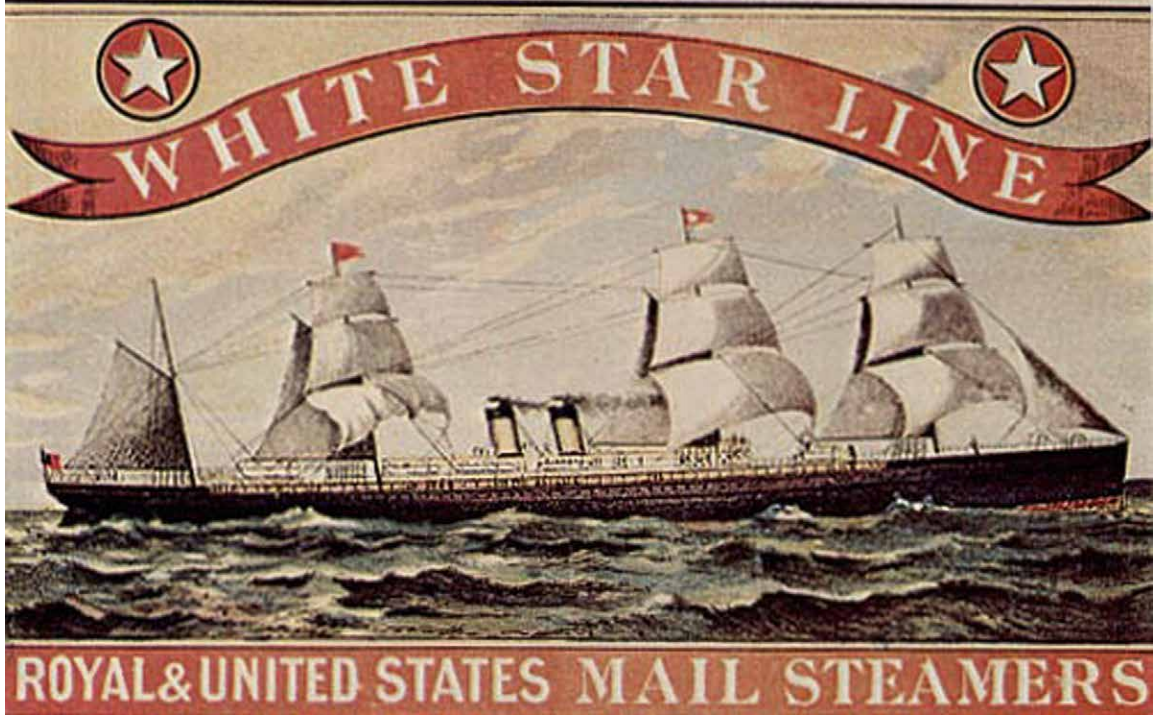

“Steamer”, the steamship, like the train, is very much a product of the industrial revolution. Powered by steam engines that move propellers, they allowed much faster travelling over waters (both in rivers and across seas). The steamers mentioned in Sen’s memoirs were most likely to be owned by a navigation company funded and managed by English capital. An example of such companies is the British India Steam Navigation Company (BI), founded as the Calcutta and Burmah Steam Navigation Company in 1856. The company started by making profits in the Moslem pilgrim traffic to Jeddah and international shipment of cargo and mail, gradually expanding its routes from the eastern waters.
The steamer, distinct from the man-powered boat, signifies a certain extent of economic privilege and respectability. While the boat is often used in Sen’s narrow escapes (from the murder suspect Swarnakamal and from the harassing Raja) for its secrecy, the steamer offers security and leisure. Also, by hiding away the work in the machinery of engines, both the steamer and the train help compartmentalize social groups whereas the boat passenger sits right next to the boat man. Observing Sen’s behavior and reactions in these contexts helps highlight her ambiguous status as a high caste woman under the Crown rule in India.
Sources:
- “British India Steam Navigation Company Ltd Archive Collection.” Royal Museums Greenwich, collections.rmg.co.uk/archive/objects/491989.html.
- “Ships and Boats: 1840-1950.” Historic England, historicengland.org.uk/images-books/publications/iha-ships-boats-1840-1950/heag133-ships-and-boats-1840-1950-iha/.