
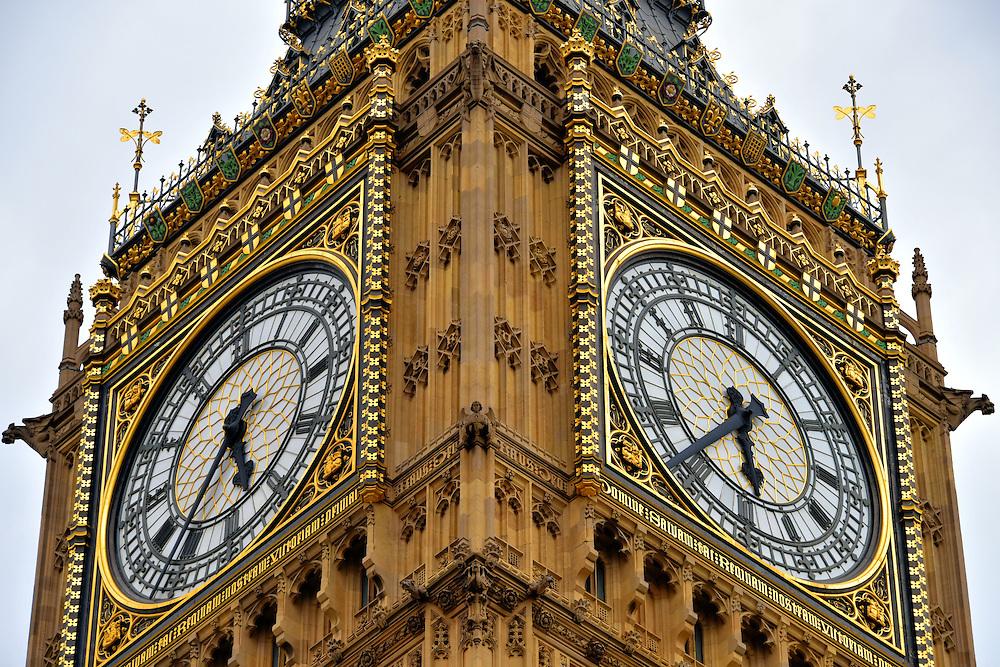


So, let's talk about the Palace of Westminster, yeah? This place is like the big boss of British politics, sitting all grand and mighty by the River Thames in London. You've probably seen it in pictures, with its iconic clock tower housing Big Ben. It's been around for ages, witnessing everything from historic debates to fiery political showdowns (Gillin 1). It definitely needs to be your first stop when trying to get a ‘First Impression London.
Now, if we take a peek into William Blake's poem "London," we get a bit of a darker vibe. Blake's painting a picture of the city back in the day, and he's not holding back. He talks about the streets being all "charter'd" up, basically saying everything's controlled and restricted. It's like he's pointing fingers at the rigid structures of power, maybe hinting at how the palace played a big role in calling the shots.
Then there's that part about "marks of weakness, marks of woe" on people's faces. It's like he's saying you can see the struggles etched on folks' expressions, hinting at the hardships faced by the working class. And when he mentions the "hapless Soldiers sigh" and "Palace walls" stained with blood, it's like he's reminding us of the violence and wars tied to Britain's imperial past, all linked to this grand old building.
But hey, let's not get too gloomy. The Palace of Westminster isn't just a relic of the past; it's still buzzing with political action today. It's where all the big decisions are made, shaping the future of the UK and beyond. And Big Ben? That clock's like the heartbeat of British democracy, ticking away through the highs and lows of politics (McKay 1).
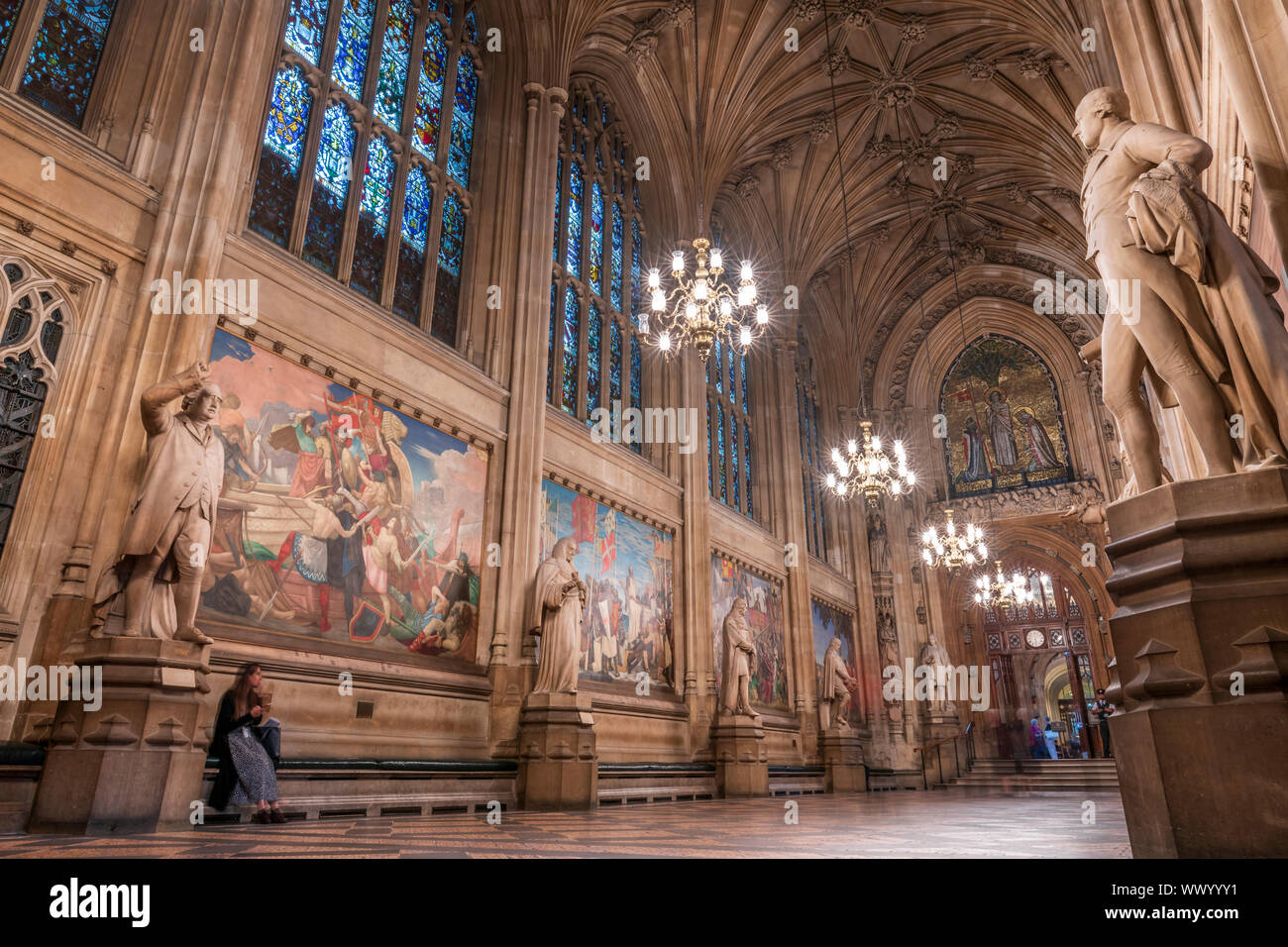
And have you seen the architecture? It's a mishmash of styles from different eras, like a living history book. From Gothic Revival vibes to modern renovations after that big fire in 1834, the palace's got it all (Sawyer 241). It's like taking a stroll through centuries of British identity, right there in one building.
So, yeah, the Palace of Westminster is more than just fancy architecture and political drama. It's a symbol of power, sure, but also of the struggles and hopes of generations past and present. And when you look at it through Blake's eyes, you can't help but feel the weight of history and the ongoing quest for a fairer society.
Works Cited
Big Ben Close Up at Palace of Westminster in London, England | Encircle Photos. (n.d.). Encircle Photos. Retrieved March 25, 2024, from https://encircleworldphotos.photoshelter.com/image/I0000nUeCAV8G3FY
Blake, William. "London." The Norton Anthology of English Literature, edited by Stephen Greenblatt et al., 9th ed., vol. D, W.W. Norton & Company, 2012, pp. 24-25.
File:City of Westminster - Palace of Westminster - 20220815173433.jpeg - Wikipedia. (n.d.). Wikipedia, the Free Encyclopedia. Retrieved March 25, 2024, from https://en.wikipedia.org/wiki/File:City_of_Westminster_-_Palace_of_West…

McKay, Chris. Big Ben: The great clock and the bells at the palace of Westminster. Oxford University Press, 2010.
Sawyer, Sean. "Delusions of national grandeur: reflections on the intersection of architecture and history at the Palace of Westminster, 1789–1834." Transactions of the Royal Historical Society 13 (2003): 237-250.