

Introduction
“The Cry of the Children” by Elizabeth Barrett Browning is a foundational poem in regards to the epidemic of child labor in England in 1843. Victorian poetry tended to focus on themes such as pessimism, realism, and a sense of responsibility. Themes such as these are crucial in regards to creating literature which would still be just as relevant in today’s modern society as they were back in their era. Browning’s use of realism as well as examples of vivid imagery of distressing emotion within children created a piece that was not only a piece of literature, but was a cry for help and change in society.
In regards to the epidemic of child labor in the twenty first century, it is a more “underground” issue. In several countries today, child labor is illegal and employers can be imprisoned and/or fined. It is important to state that in regards to the country of origin of this poem, England, child labor is now illegal. Some of the countries which have the highest rating include India, Bangladesh, Pakistan, and Nepal. Through these statistics, it is evident that South Asian countries are in the forefront of participating in this inhumane epidemic. According to the International Labour Organization, ILO, “there are 16.7 million (5-17 year old) children in child labour in South Asia… and of these 10.3 million are in the 5-14 year age range.”(child labor) Child labor is a practice that is neither safe nor regulated. Children are crammed into hot environments with a lack of breaks and a lack of ability to simply act like children. They are locked away in these terrible conditions and have no semblance of a normal childhood.
This gallery will be focused on the comparison of Victorian Era child labor in England and child labor as seen in South Asian countries in the modern world using Browning’s poem as a basis of the comparisons. Before divulging into the gallery series, it is important to note that child labor was legal in England during this time.
Works Cited
Child Labour in South Asia, ILO, 19 Aug. 2014, www.ilo.org/newdelhi/areasofwork/child-labour/WCMS_300805/lang--en/inde…;
Images in the Series
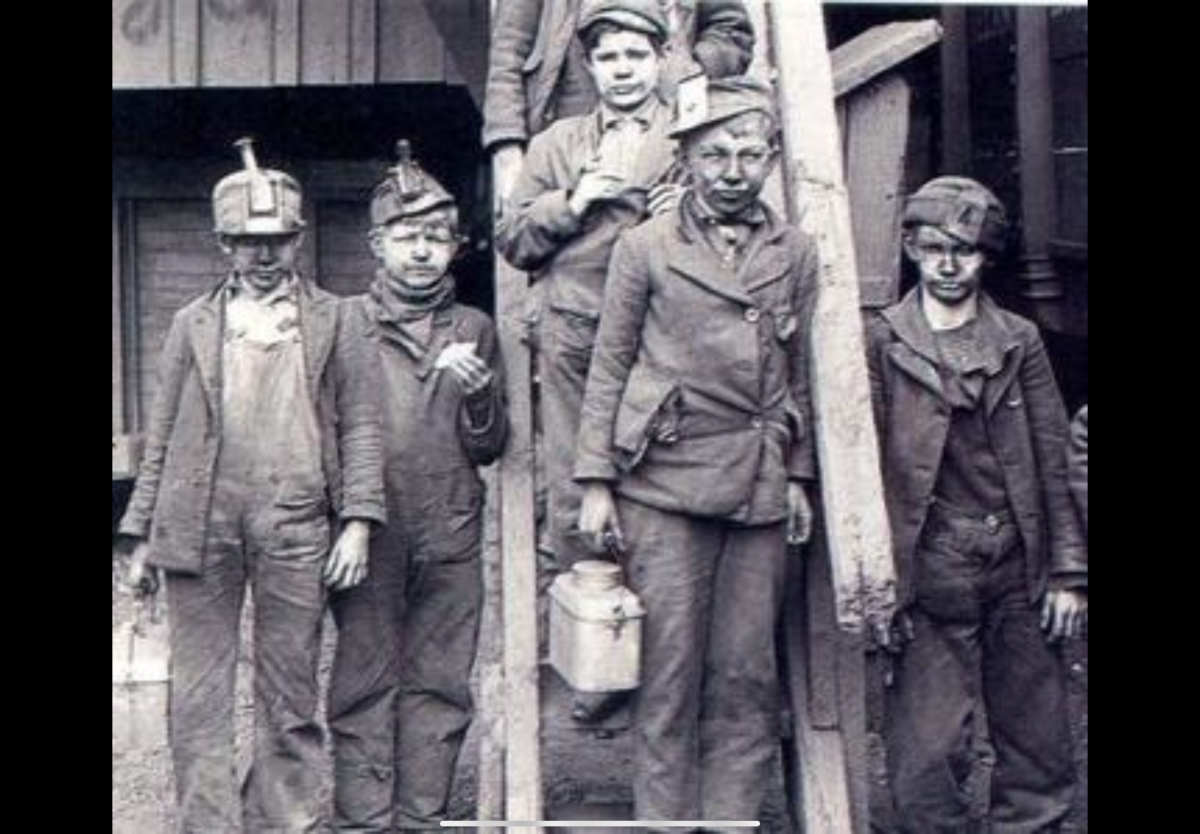
Fig 1. The Chimney Sweeps from Price, Paxton. “Victorian Child Labor and the Conditions They Worked In.” Victorian Children, 2 Mar. 2013, victorianchildren.org/victorian-child-labor/.
“They look up with their pale and sunken faces, and their looks are sad to see.”( Browning). This line from Browning describes the constant demeanors and emotions felt by the children participating in labor. This image specifically references the children who work in the coal mines. They were always covered in soot and typically were put into tight spaces where most adults would not be able to fit. In other words, they were thrown into more dangerous situations than the adults were put into. These children dealt with permanent problems including permanent sight damage, respiratory issues, and permanent spine deformation. Due to having to work long hours, these children had no time to be themselves. There was no time to play or be creative. Their pale faces, as referenced by Browning, could be directly related to the long hours spent underground. A lack of sun would create this pale and sunken look, on top of the health issues that were prevalent within the children. Browning uses descriptions such as these to engage pathos within the readers. She wants to evoke sadness by commenting on their physical descriptions to put emphasis on the inhumane nature of this practice.
Fig 2. Children of the Mill from “Victorian Era Child Labor Practise.” Victorian Era, 2020, victorian-era.org/victorian-era-child-labor.html.
‘“It is good when it happens,” say the children, “That we die before our time!”’(Browning). This image shows children, most likely around six or seven, working at what seems to be a mill. Their age is evident based on the fact that they cannot reach the top of the machine unless they’re standing on it. This is such a dangerous act because if they miss a step or stumble a bit, they can fall directly into the machine. This would result in extreme injuries which could even include losing a finger or two. These children also do not have extremely precise hand eye coordination, they have not had time to learn and get accustomed to moving in that sort of way. This also is extremely dangerous. In regards to Browning’s poem, because the children are constantly working and exposed to dangerous conditions, it is common for them to want some sort of escape. Browning explained how this escape would simply be death. These children did not have a lot of food, nice places to sleep, nor did they have any sort of education. Anyone would seek escape from a life of hardship and pain. This line is so powerful, and supported by the image, because it shows the conditions the children had to work in and it showed the masses that the sole purpose of a child is not to work. It proved that there was more intelligence and potential to a child, rather than constant, dangerous labor. It almost seems as though they viewed children as disposable.
Fig 3. Lone Labor from Ray, Katie. “Modern Day Child Labor in Indonesia.” COVE, 18 Apr. 2018, editions.covecollective.org/chronologies/modern-day-child-labor-indonesia.
This is the first image of modern child labor that will be discussed in this gallery series. Immediately after viewing the image, it is clear that this child is most likely around 6 to 8 years old. She should be in about kindergarten to first grade. Instead, she is barefoot working with bricks and sand. This is not a job suitable for children, nor is she suitably prepared for such a job. She is wearing a dress, seemingly too big on her, which provides absolutely no protection from the harsh environment. She also is covered head to toe with dust and dirt which could provide illness and injury. It is important to discuss the fact that if she is actively working at such a young age, she will most likely be forced to continue working for years ahead rather than gain an education or even simply enjoy life. Browning uses many comparisons to young animals in order to signify the innocence of children in the beginning of the poem. These comparisons are necessary because they add to the bleak depiction of what these children go through. Innocent children should be like the young innocent fawns and lambs chirping and playing, not suffering and working. It continues to evoke bleak pathos in the readers, or specifically, for those who force children into the practice of child labor. As this was an anti-child labor piece, all the symbols and allusions further portray the inhumane nature of the practice.
Fig 4. Modern Protests from Gutheil , Lou. “Child Labor: Not Gone, but Forgotten - Millions of Children Trapped between Extreme Poverty and the Profits of Others.” GFA, 9 July 2019, www.gfa.org/special-report/child-labor-today/.
Child labor is a practice, although illegal, takes place in almost every country. Countries around the world have laws banning it, however protests still occur because the practice continues. There are also many different articles, reports, and projects done on the basis of modern day child labor. If there is so much knowledge on the topic, why does it persist? That is a question that has no answer now, nor did it have an answer then. Without directly asking the audience the question, Browning asked “Do ye hear the children weeping… ere the sorrow comes with years ?” (Browning). Browning is asking the audience why humanity allows this inhumane act to persist. There is proof of it occurring and people are disgusted by it, but no change is occurring. She is providing insight into the issue in a way that would be digested by many; publishing it into a popular magazine. This act of advocacy is comparable to the image of the young boy advocating and protesting child labor. Both individuals are using public exposure as a way of advocating for change.