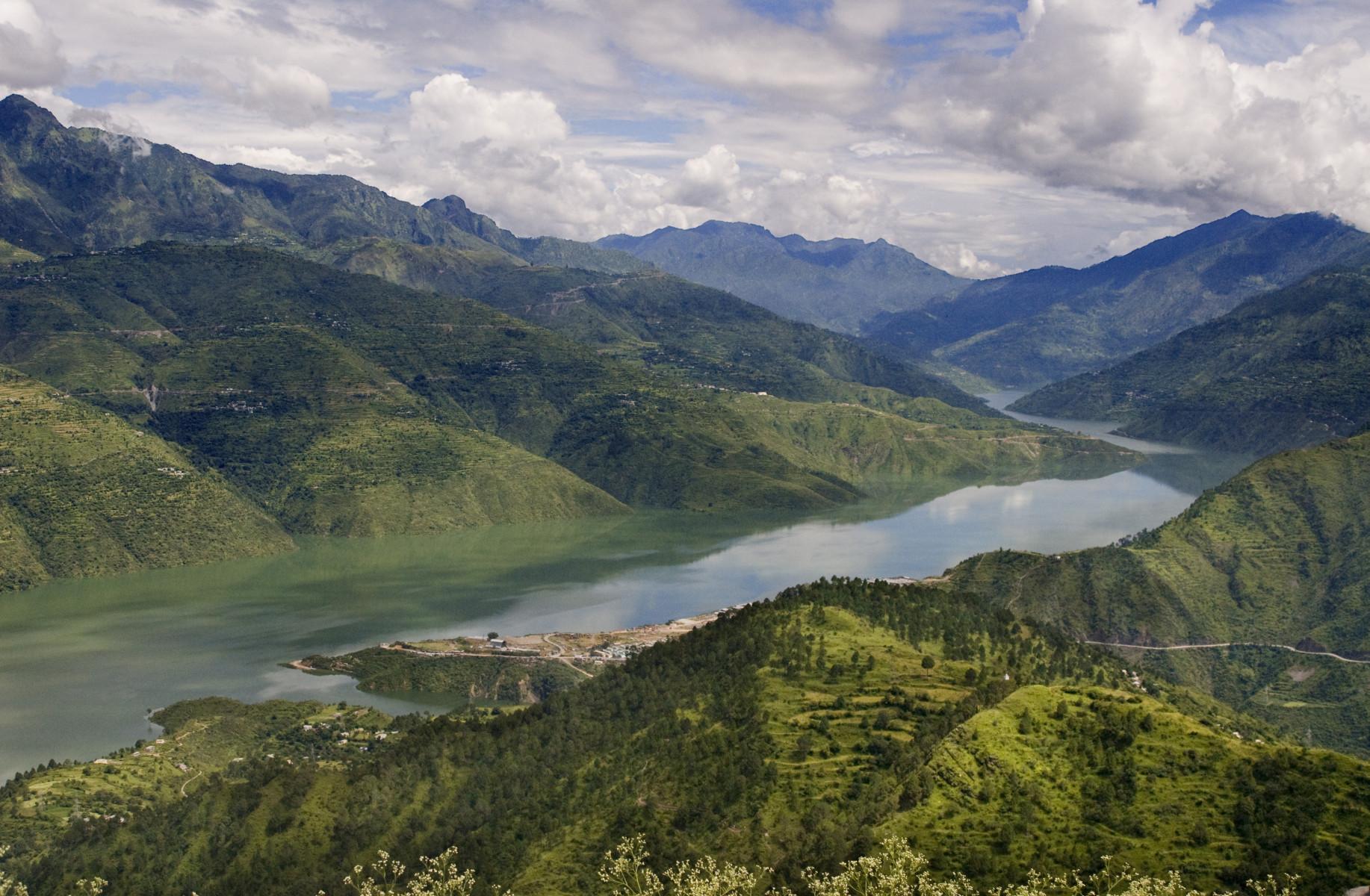
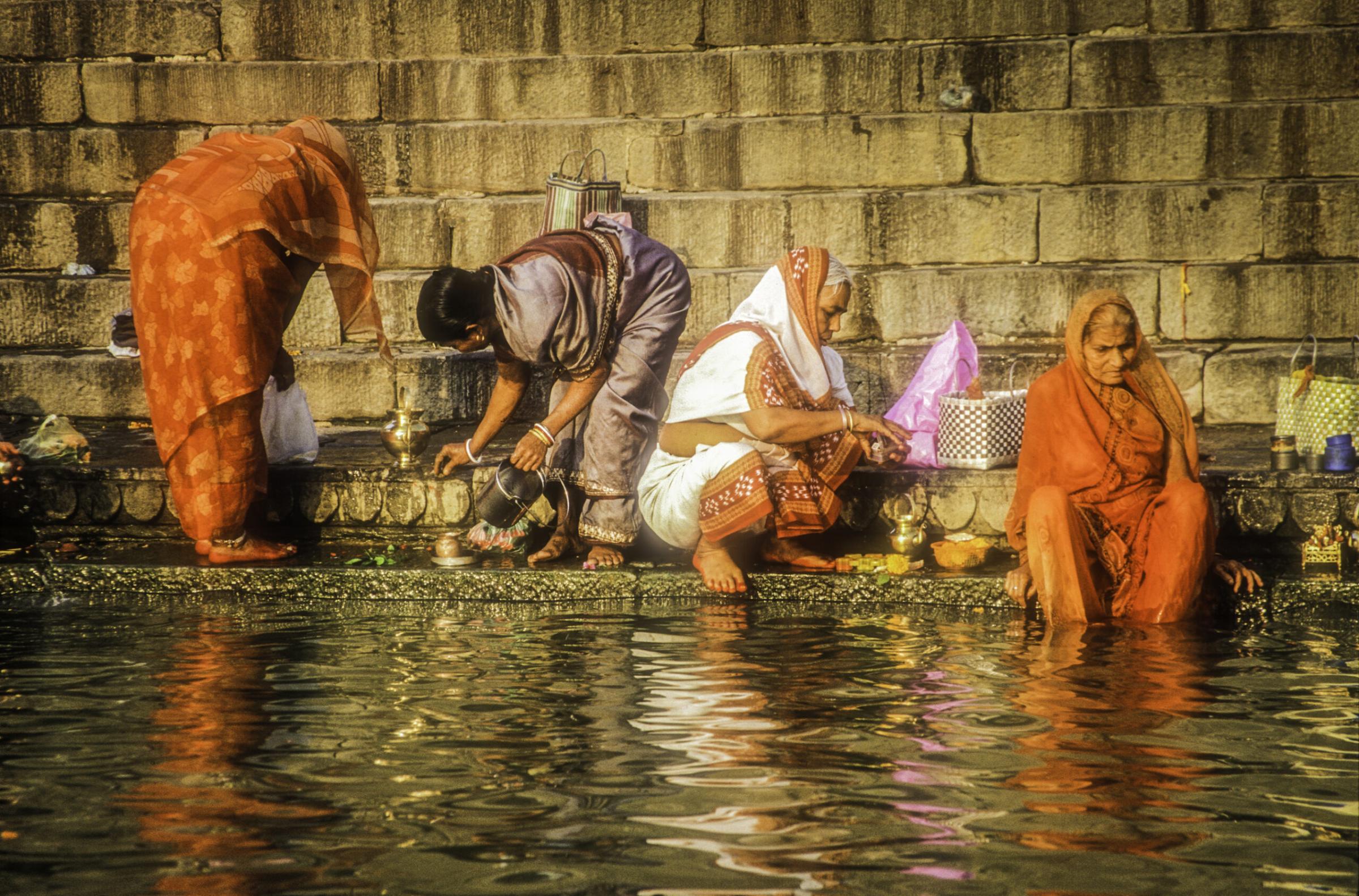
The Ganges River is significant to Jane Eyre as it is mentioned in chapter 34 when St. John says "-in dreams where I sleep by the Ganges: and again in a more remote hour- when another slumber overcomes me- on the shore of a darker stream!" (Brontë, 358). In a broader context, the Ganges is a sacred body of water in the Hindu religion as the goddess Ganga- the goddess of forgiveness and purification. Roughly 400 million people live in the surrounding river basin. It is also a revered spot for people of all spiritual beliefs as water is used in many religious traditions, namely baptisms, which is relevant to St. John's work as a missionary. Jane Eyre takes place during the long stretch of time (1757-1947) where India was occupied by Britain in some way, shape, or form. First by the East India Company, as is mentioned in the novel (Brontë, 358), and later under a more direct rule by the British Raj. This setting is so tied to the themes of colonization in the novel as the work of a missonary is inextricably linked to colonzation through the practice of conversion. St John's chosen path in life is to bring glory to his god by converting the people of India to Christianity, leading them away from their own religion and, in a way, their culture. He seeks to do the same to Jane, even though she is already what he considers to be a good Christian, by taking her away from her culture and making her lead the life he insists would suit her. He seeks to further England's colonization of India and to colonize Jane by making her his wife, tempting her with the image of this great, holy river while they sit beside a stream in the country Jane considers to be home.
Bibliography:
https://education.nationalgeographic.org/resource/ganges-river-basin/