
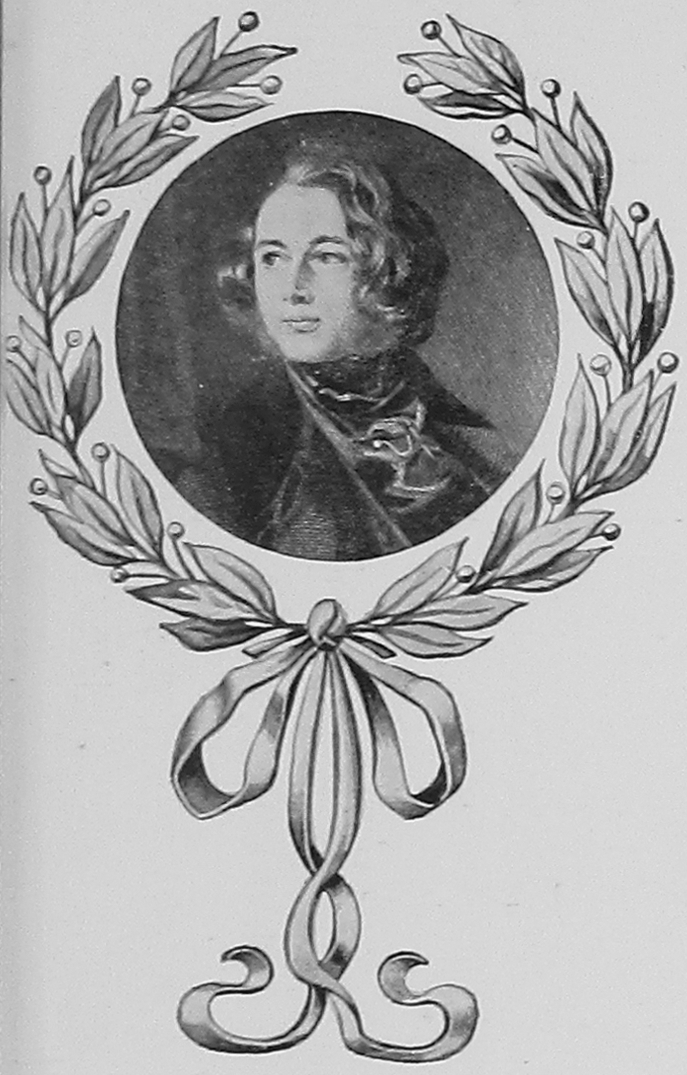
The childhood of Charles Dickens shaped the character of Oliver Twist. Dickens was born in 1812 to a family “pursued by poverty and haunted by debt” (“Charles Dickens”). He was described as a “very queer small boy,” which evokes a similar image to the description of Oliver Twist: “a pale thin child, somewhat diminutive in stature, and decidedly small in circumference” (Dickens 31). In the first portion of his childhood, the Dickens family inhabited a “dingy section of London” reminiscent of the dilapidated neighborhood of Fagin’s gang of criminals ("Charles Dickens"). Young Charles was often sent by his father John to negotiate for loans and credit, tasks which Charles despised but saw to for the sake of his family. Similarly, Oliver Twist is forced to deal in crime for the good of his “found family,” though he only does so after being threatened. Eventually, even Charles’s begging could not save the family, and in 1823, John was jailed for debt at Marshalsea with the rest of his family. Charles, however, was given separate lodgings nearby and only visited during his breaks from a relative’s blacking factory. During his visits, he is said to have “[gained] an unenviable knowledge of the life that went on within the prison,” which most likely informed his descriptions of the workhouse conditions in Oliver Twist (“Charles Dickens”).
The blacking factory was not much better. Dickens worked among “companions who could but be repulsive,” working class peers who were often cruel to him for his posh accent and manners (“Charles Dickens”). It is here that Dickens meets Bob Fagin, whose name he would one day bestow upon one of the most notorious villains in literary history. Contrary to what one might assume, Bob Fagin was the kindest presence in Charles’s life at the time. He instructed Charles in proper blacking techniques and defended him from the bullies in the factory. Despite his kindness, Charles believed Bob Fagin’s help “[undermined] [his] sense of his true identity” (Muller). Dickens desired to be an educated gentleman, and Fagin’s tutelage only brought him farther away from that goal. He believed he might “easily have been…a little robber or a little vagabond” if he had accepted Fagin’s friendship and grown more accustomed to the life he was forced to lead due to his father’s poor financial judgement (Muller). Luckily for Dickens, in the year 1824, his father was released, and he was enrolled in Wellington House Academy, where he began his educational career. Oliver Twist’s childhood is perhaps what Dickens believes his would have been if he had accepted Bob Fagin as a friend.
Works Cited
“Charles Dickens.” The Journal of Education, vol. 75, no. 2, 1912, www-jstor-org.liblink.uncw.edu/stable/42819392?Search=yes&resultItemClick=true&searchText=charles+dickens+oliver+twist&searchUri=%2Faction%2FdoBasicSearch%3FQuery%3Dcharles%2Bdickens%2Boliver%2Btwist&ab_segments=0%2Fbasic_search_solr_cloud%2Fcontrol&refreqid=fastly-default%3A950afdfb0756e7f279582451e0370c35&seq=2#metadata_info_tab_contents. Accessed 9 Feb. 2021.
Dickens, Charles. Oliver Twist. New York, Barnes & Noble Classics, 2003.
Green, Charles. “Charles Dickens.” Wikimedia Commons, 1912, commons.wikimedia.org/wiki/File:Charles_Dickens.png. Accessed 10 Feb. 2021.
Muller, Jill. Introduction. Oliver Twist, by Charles Dickens, Barnes & Noble Classics, 2003, pp. xiii-xxix.