

Introduction
Olaudah Equiano tells his story of salvery and the struggle to freedom in his piece The Interesting Narrative of Olaudah Equiano. He divides this narrative into four chapters, each one focusing on a different time frame of his story. This exhibit focuses on the fourth and final chapter, Manumission, and his struggle of trusting his owner with his freedom and the overhanging fear of being blindsided by his reliability. The tension in dialogue between Equiano and his master was especially apparent in this chapter as it began with his master refusing to believe Equiano fulfilled his side of the deal for his freedom. Reading through the dialogue there is a worry in the reader’s mind that the master is attempting to fall through on his side of the deal as he has no reason to follow through. Equiano had a friend in this chapter, a captain of a ship in the town’s harbor who was watching this conversation, and clearly played a big part in urging Equiano’s master into recognizing that he must honor the deal he made. My belief is that if the captain had not been there to make the master feel guilty about trying to not follow through then Equiano’s master would have rejected Equiano’s offer and Equiano would have experienced a much worse ending in his story.
The main issue brought to light by Equiano’s piece was the lack of trust slaves had for their owners due to the lack of guilt and consequences the owner’s faced when they did not follow through with their promise. When asking for freedom, the master’s often gave some type of deal that had to be fulfilled by the slaves before freedom would be considered. Often these deals were unattainable for the slaves and even if they did complete their side their master’s would not stick to their word and refused the slave their freedom. This unfair treatment was used on many slaves and caused their suffering to be prolonged and seemingly with no end.
The following images are meant to either support and relate to Equiano’s personal experience or represent how we change the perspective when reflecting on that time in our past.
Works Cited
Field, Emily Donaldson. “‘Excepting Himself’: Olaudah Equiano, Native Americans, and the Civilizing Mission.” MELUS: Multi-Ethnic Literature of the U.S., Oxford University Press, 31 Dec. 2009, https://muse.jhu.edu/article/367773.
Images in the Series
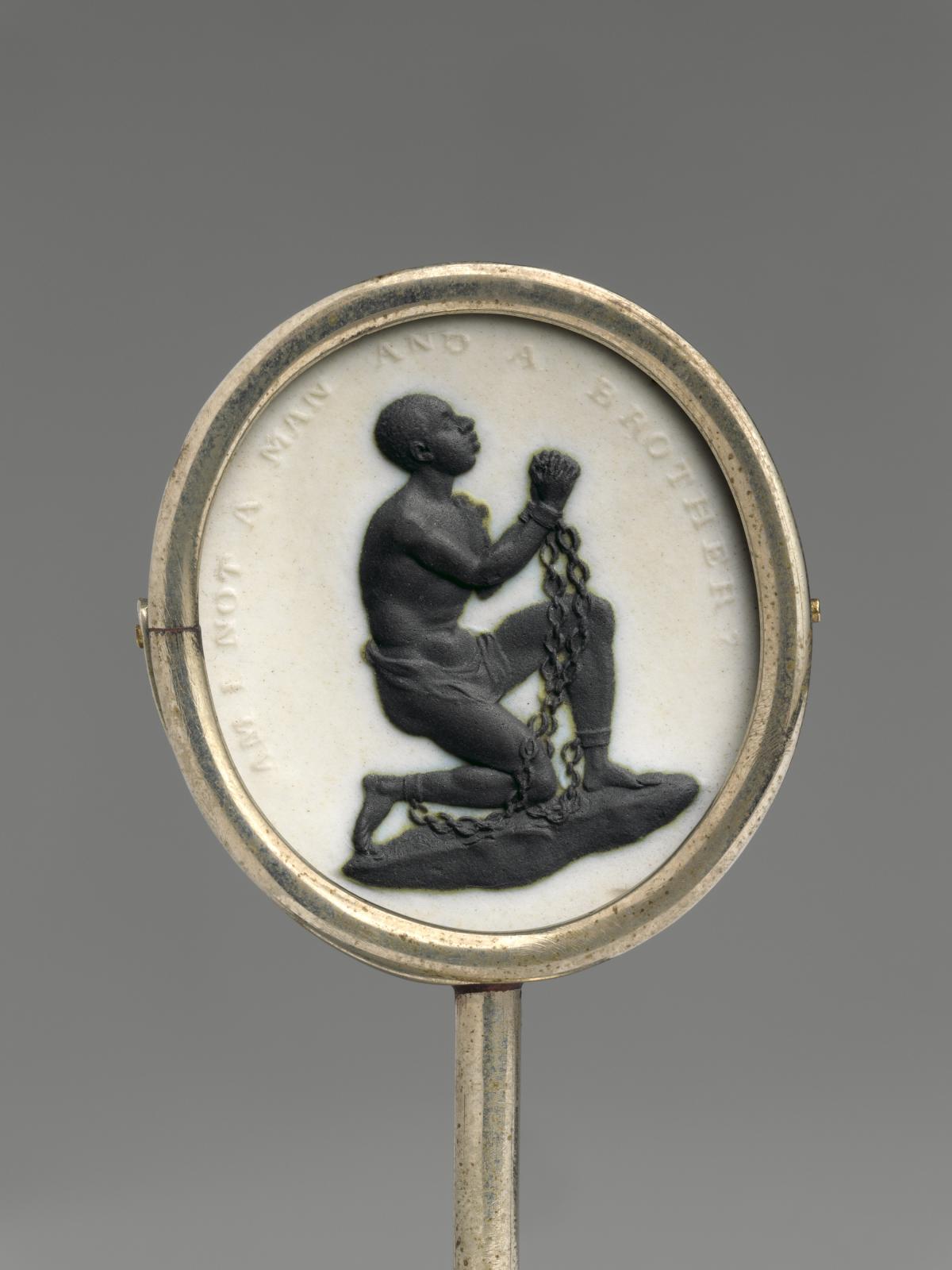
Fig 1. Joseph Wedgewood’s Medal
“Antislavery Medallion.” Metmuseum.org, https://www.metmuseum.org/art/collection/search/191076.
Joseph Wedgewood’s medal is the most supportive artifact of Equiano’s story and shows the internal worry within each slave asking for manumission from their owner. It depicts a figure kneeling seemingly begging for help. Due to his lower position there remains a lingering feeling of power over the kneeling figure. This feeling resonated in most slaves as they were constantly put down and meant to feel less than their masters solely because of the color of their skin. Equiano went through the trouble of collecting what his master asked of him and even when face to face and presenting his half of the deal his master was in disbelief and considering going back on the deal, holding unfair power over Equiano that Equiano had no way of countering.
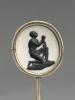
Fig 2. The Manumission of Dinah Morris
"Dinah Morris's Certificate of Freedom." 1777 wood engraving. Vermont.
This image directly reflects the first one of the series. A figure assumed to be a slave, in this image the figure is Dinah Morris, receiving their manumission from thier now former owner. This represents the power and control seen in the previous image but now with a figure physically representing it. The master does not match the slave’s height to show the ending of a conversation or to say goodbye, instead he is standing upright and looking down on Morris. This can be seen as an imitation tactic to make the slave feel as though no matter if they are free or not, they will never be an equal.
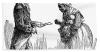
Fig 3. Thomas Jay Warren’s Richmond Virginia Statues from his Emancipation and Freedom Monument
Shivaram, Deepa. “An Emancipation Statue Debuts in Virginia Two Weeks after Robert E. Lee Was Removed.” Opb, OPB, https://www.opb.org/article/2021/09/22/an-emancipation-statue-debuts-in….
This figure gives off an almost opposite feeling than the slave figures in the first two images. The stance this man is in gives him a power which is in complete opposition to the kneeling stance the assumed slave figures are in in the other figures. The overhanging control no longer remains over him and he is viewed as truly free. This bliss feeling is not represented in the previous images as the slave figures continue to have a figure standing over them, refusing to allow them to feel as though they are truly free.
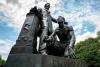
Fig. 4 The Freedmen’s Emancipation Memorial in Lincoln Park by Thomas Ball
Editor, Letters to the. “Opinion | What Symbols from the Past Say about Racism Today.” The Washington Post, WP Company, 28 June 2020, https://www.washingtonpost.com/opinions/letters-to-the-editor/what-symb….
This image depicts a figure meant to be Abraham Lincoln standing with his arm reached out over another male figure kneeling. Although this is the same position the figures were in in the Manumission of Dinah Morris this statue holds a more hopeful stance as it shows the figure standing up from the ground, not kneeling and/or begging. This statue is meant to represent Abe Lincoln declaring freedom for the slave figure in front of him due to the work he put in for the Emancipation Proclamation. Though this statue represents the figures in a more hopeful light, it still shows the power of one figure over another as to not forget the struggle and suffering slaves have been through in their fight for freedom.