
What can I do in COVE Groups?


Group members
ENGL 2620: Home, City, Empire: Space and the Construction of British Literature, 1800-Present
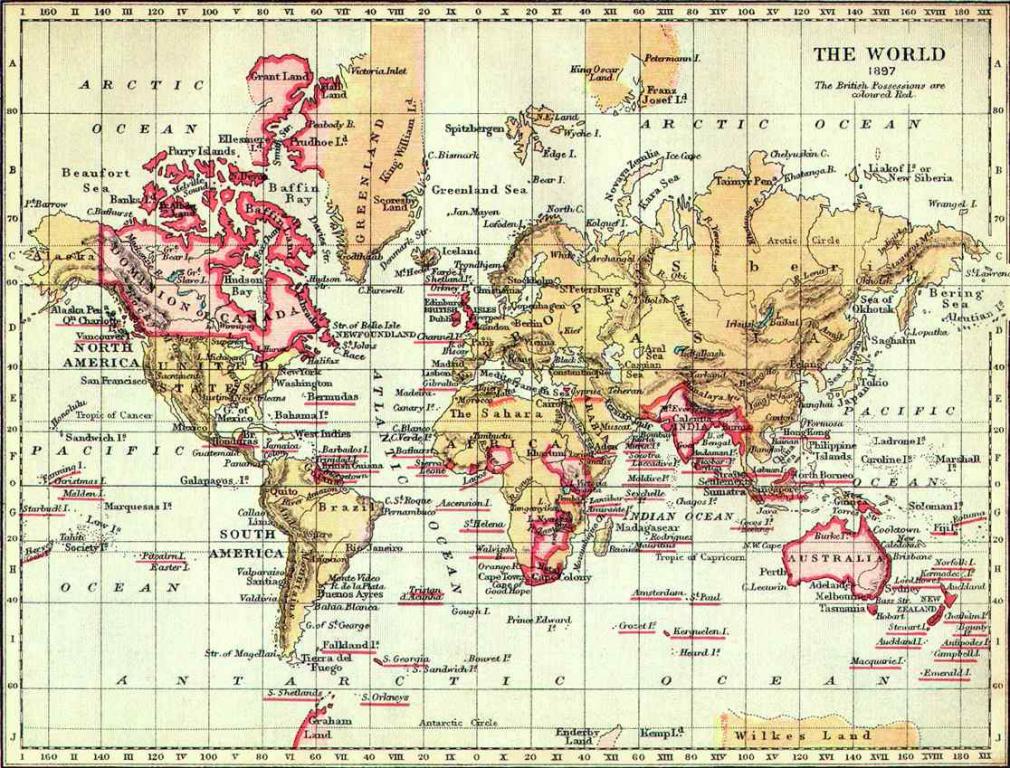
Traditionally, literary canons are delimited by national borders. But national borders are not static; nor are the people who inhabit them. As the map above demonstrates, this is especially true in regard to British history. At one point, the British empire was so large that it was colloquially known as the empire on which the sun never sets. And yet, just a few years ago the country narrowly voted to leave the European Union, in part because many felt that the influence of other European countries and influx of other European nationals threatened to overrun British culture and identity. This is in keeping with global trends: nationalism, and the significance of nationality, are on the rise despite (or perhaps because) the internet has allowed us to connect in ways previously unimaginable. These developments raise questions about how we have demarcated literary canons in the past, and how we might approach this task in the future.
This survey course will examine the history of British literature after 1800 through the lens of space and place. Focusing on three spatial contexts closely associated with British culture: the home, the city (London, in particular), and the empire, we as a class will consider how literary representations of these overlapping spatial scales contribute to shifting conceptions of British identity, as well as intersect with the construction of gender, class, and race. In short, we will explore the relationship between space, literature, and identity. More generally, we will trace the evolution of societal norms and narrative styles over a period 200+ years and investigate how various authors have responded to issues surrounding British domesticity, urbanization and its ecological impacts, and imperial expansion.
The goals of this course are manifold. It will introduce you to a selection of major authors included within the British literary canon from Romantic, Victorian, Modern, and contemporary periods. It will invite you to explore historical contexts and it will also challenge you to develop your skills in literary analysis and academic composition.