
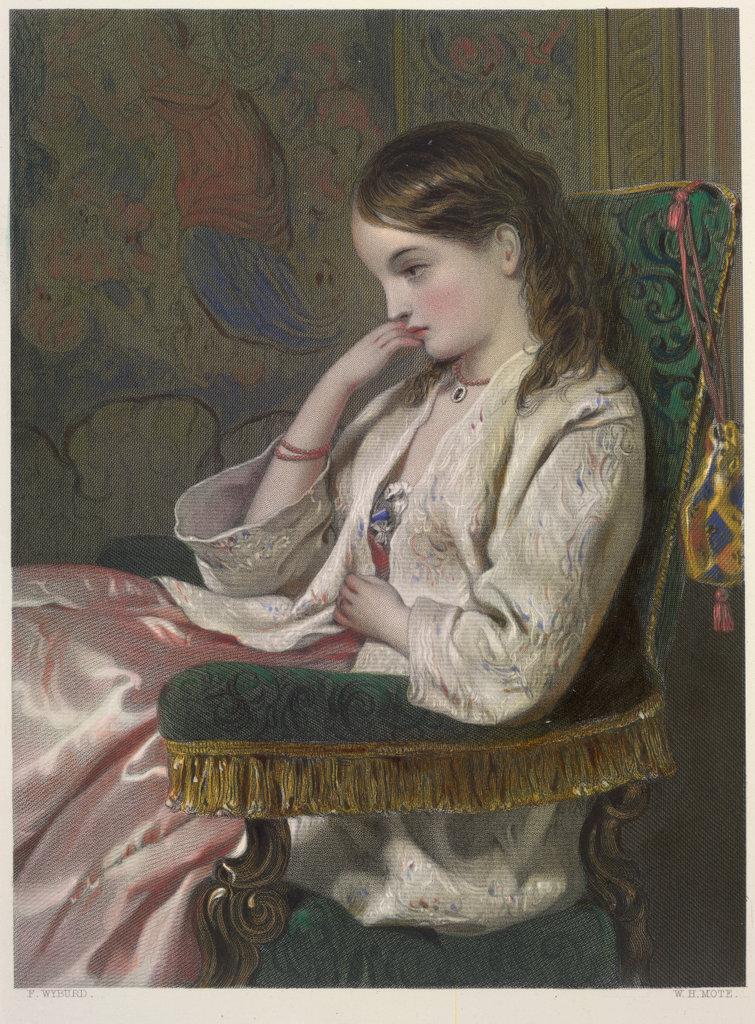
Showalter argues that men were fearful of women’s sexuality and supposed moral perversion which started a long path of wrongful treatment. At one mental hospital, eleven thousand out of eighteen thousand total patients were women. The mid-nineteenth century was the moment of history in which women became the dominant group populating mental institutions, or at least this is when it was “statistically verifiable” (52). Showalter mentions also that women were part of these institutions in non-patient roles. However, they were quickly pushed aside into more volunteer-based or caregiver roles once they were legally deemed incapable of treating the mentally ill. So, women were the main patient group, but men were the main carers.
Men’s fear was so prominent that women were medically labelled as more susceptible to insanity than men which furthers their role as the Other. Showalter says, “The prevailing view among Victorian psychiatrists was that the statistics proved what they had suspected all along: that women were more vulnerable to insanity than men because the instability of their reproductive systems interfered with their sexual, emotional, and rational control” (55). There were, of course, true cases of mental illness in women, but the term “insanity” was used so broadly that it calls to question how many of these women were actually afflicted. To demonstrate, our research shows that some women were placed in treatment for child murder while others were institutionalized simply for their productivity levels in the domestic setting. Part of treatment included surgical alteration of the female reproductive system as doctors believed the sexual organs to be connected to the brain and, thus, affected their mental state.