

Introduction
“Standing thus in repose…was Florence Nightingale– that Englishwoman whose name shall never die, but sound like music on the lips of British men until the hour of doom” (Seacole).
This quote serves to summarize the innate and problematic issues of systemic oppression as they were presented through the lives of both Florence Nightingale and Mary Seacole, famous war nurses of the 19th century.
First published in 1857, Mary Seacole’s memoir titled, The Wonderful Adventures of Mrs. Seacole in Many Lands, served to commemorate and showcase her contributions to history as she faced the realities of nursing and battle during the Crimean War from 1853 to 1856, and became face-to-face with the truths of systemic oppression. The contributions of Mary Seacole, often compared to those of Florence Nightingale, are debated in regard to her education, genuinity, and true impact on history during the 19th century. Seacole’s memoir and autobiography depicts the innate struggles of identity and representation, as they are presented throughout Seacole’s life and career.
Author Nicole Fluhr discusses Seacole’s experience in reference to the opening of Seacole’s business and issues of systemic oppression by stating, “This exchange constitutes a pointed reminder of the circumstances under which Seacole was initially denied the opportunity to go as nurse. The “necessity” that forced her to fund her own nursing by opening the British Hotel was none other than the prejudice of “one of Miss Nightingale’s companions” (100). Nicole Fluhr explores and discusses Mary Seacole’s contributions and efforts during the war and opens the conversation regarding how Seacole deserves to be represented, through history and today.
Through this gallery, the following images serve to further showcase and explore the existence of systemic oppression, through the lens of a historical context. Specifically through the depiction of art, these four images further represent the historical legacy and work of Seacole during her time. Throughout this gallery, various depictions of Mary Seacole are presented and interpreted as they further relate to her life and memoir. Included in the following four images, depictions of Mary Seacole serve to further the conversation that surrounds race, representation, and, therefore, oppression.
Work Cited
Fluhr, Nicole. “‘Their Calling Me “Mother” Was Not, I Think, Altogether Unmeaning’: Mary Seacole’s Maternal Personae.” Victorian Literature and Culture, vol. 34, no. 1, 2006, pp. 95–113, http://www.jstor.org/stable/25058738. Accessed 10 Apr. 2022.
Images in the Gallery
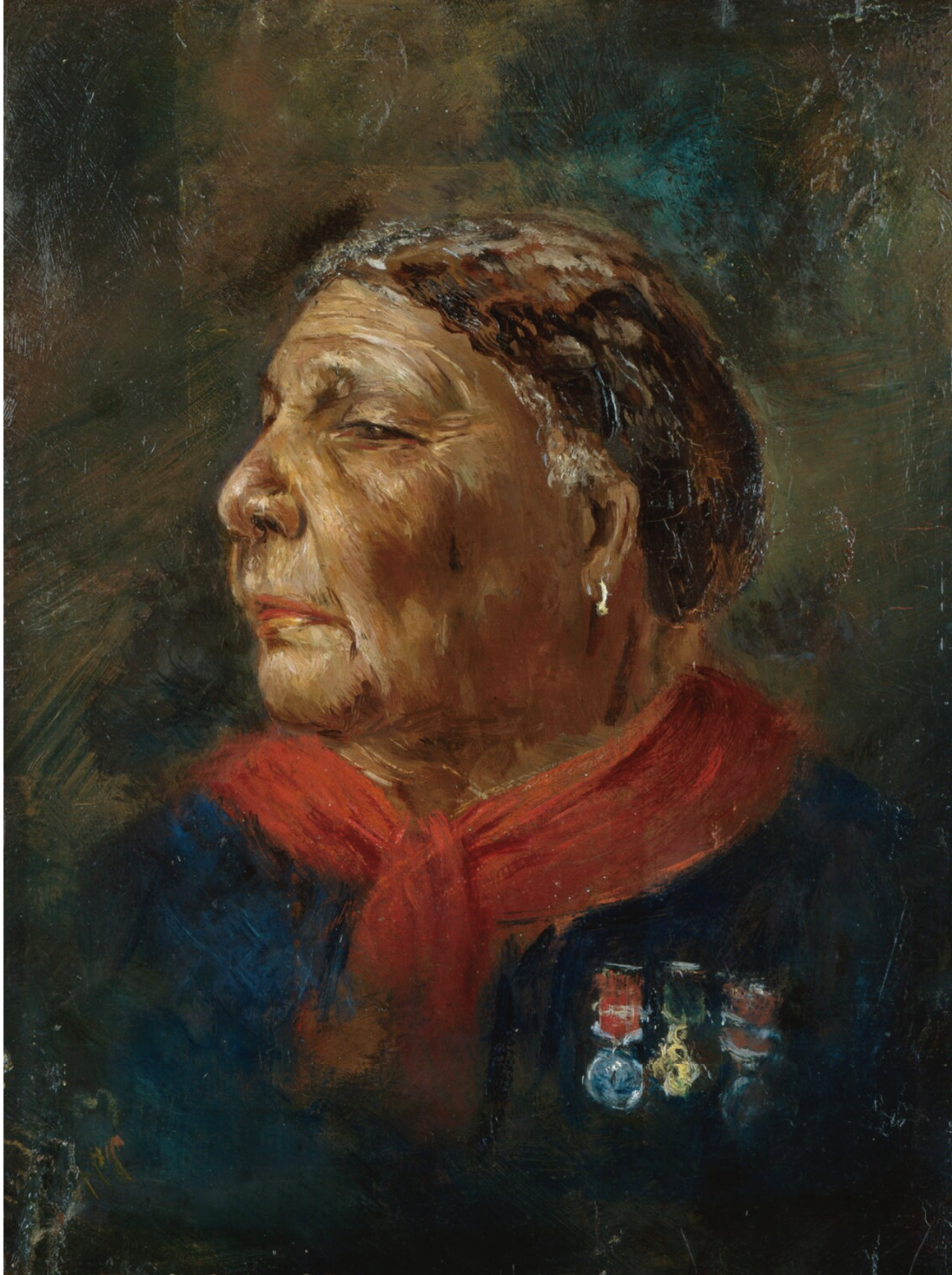
Fig. 1. “Mary Seacole.” National Portrait Gallery, https://www.npg.org.uk/learning/digital/history/mary-seacole. Accessed 10 Apr. 2022.
Marked as one of the initial depictions of Mary Seacole through art, this initial image depicts a painted portrait of Mary Seacole, dating back to 1869, which would make her about 64 years old at the time of its creation. Through this creation and depiction, this portrait of Seacole contains specific details that further depict her life and legacy. It can be said that the medals that are placed on her bust matched with her red scarf serve to further depict aspects of her life, specifically her war efforts in Crimea. The creation and illustration of this portrait serve to work against innate issues of systemic oppression by commemorating the life and efforts of Seacole; Thus, shedding light on her legacy, lifestyle, and efforts. The depiction and occurrence of this portrait begins to break barriers regarding oppression and racism, serving to give a voice and representation to those who may be left unseen, otherwise.
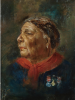
Fig. 2. Bunbury, Greg. “Mary Seacole.” Art UK, https://artuk.org/discover/artworks/mary-seacole-307658/view_as/grid/search/keyword:mary-seacole/page/1. Accessed 10 Apr. 2022.
Taking a more contemporary and modern approach to the depiction of Mary Seacole and her story, artist Greg Banbury portrays Seacole as pictured above. Banbury’s depiction is viewed as a spin-off of Andy Warhol’s traditional pop art style. This creation, part of a bigger art movement titled “Black Outdoor Art,” Bunbury created various art pieces that served to bring light to the lived realities of people of color, both through history and modern-day. As part of a bigger contemporary art movement, Banbury’s art serves to further bring awareness to and honor people and names who may otherwise be underrepresented or victims of oppression. Through this artwork, it is clear, that still today, Seacole’s legacy rings true.
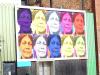
Fig. 3. “Statue: Mary Seacole Steel Statue.” London Remembers, https://www.londonremembers.com/memorials/mary-seacole-steel-statue. Accessed 10 Apr. 2022.
Consistently facing issues of oppression and injustice throughout her career, artists still strive to represent and showcase Mary Seacole and all that she was known for. Located in London, UK, this steel statue depicts a type of silhouette of Seacole that serves to reference and commemorate her efforts during the Crimean War. In a more symbolic or detailed way, this statue serves to bring a voice to Blackness, in a way, since Seacole’s race brought much controversy and question during her time. Serving as a way to shed light on Black British citizens of her time, honoring and celebrating Seacole through this statue serves as a way to bring a voice to the voiceless and steer away from furthering issues of systemic oppression. During her time, Seacole often fell victim to questions regarding her legitimacy and validity regarding her education, knowledge, and training in nursing. However, contemporary works of art strive to work against the opposition and honor Seacole’s journey. Within her memoir, Seacole states, “The struggles which it cost me to succeed in life were sometimes very trying; not have they ended yet” (Seacole). Seacole, herself, understood the struggles and difficulties she faced; However, her life and legacy was not overlooked and were honored and represented through various contemporary artists.
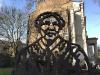
Fig. 4. Mary Seacole (1805-1881). (2022). Art UK. Retrieved April 10, 2022, from https://artuk.org/discover/artworks/mary-seacole-18051881-311537.
Executed and installed in 2016, this statue of Mary Seacole stands outside of St. Thomas’ Hospital, located in Lambeth, London. Historically, Mary Seacole was named and identified as one of the 100 Great Black Britons in 2004, which served as the inspiration for this statue and her recognition. Upon analyzing this statue, Seacole takes on a moving posture, so as to further depict her courage, strength, and perseverance through her work and history as a nurse and mother figure. Sculptor Martin Jennings makes intentional decisions regarding the portrayal and depiction of Seacole and her character, casting her statue in bronze and placing her in front of the hospital serves to further the theme of systemic oppression. Relating to both the statue and Florence Nightingale, the development and placement of this statue was met with much controversy. Oppositionists of this statue and its development questioned the validity of Seacole’s contribution, work, and reputation as it related to the Crimean War. Additionally, as Seacole had no direct connection to the hospital, as Nightingale did, the development of this statue brought to light much opposition and difficulty. Those who did not support this effort rallied for efforts to remove the statue, but to no avail. Still today, this statue stands outside of St. Thomas’ Hospital, commemorating Seacole and her legacy. Both directly and indirectly, this statue strives to fight against the belief that, “...Florence Nightingale’s…name shall never die” (Seacole).