


Introduction
The bourgeoisie, contrary to popular belief, is a French term originally meaning “upper and middle classes”; however, the word has seen some misuse as it has transcended languages, not only exclusive to English, wherein it means simply “middle class,” but other languages, as well. Therefore, in my gallery I will refer to the bourgeoisie under the original French denomination, as to remain as semantically correct as possible.
In D. H. Lawrence’s How Beastly the Bourgeois Is, we are confronted tête-à-tête by the ever-abiding conflict between the bourgeoisie and the lower class. Lawrence begins his poem with the specification of whom he is going to speak: “How beastly the bourgeois is / especially the male of the species—” (lines 1-2). He then goes on to rhetorically mock the “bourgeois man” via the use of rhetorical questions, quipping “Isn’t he handsome? Isn’t he healthy? Isn’t he a fine specimen” (line 5)? However, a poetic caesura and a contingency evince the deeper qualitative motifs of the bourgeois man. Lawrence posits, when under the burden of moral difficulty, the bourgeois man “turn[s] into a mess, either a fool or a bully” (line 17).
He then repeats his first specification and then toys with the symbolism of representing the bourgeois man as a mushroom, obviously intending to produce phallic and harrowing imaginations in the audience. He adorns the readers’ minds with his words: “Nicely groomed, like a mushroom / standing there so sleek and erect and eyeable-- / and like a fungus, living on the remains of a bygone life / sucking his life out of the dead leaves of greater life / than his own” (lines 23-27). He elucidates this indecent simile in his next stanza to exacerbate the emptiness of the bourgeois man: “And even so, he's stale, he's been there too long. / Touch him, and you'll find he's all gone inside / just like an old mushroom, all wormy inside, and hollow / under a smooth skin and an upright appearance” (lines 28-31).
Lawrence’s optimal usage of figurative speech, particularly the comparison of the bourgeois man to the mushroom, is pertinent to the content of my gallery. Many period and contemporary photographs, illustrations and more demonstrate the bourgeoisie just as did Lawrence. Many portray them with the due diligence of subservience, making them look glorious and powerful. Some illustrations, however, portray them differently. Some contemporaries portray the bourgeoisie with the same mocking abhorrence of Lawrence. This gallery examines the differing presentations of the bourgeoisie in different kinds of images: from the respectable and wealthy, to the treacherous and fungal.
Works Cited
Lawrence, D. H., "How Beastly the Bourgeois Is." COVE Studio, 1917, https://poets.org/poem/how-beastly-bourgeois
Images
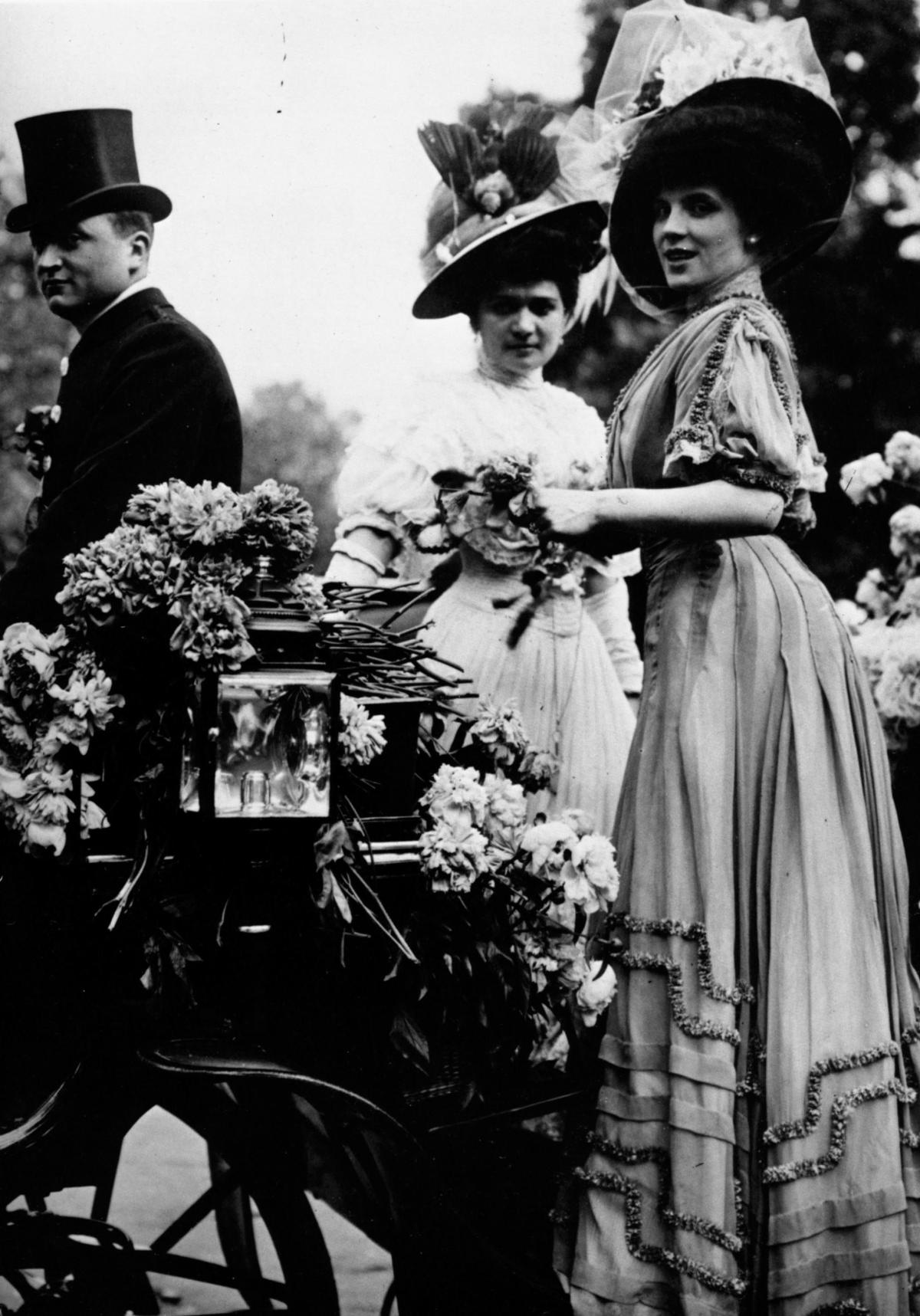
Fig. 1. Frères Séeberger. Bourgeoisie Édouardienne. France, 1910. http://anthonylukephotography.blogspot.com/2012/03/photographer-profile-seeberger-brothers.html
“Isn’t he handsome? Isn’t he healthy? Isn’t he a fine specimen” (line 5)?
The first image in this gallery is intended to set up the mocking premonition that the bourgeoisie is “handsome,” “healthy,” or a “fine specimen” (line 5). It contains the appearance of two distinguished women and one dashing gentleman. The women sport Edwardian attire, as does the man, and they are evidently bourgeois from their appearance alone. The women don contemptuous faces, and they look down upon the photographer as he photographs them. The man sits in the background with an equally laughable face. Around them, flowers, technology, and wealth exuberate from the image. This image prepares the mind of the audience in a similar way that Lawrence does in his poem. It places the bourgeoisie above the audience, and the following images in the gallery will slowly degrade them to nothing but a mushroom. This image also presents how the bourgeoisie actually looked in the Edwardian era in France. Imagine how inferior the common people felt, which constituted 80 percent of the population at this time, in their presence.
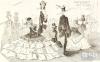
Fig. 2. Parisian bourgeoisie going on holiday to the seaside, illustration by Edouard Riou (1833-1900) from the Journal pour rire, No 197, July 7, 1855. https://www.agefotostock.com/age/en/details-photo/parisian-bourgeoisie-going-on-holiday-to-the-sea-side-illustration-by-edouard-riou-1833-1900-from-the-journal-pour-rire-no-197-july-7-1855/DAE-BA028193
“Turn[s] into a mess, either a fool or a bully” (line 17).
From the last photograph, the gallery turns to illustrations, since no photo exists negatively exhibiting the bourgeoisie as hyperbolically did Lawrence. Thus, this illustration begins to experiment with the weaknesses of the bourgeoisie. It maintains their wealth, but the people themselves appear thin and sickly. They are also drawn as incredibly meager. They do not appear to look the same as they did in reality, and the illustration is drawn to be rather cartoonish. The artist, Édouard Riou, is known for this type of material, often portraying normal things in weird, fantastical, or out of proportion ways. It is not known if the artist had direct quarrels with the lifestyle of the bourgeoisie; however, this illustration portrays them rather poorly. It also begins to spark the idea that behind the clothes, the pomp, and the wealth, the bourgeoisie are thin, weak, and scraggly people. This connects to Lawrence’s poem on the mockery of their false presentations; the pompous clothes cover feeble people.
Fig. 3. Josep Reriau, El Fascinante Rey del Petröleo [The Charming Oil Tycoon], 1977. https://www.jstor.org/stable/pdf/24570369.pdf?refreqid=excelsior%3Ae3859cdb5c52424822e20013a492325d&ab_segments=&origin=
“And even so, he's stale, he's been there too long. / Touch him, and you'll find he's all gone inside / just like an old mushroom, all wormy inside, and hollow / under a smooth skin and an upright appearance” (lines 28-31).
Keeping the motif of illustrations, we move farther in time to the seventies. Computer-generated imagery is a brand-new method of artistic expression. Nearly at the end of the Vietnam war, Josep Renau paints the bourgeois man as an empty bank vault, the common people reaching helplessly for the contents inside, not knowing there is nothing. The head of the man is made of gears, and a heart of machinery fills the man’s chest. What is most important with the understanding of this image is how the perception of the bourgeoisie has changed over time. First, they were pompous elites, then they were drawn with elaborate clothes, but now, in the seventies, the corporate man takes over the bourgeois imagery. Machinery, computing, and corruption are running rampant, which inspired the artist to create this excellent piece. This piece connects to Lawrence’s poem as both Lawrence and Josep paint the bourgeois man as empty. This is the last illustration where the bourgeoisie is somewhat recognizable.
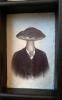
Fig. 4. Jana Paleckova, Mushroom Family Tree, 2021. https://www.thisiscolossal.com/wp-content/uploads/2021/03/paleckova-1-scaled.jpg

“Nicely groomed, like a mushroom / standing there so sleek and erect and eyeable-- / and like a fungus, living on the remains of a bygone life / sucking his life out of the dead leaves of greater life / than his own” (lines 23-27).
This final most recent piece of art finally embodies the ideas portrayed by Lawrence in physical form. The artist, Jana Paleckova, creates many similar pieces of art. She does this by painting old photos with realistic looking additions, like changing heads to mushrooms or adding eyestalks to specific people. This is the final form of the bourgeois man, exactly as Lawrence described. The suit does well to add to the wealth of the individual, and the contemporary nature of the piece connects the issue of the conflict between the lower and upper classes from Lawrence’s time to today. It is truly abhorrent that we still exist in a time, throughout the globe, where wealth inequality runs rampant. In fact, it is even worse today than it was in Lawrence’s time. Hopefully, more work like Paleckova’s is done to portray the issue of wealth inequality to the masses, and hopefully, the 99% will no longer be so hideously extorted by the elites of our time.