
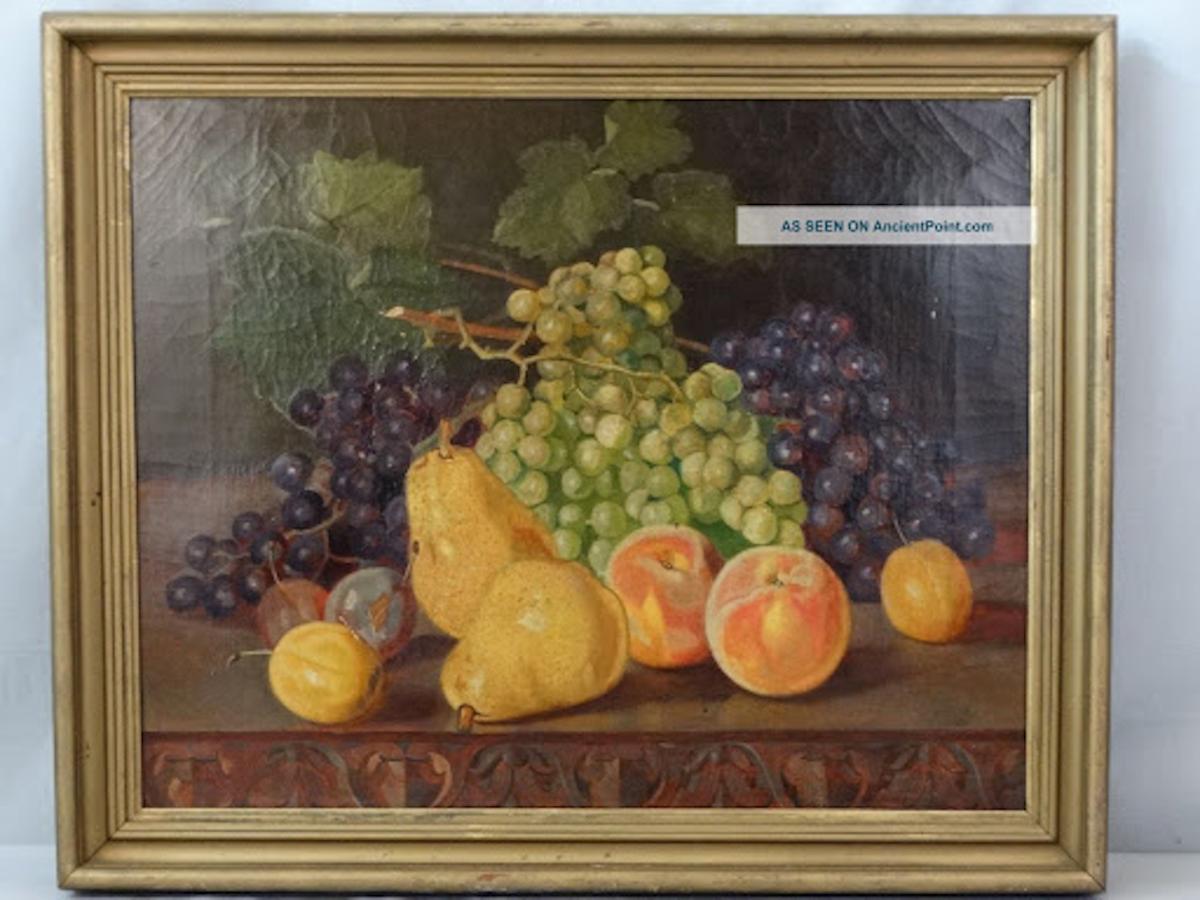
My second item is the thing I was tempted by the most. I was seduced by any type of fruit and couldn't stop thinking about it. I got this painting from an old lady in a shop in 1855, she had painted it with great detail and was very proud of her work. I decided to buy it because it was a great reminder of an important time in my life. The fruit painting reminded me of how I tried to reject the fruit, but because my sister needed it, I gave into temptation and got the fruit. I was then assaulted by the goblins and tried my hardest to not let them take advantage, but they forced me. My sister was going to die without the fruit, so I had to get it for her and I gave into temptation. This gesture was seen as giving into our sexual temptation and betraying our husbands. The Victorian era was a time where women, like myself, had the role of marrying a man and taking care of the household for the family, being faithful and setting a great example for society. The fruit represents my sexual unfaithfulness and potentially ruining my reputation in society. The painting reminds of my experience with my sister and the goblins. It is a great reminder that I can be strong against temptation but the love for my sister and family will always be my priority. I look forward to seeing this painting every day as a reminder of many things that are important to me.
Editorial commentary: I chose the fruit painting because it represents the struggle that Lizzie went through for her sister, Laura. The painting is very colorful, it entices the viewer, with rich colors of purple, orange, green and yellow. Naturally, one would want to bite into the fruit and all its richness. The deep background also adds to the temptation, one can imagine the fruit sitting in a beautiful setting. In the same sense, Lizzie was tempted by the goblin merchants and the fruit, she relented for her sister. She struggled a great deal because she was risking her reputation, which was everything to her during this time. The social norm was to resist temptation and save yourself for your future husband, Lizzie definitely struggled with this decision. If you gave in, your reputation was ruined and that could mean the end of your career in society. The fruit was very symbolic. Lizzie chose the fruit to save her sister, and the goblins forced it on her. Lizzie lives to tell the story of the goblin’s fruit and, most importantly, the power of sisterly love. In the future, I envision this painting hanging on the wall in their home as a reminder to the sisters and their children. It is a symbol that you always stand up for those you love. Lizzie starts to question her sexuality because of the temptation that the goblins give and she was able to not give in until she had to save her sister and was forced to give in.
Citation-
(n.d.). Retrieved December 01, 2020, from http://ancientpoint.com/inf/153258-19thc_antique_victorian_era_still_life_pears_grapes_peaches_fruit_oil_painting.html