The nineteenth century is often considered the Golden Age of children's literature, with a tremendous growth in stories written for and about children (Henderson and Sharpe, 1819).
Building off the Romantic view of the children as a source of innocence and imagination the Victorians incorporated child protagonists into texts written with a child audience in mind (Henderson and Sharpe, 1819). Children's literature in this period provided adult authors with a way to make sense of their difficult upbringings (Henderson and Sharpe, 1819), while also exploring and contextualizing ongoing debates surrounding the meaning and nature of childhood.
The philosophies of John Locke (1632-1704) ushered in a view of the child as a blank slate – a tabula rasa – born free of the “possibility of innate ideas” (Lerer 105). Locke's epistemology leads to questions about the importance of education and early childhood experiences, as the child is transformed into a product of his or her education, extending his view of education to the sensible experience (Lerer 104).
The work of French philosopher Jean-Jacque Rousseau (1712-1778) also influenced ideas surrounding the instinctive innocence of the child, by viewing children – with their inborn instincts and innate predispositions – as a spiritual touchstone for adults (Henderson and Sharpe, 1819).
Despite the romanticizing of childhood, child labour was still a regular part of life throughout the nineteenth century. Many children between the ages of five and fourteen worked 12-hour days in factories, mines, and in the streets (Henderson and Sharpe, 1821-1822). By the middle part of the nineteenth century, child labour began to decline - in part as a response to the growing body of laws aiming to protect children from exploitation, spurred by debates surrounding the Industrial Revolution (Henderson and Sharpe, 1822).
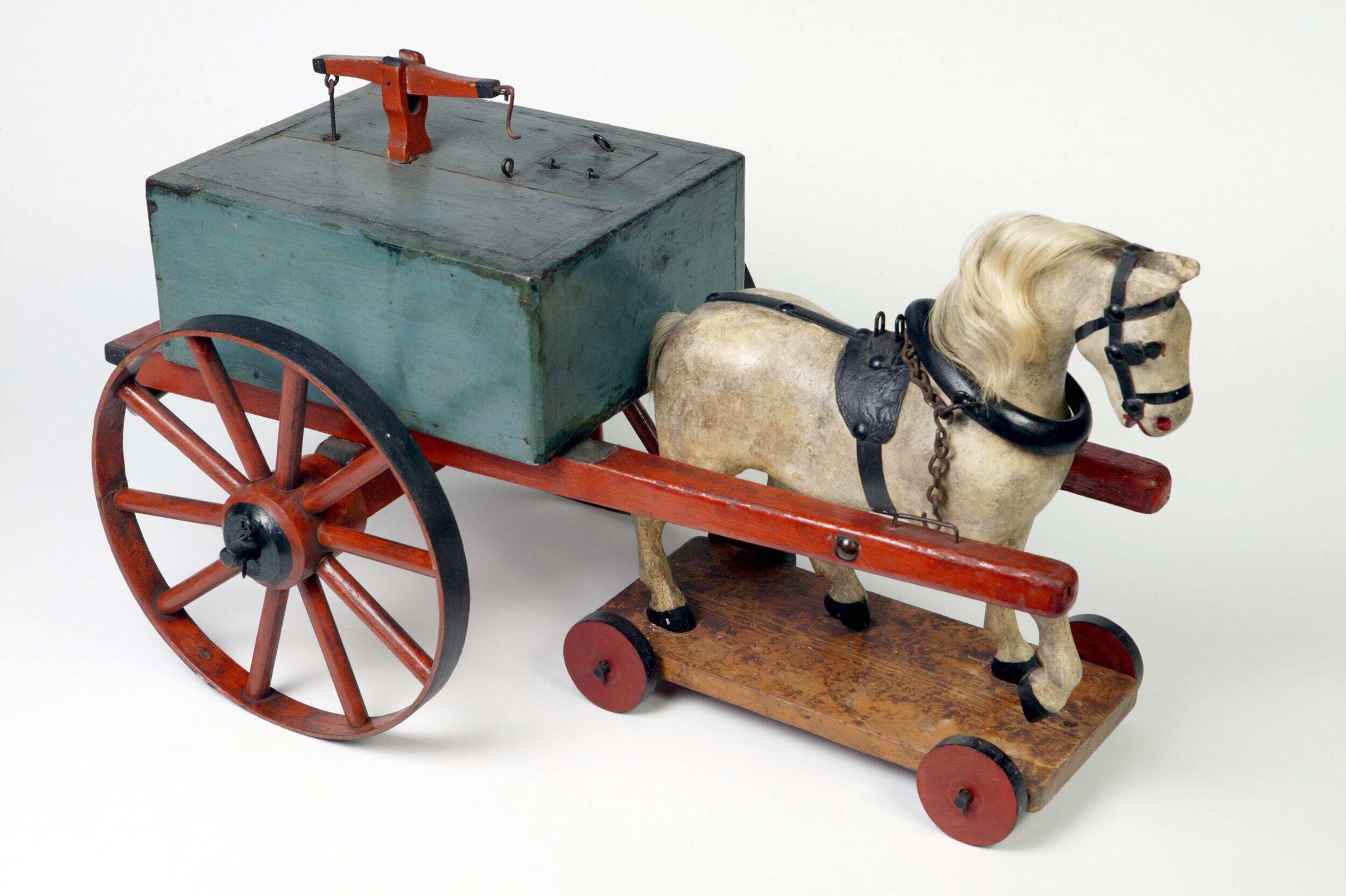
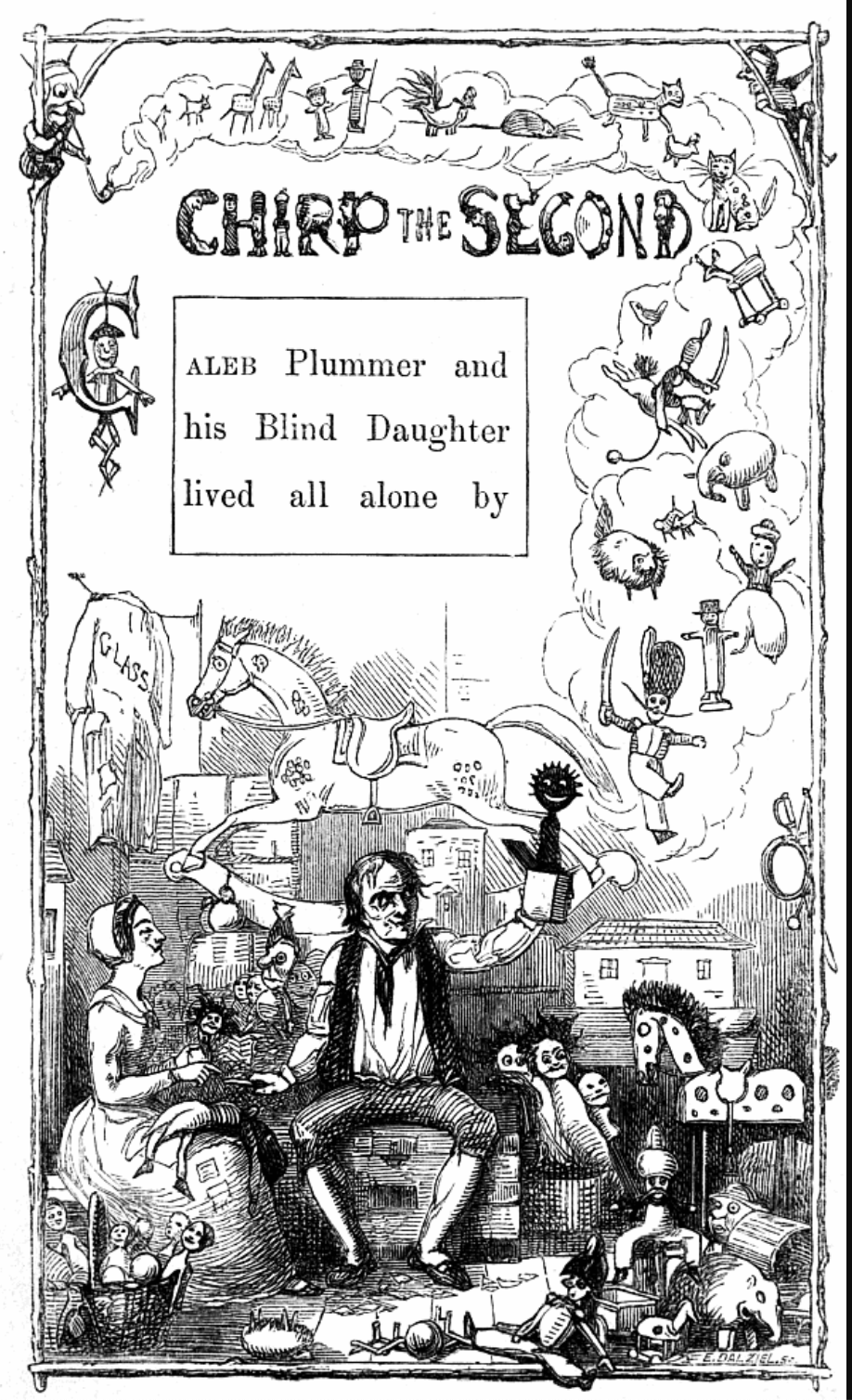
The vast disparity in the lived experiences and literary representations of children in the Victorian period provides a broad view of childhood and the role of the child in this period. Exploring how children play, what children play with, and how children and adults quantify growing up, can tell us a lot about the shifting notions of childhood. These questions also lead to an exploration of the role and significance of non-normative children and how they were discussed, conceptualized, and treated in the Victorian period.
Sources:
Henderson, Heather, and William Sharpe, editors. The Longman Anthology of British Literature: The Victorian Age. 3rd ed., vol. 2B, Pearson Longman, 2006, pp. 1819-1824).