
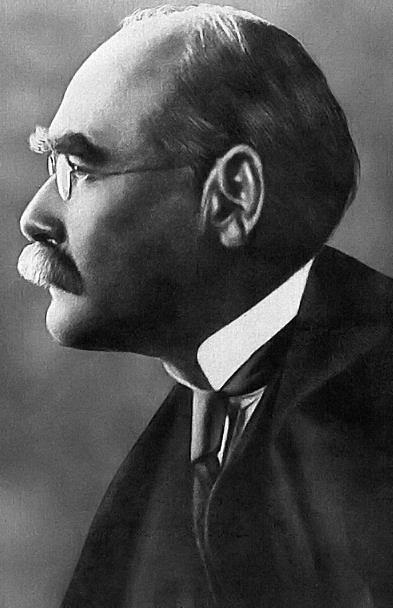
On July 12, 1890, the Pioneer published Rudyard Kipling's "The Mark of the Beast." In India, an Englishman, Fleete, is cursed by the bite of a leper priest after he desecrates a Hindu temple. The short story describes his transformation from a man into a wolf-like creature. Kipling's text diverts from some familiar conventions of nineteenth-century werewolf fiction. Clemence Housman's The Were-Wolf and other werewolf stories often focused on werewolves as predatory villains, and usually had this threat occur in a village or town. In this story, Fleete does not kill anyone, nor is he killed at the end. Instead, he is presented as a victim that his colleagues must save (Du Coudray, The Curse of the Werewolf; Kipling, "The Mark of the Beast").