
Journal Entry - Mrs. Kitty Warren
September 27, 1885
Today has been a real whirlwind out in the garden. Vivie, my daughter, had quite the conversation with Mr. Praed about life. She's all about the practical stuff, like math, while he is more into the artsy side. I can't blame her, not everyone is into art shows and concerts.Then, out of the blue, Sir George Crofts and I showed up. Vivie darted into the cottage, leaving me with Praed. He thinks Vivie's all grown up now and should be treated with respect. Little does he know the mess of secrets I'm holding onto. Frank, Reverend Gardner's son, then starts talking about his crush on Vivie. Fast forward a couple hours, we are all shoved into the cottage, and Frank tries to make a move on me. I shut it down quickly, and said it was more of a "motherly" kiss. Morning comes, and we're at the minister's home. Reverend Gardner's dealing with the aftermath of a wild night. Crofts starts talking about my not-so-respectable profession, and Vivie is hit with the truth about her roots, and the tension is tangible… Speaking of truth, a good drink would have been quite nice right then. I was then shut down by Crofts who shoved a news article in my face about a prostitution event and he exclaimed, "Oh Mrs. Warren, why don't you return to the profession you were always meant to do? They could really use you out there." After hearing this I felt completely shot down, and almost considered going back after the level of disrespect I was given. Now, We're in the hustle and bustle of Fraser and Warren's London office. Frank's trying to figure out where he stands with Vivie, Praed says his goodbyes, and I'm here, realizing my past choices are catching up. Maybe a sip or two of something strong would make the chaos a bit more bearable. It's a wild ride, this mother-daughter thing.
Editorial Commentary
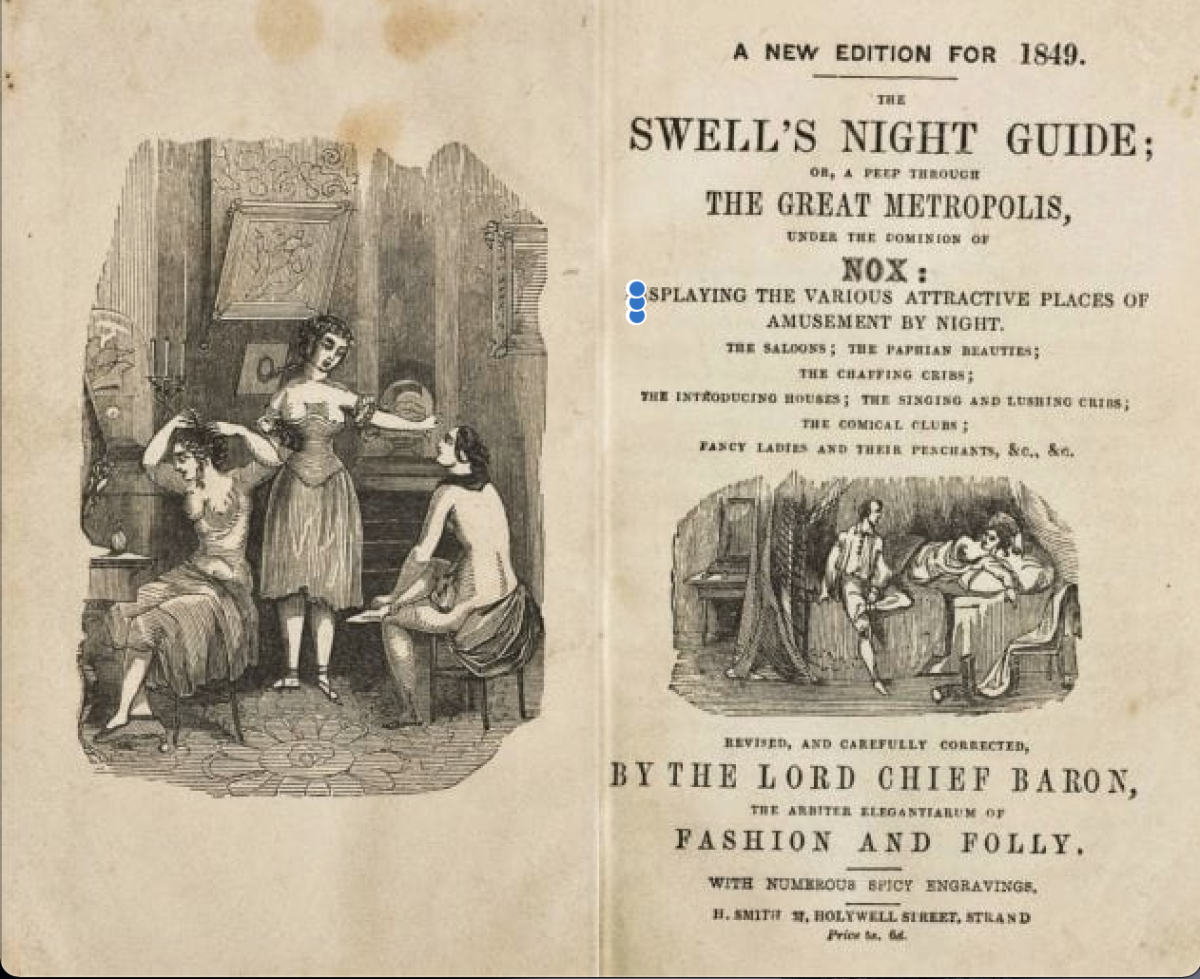
This journal entry provides a inflicting insight into the challenging life of Mrs. Warren during the Victorian era, an age where women who engaged in the oldest profession faced not only financial troubles but also endured severe moral judgment. The societal scene, heavily influenced by religious and cultural norms portrayed women like Mrs. Warren as if they had committed dreadful sins, illuminated by Sir George Crofts' degrading remarks about her past profession.In the Victorian age, society's disapproving gaze continued a lingering shame, just like an unpleasant odor, that clung to women even if, like Kitty, they managed to distance themselves from their previous lives. (Walkowitz 137). The stigma attached to their past choices created a disturbing barrier, causing the rebuilding of one's life an inconvenient task. The moral judgments and societal norms of the time not only chained these women financially but also imposed impossible bumps on their path to reclaiming a sense of a normal life.( Walkowitz 160) Mrs. Warren's narrative serves as a bitter reminder of the extensive struggles faced by women in the oldest profession during the Victorian era. The widespread societal prejudices and moral criticism created an extensive and enduring impact on their lives, shaping their destinies in ways that extended far beyond the limits of financial survival. In navigating a society that harshly judged and condemned them, these women struggled not only with financial risk but also with the deeply integrated unfairness that echoed through every aspect of their existence. (Walkowitz 2, 93)
Works Cited
Walkowitz, Judith R. Prostitution and Victorian Society: Women, Class, and the State. Cambridge University Press, 1980.
Walkowitz, Judith R. "Regulating Prostitution: Women, the State, and the Disease of Venery in England during the Nineteenth Century." Journal of British Studies, vol. 21, no. 1, 1982.