
Mrs. Warren's Commentary
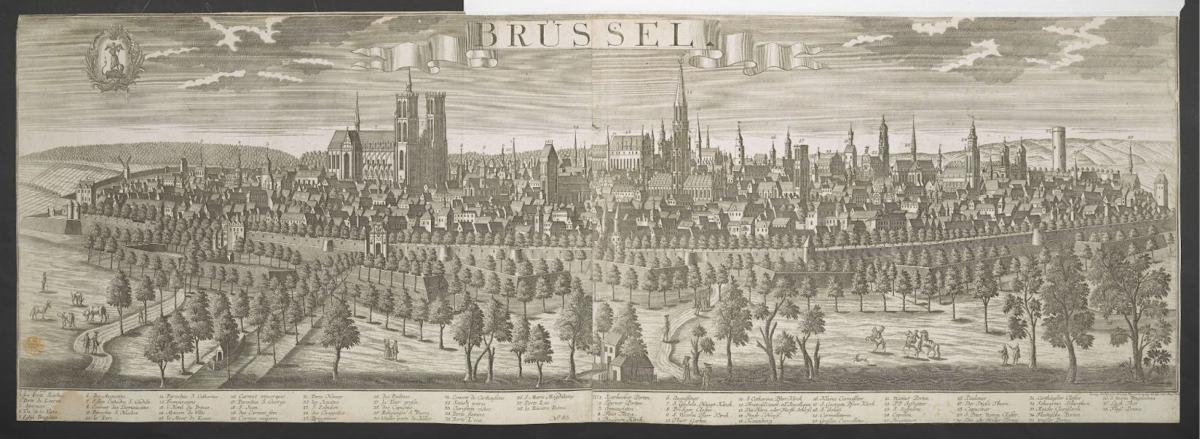
Oh, Brussels. I have found this picture to remind me of such wonders I have achieved in this place. This place means so much to me and the life I have been able to make. Why should I have not done it? There should be no judgment for this business. Vivie should appreciate me and this life. How thankful I am for Liz, my dear sister, and her gracious offer to me. The ability to save money has allowed the superiority of my life. Liz as a business partner has achieved a high level of management. I see so much of Liz in Vivie. The drive and ambition present in both show such great qualities of a woman. I hope Vivie knows I am proud of her. Why would I not be? Is she hateful towards me for my work in Brussels? I agreed to the offer from Liz to not only just create an opportunity for myself, but also to create a better opportunity for the girls. From growing up in the business, I rightfully know how girls can be treated because I was one. No one experienced what I did in that factory or at that bar. Brussels place is high class. No girls ought to feel like servants. I would not have chosen this business if it wasn’t for the appearance and abilities that I have been blessed with. No sense in not taking advantage of something that is natural to me. Wouldn’t everyone agree with me?
Editorial Commentary
In the 1880s, Brussels, Belgium was a popular place for a brothel business to be started (Chaumont, 2011). This is the business Mrs. Warren is describing. She was a 19th century business partner to her sister Liz. It is described how she was granted the opportunity to start up a higher class brothel in Brussels. During this time period, Brussels was being called the “headquarters of an abominable moral scandal” and in the court system it was known as the “white slave trade” (Chaumont, 2011). Mrs. Warren described how she was creating a better place for the girls in her business. From research, I do not believe that this statement is the valid. Chaumont states, “the police were thus authorised to judge and imprison prostitutes without the slightest intervention on behalf of the judiciary” (2011). Women were treated unfairly in multiple ways. They were being used to create business, sold for money, and imprisoned as a result of this business. Many of the women were also under the age of 21 (Chaumont, 2011). In Brussels, the business was declining in the 1860s, so as a result, many illegal brothels were introduced (Chaumont, 2011). The owners of illegal brothels would answer critics by saying, “what does it matter if she does her miserable work in the streets or in the lounges of a brothel?” (Chaumont, 2011). Brothel owners had one goal: to make money (Chaumont, 2011). No regulation or law would stop them, and as a consequence, women were greatly mistreated in Brussels, Belgium (Chaumont, 2011).
Chaumont, J.-M. (2011). The white slave trade affair (1880-1881) : a scandal specific to Brussels? Brussels Studies, 46. https://doi.org/10.4000/brussels.838
Probst, G., Werner, Friedrich Bernhard, , artist, & George III, King of Great Britain, , former owner. (1750). BRÜSSEL. / F. B. Werner Delin.