
British Literature and Human Rights Kennedy Williams
Created by Kennedy Williams on Wed, 12/10/2025 - 15:18
Part of Group:
My timeline will present events that connect to the wrting of British Literature authors who advocated for human rights. The events on the timeline aim to prove the importance of the writing the authors produced by placing events in time that happened in direct relevance to the authors' work, as they voiced their opinions surrounding the same human rights issues that appear in these events.
Timeline
Chronological table
| Date | Event | Created by | Associated Places | |
|---|---|---|---|---|
| 1789 |
The French Revolution's Declaration of the Rights of Man and of the Citizen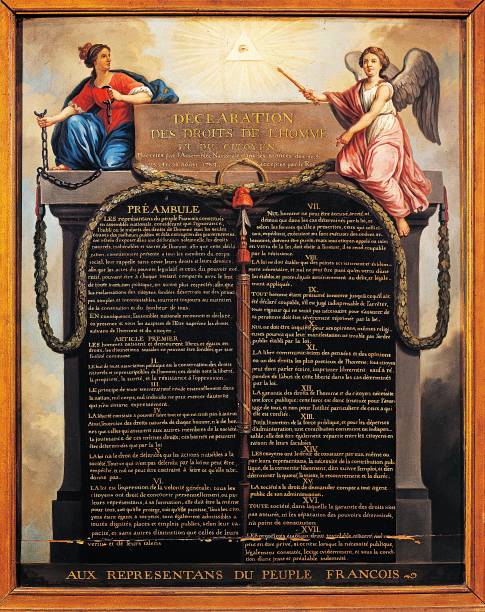 The Declaration of the Rights of Man and of the Citizen Elysee, the official webstie of the President of France, states that the Declaration of the Rights of Man and of the Citizen is a document that outlines the rights of all citizens, highlighting liberty, equality, and fraternity. The Declaration was inspired by America's Declaration of Independence of 1776 and by the spirit of the Enlightenment. The Declaration also marked the beginning of a new political era for the French, being adopted by France in the midst of the debate over the French Revolution. This was a big mark regarding human rights as it defined the era's conception of human rights.
Photo: The Declaration of the Rights of Man and of the Citizen Event: The Declaration of the Rights of Man and of the Citizen | Élysée |
Kennedy Williams | ||
| 1807 |
Abolition of the Slave Trade Act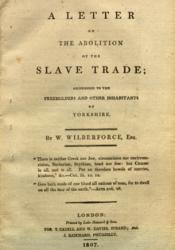 1807 Abolition of the Slave Trade Act Richard Sheposh, and EBSCO researcher, states that the 1807 Abolition of the Slave Trade Act in the British Empire was a law passed by the British Parliament that ended the transportation of enslaved individuals within British territories. This came after advocacy from abolitionists. Before this, Britain had been a leading nation in the transatlantic slave trade, with millions of Africans forcibly transported under horrific conditions. The 1807 Act was a major legislative victory for the abolitionist movement and for human rights as a whole that many writers of British Literature supported. |
Kennedy Williams | ||
| 1830 to 1844 |
The Factory Acts of the 1830s and 1840s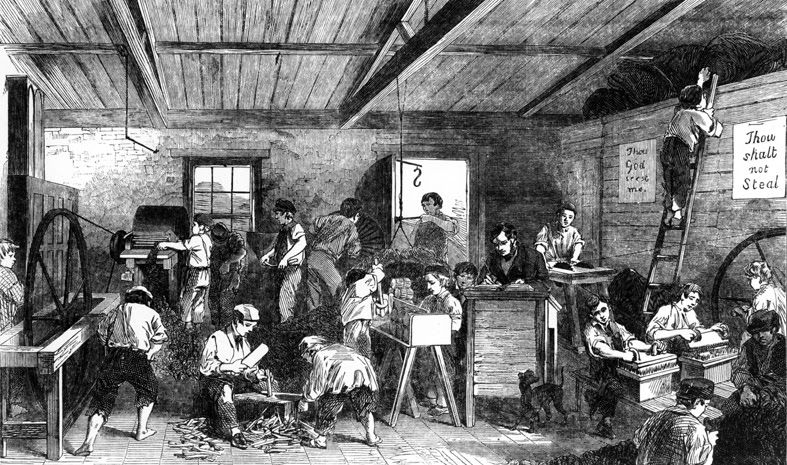 Victorian Era Factories According to UK Parliament's website, the Factory Acts of the 1830s and 1840s focused on improving safety and reducing working hours. These acts also expanded their coverage, applying to factories that employed 50 or more individuals. These acts also raised the mimum age of employees, to prevent child labor. These laws were crucial for improving working conditions and strengthening enforcement through the factory system, ensuring women and children were treated equally and were working under the protection of their human rights.
Event: Later factory legislation - UK Parliament Photo: Victorian Era Factories |
Kennedy Williams | ||
| 1842 |
The Mines and Collieries Act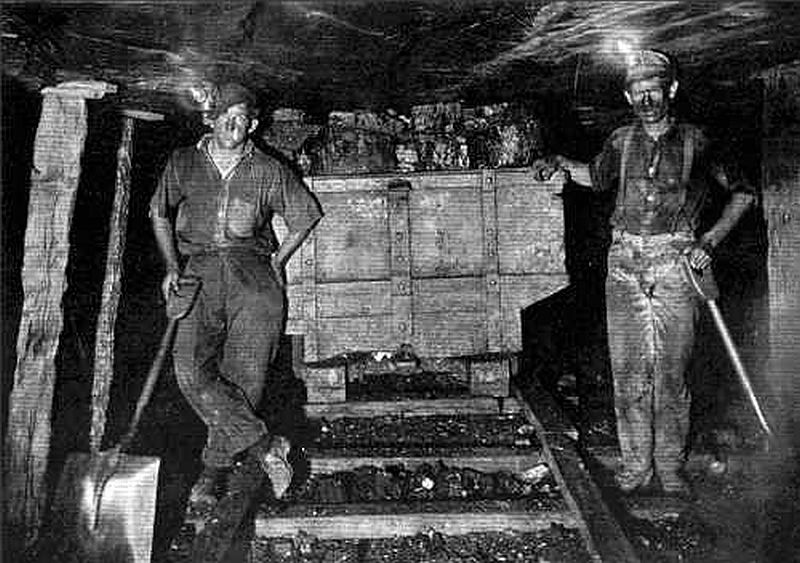 Victorian Mining Accodring to Engole, the Mines and Collieries Act of 1842 was passed in response to the working conditions experienced by children. It prohibited all females and boys under ten years of age from working underground in coal mines. This followed many deadly explosions that has occured while children were working in the mines, and as more and more individuals began working in the mines. This act was a major victory for human rights, as it acknowledged the state's resposnsibility to protect children from exploitation. Photo: Victorian Mining |
Kennedy Williams | ||
| 1915 to 1918 |
Chemical Warfare Use, World War I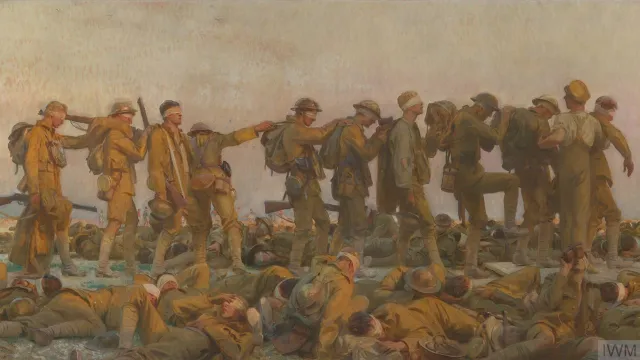 Gassed During World War I According to American Public Health Association, the deployment of new war gases like chlorine, phosgene, and mustard gas during World War I created a public health threat, affecting both soldiers on the battlefield and chemical workers on the home front. Chemical warefare resulted in 1.3 million casualties and significant psychological damages. Focused on winning the war with new access to chemcicals that may very well help in doing so, the basic human right to safety and life for soldiers was ignored. Photo: How Gas Became A Terror Weapon In The First World War | IWM Event: Chemical Warfare and Medical Response During World War I | AJPH | Vol. 98 Issue 4
|
Kennedy Williams | ||
| 2017 |
The Windrush Scandal The Windrush Scandal Protests According to The Joint Council for the Welfare of Immigrants, the Windrush Scandal surfaced in 2017 after it was discovered that thousands of legal residents, known as the Windrush Generation who arrived in the UK from the Caribbean, between 1948 and 1973 were wrongly classified as undocumented immigrants by the Home Office. Due to a lack of formal documentation and the government's 2012 "Hostile Environment" policies, these individuals were subsequently denied access to employment, housing, healthcare, and welfare, leading to detentions, deportations, and immense personal hardship, despite having the legal right to live in the UK. The scandal continues as individuals are still seeking justice after in 2023 the Home Office failed to fulfill its promises in righting their wrongs to citizens. Photo: The Windrush Scandal Protests Event: Windrush Scandal Explained - Joint Council for the Welfare of Immigrants Photo |
Kennedy Williams |