
What can I do in COVE Groups?


Group members
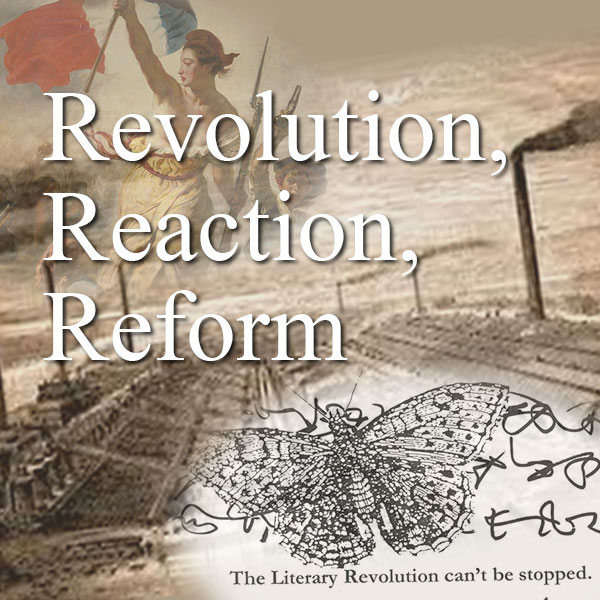 British Literature II: Revolution, Reaction, Reform examines British literature from the late eighteenth century to the present, a period that witnessed the American and French Revolutions, slave revolts such as the Haitian Revolution, a “revolution in female manners,” the Industrial Revolution, the twentieth-century revolutionary wave in Europe, as well as World War I and World War II, and, of course, artistic revolutions. We will consider how the authors and literary works of this period might be reacting to change, advocating for reform, or participating in literary revolutions—whether revolution is understood in the sense of “revolving” or of “revolting,” going full circle to return to a previous (more perfect?) time or experiencing/effecting a great alteration or rupture.
Access the works for annotations assignments in COVE Studio here: ENG 272, Fall 2025
The digital edition of Frankenstein for annotations and the map project can be found here: Mary Shelley, Frankenstein (1818)