
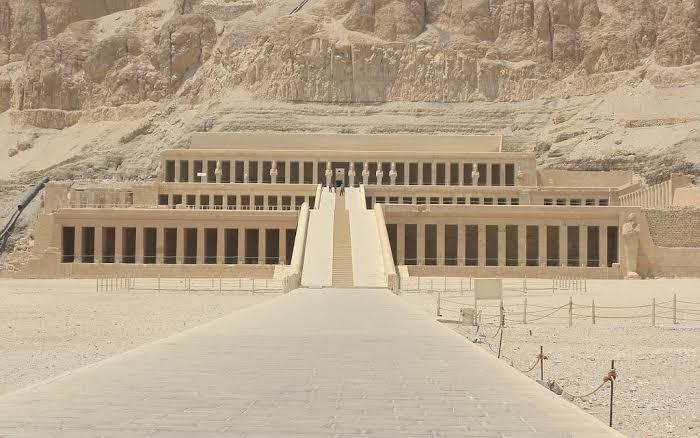
The Temple of Hatshepsut
The Temple of Hatshepsut is a grand terraced mortuary temple at Deir el-Bahari near Luxor, built for Egypt’s female pharaoh and famous for its dramatic setting against the cliffs. It is known for its colonnades, ramps, and reliefs showing Hatshepsut’s reign and expedition to Punt.
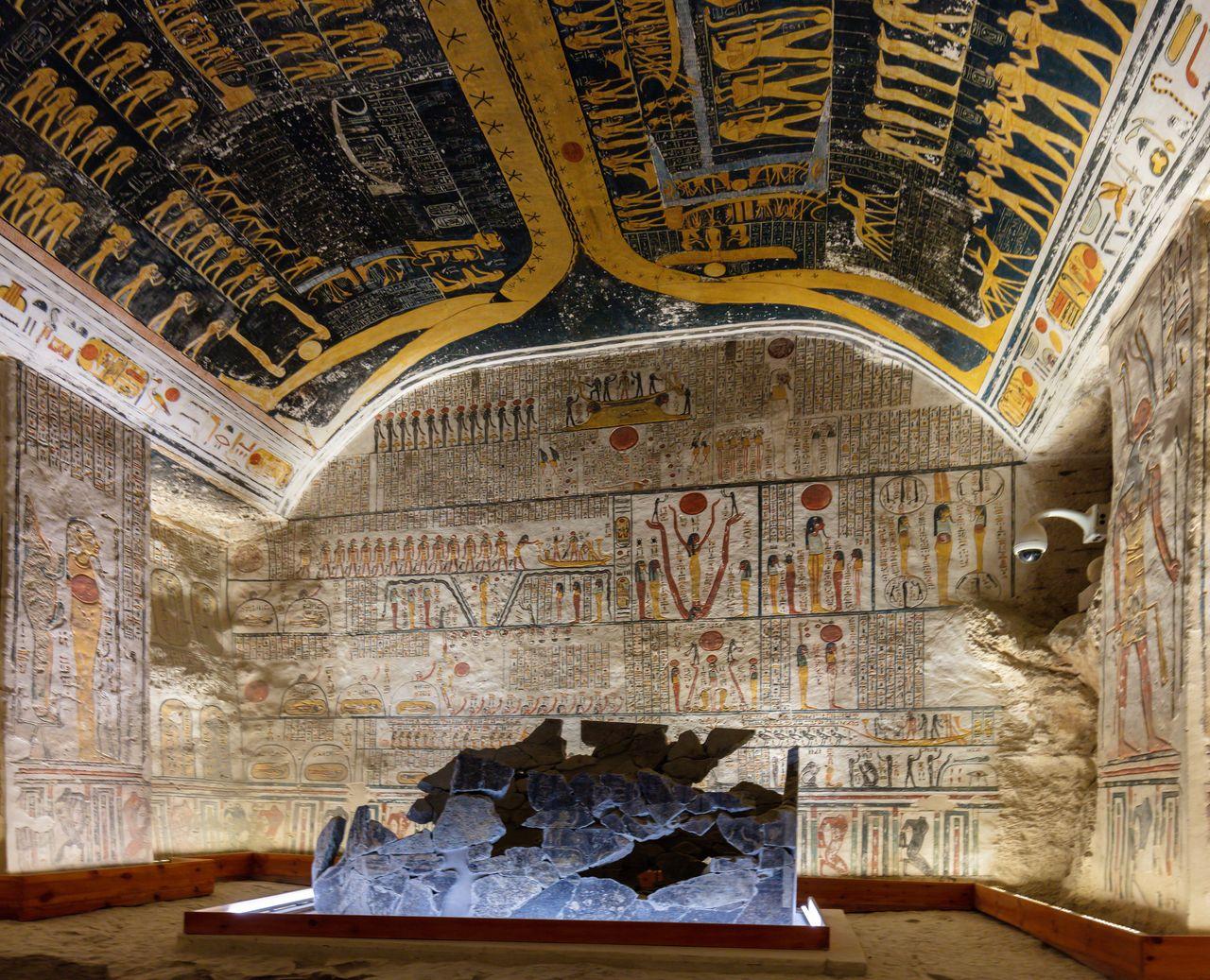
The Valley of the Kings
The Valley of the Kings is a famous ancient Egyptian burial ground near Luxor, where many pharaohs of the New Kingdom were buried in hidden rock-cut tombs. It is best known for its rich history, decorated tombs, and the discovery of Tutankhamun’s tomb.
Colossi of Memnon
The Colossi of Memnon are two giant seated statues of Pharaoh Amenhotep III on the west bank of Luxor. They once guarded the entrance to his mortuary temple and became famous in antiquity for the mysterious dawn “singing” sound from one of the statues.
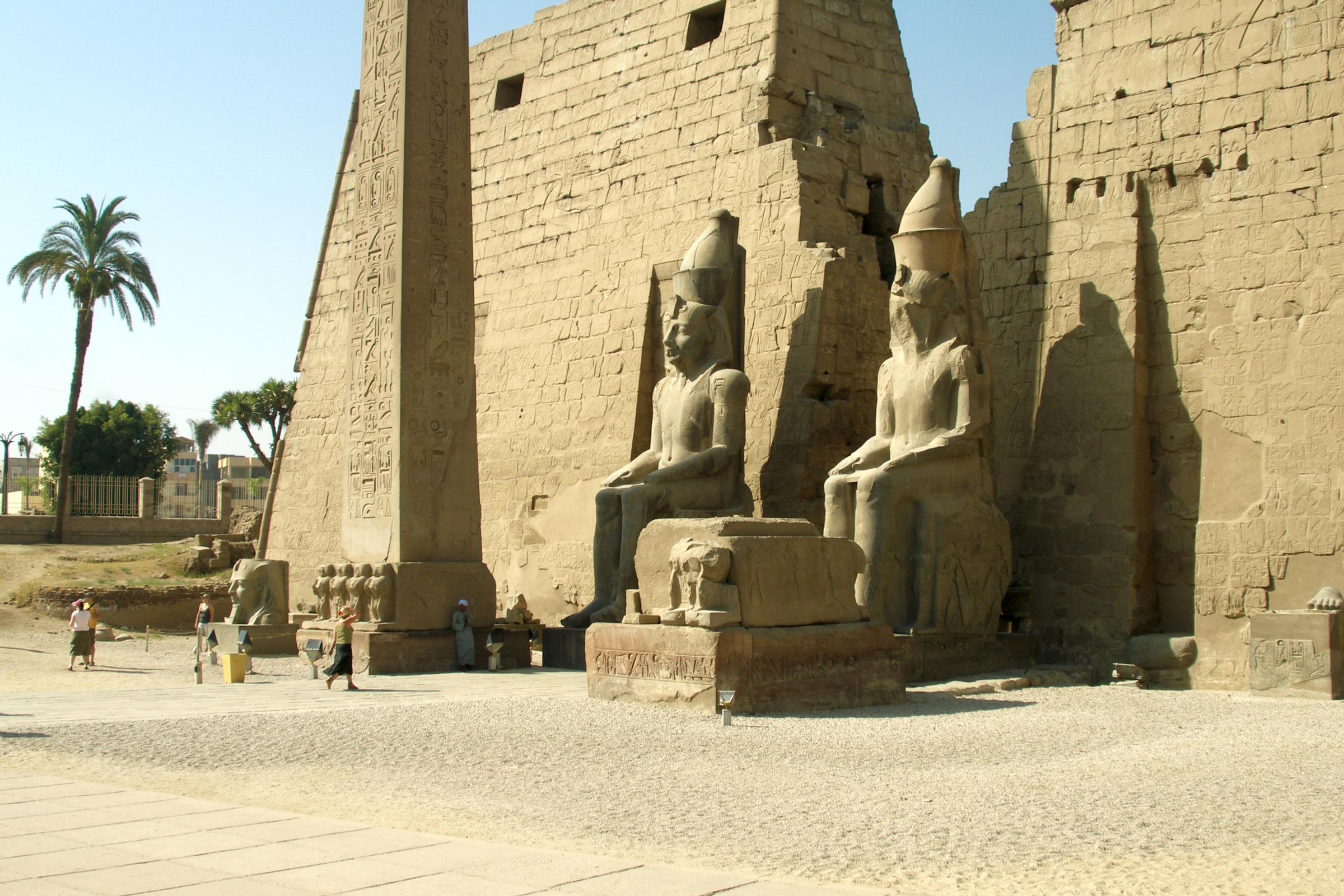
Luxor Temple
Luxor Temple is a grand ancient Egyptian temple on the east bank of the Nile in Luxor, built mainly by Amenhotep III and later expanded by other pharaohs. It is famous for its colossal statues, towering columns, and long history tied to royal rituals and the Opet Festival.
Excerpt from Oscar Wilde's "The Decay of Lying"
VIVIAN. Certainly.
The Monitor (Omaha, Nebraska)
The Monitor published two articles on May 13, 1927, that referred to the chronology of events related to the John Carter lynching. The first article, "Common Danger, But--" very briefly refers to the "suffering of Negroes in the flood districts of the South"; the reference to "suffering" is an allusion to the lynching and race riot in Little Rock. The information about the "the flood districts" further implies a reference to Arkansas, as the impetus for Floella's disappearance came from the rising floodwaters from the Arkansas River.