
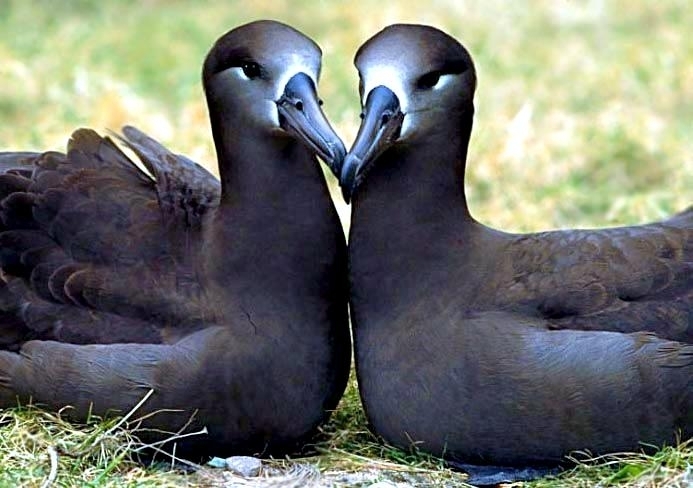
George Shelvocke’s A Voyage Round the World by Way of the Great South Sea (1726) is a firsthand account of his four-year privateering expedition during the War of the Spanish Succession, chronicling his journey around South America, through the pacific, and home again. His story describes shipwrecks, storms, fights with Spanish ships, and crew conflicts. The narrative emphasizes the hardships and dangers of long sea voyages and describes the popular event where a sailor shoots a black albatross during a storm. This event inspired Coleridge’s Rime of the Ancient Mariner (1817).
According to Junctures.org, the historical inspiration for the Coleridge’s The Rime of the Ancient Mariner (1817) came from the tales of George Shelvocke’s A Voyage Around the World By Way of the Great South Sea (1726) (Luke Strongman, 2008). Coleridge drew on account from the real maritime exploration—especially stories of voyages to the Antarctic, dangerous storms, and saliors superstitions, including the belief that killing an albatross brings terrible luck. These narratives, combined with Coleridge’s interest in old folk ballads, gave the poem its archaic style and mystical atmosphere. Coleridge’s work partly explores themes that personally preoccupy him in his other works (such as guilt, isolation, and moral responsibility). By weaving together historical scourges and his own philosophical concerns, Coleridge creates a poem meant to warn against violating the natural order and to emphasize the redemptive power of resacting all living things.
The Rime of the Ancient Mariner reflects the core ideals of Romanticism through its emphasis on powerful emotion, imaginative storytelling, and the profound connection to the natural world. Nature is presented not only as scenery, but as an active, moral force that respond to human action. When the mariner kills the albatross, he disrupts the harmony of creation, and the natural world turns hostile. His redemption begins only when he recognizes the beauty and value of the water snakes, symbolizing the Romantic belief that true spiritual awakening comes from a heartfelt connection to nature.
Sources Used for Coleridge and Shelvocke:
https://archive.org/details/cihm_18634
https://junctures.org/index.php/junctures/article/view/21/357
Source for Photo used:
https://otlibrary.com/black-footed-albatross-4/