
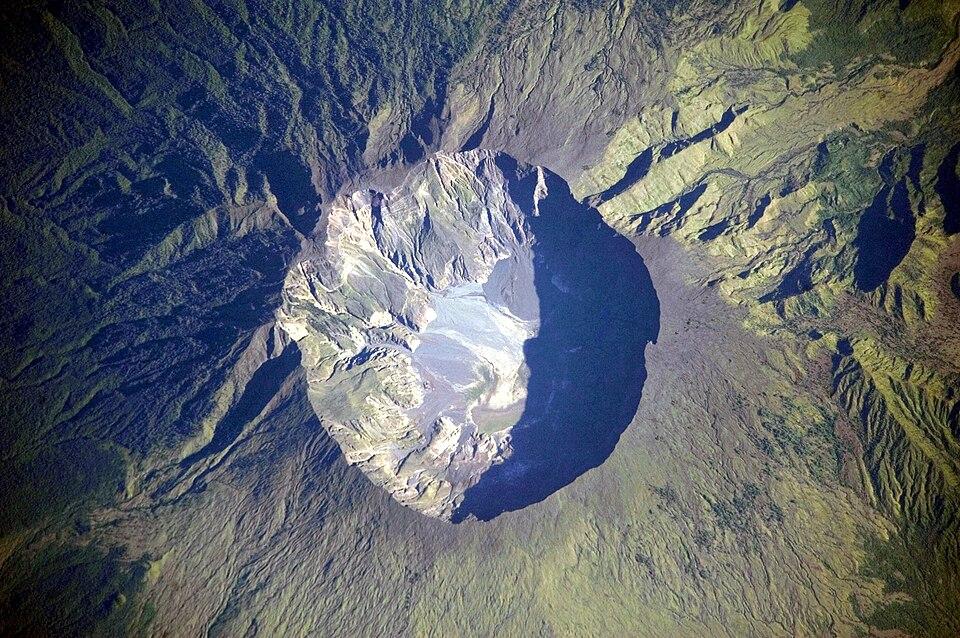
The article describes the eruption of Mount Tambora in 1815 and how it caused a huge shift in climate that is known as the “Year Without a Summer” in 1816. It explains that the eruption was extremely powerful and released huge amounts of ash and volcanic material into the atmosphere. The ash and volcanic material spread around the world and blocked sunlight from reaching the Earth’s surface, leading to a noticeable drop in the Earth's global temperatures. Because of this cooling effect, the weather patterns became unpredictable and really harsh in a lot of regions. The article says that places, like North America and Europe, experienced an unusual amount of cold temperatures, even during the summer months. These cold temperatures brought with them heavy rainfall, storms, and even frost. These conditions messed up the normal growing seasons, leading to a huge amount of crop failure. Because of this, a lot of communities had to deal with food shortages and economic hardship. The article also talks about the impact the volcanic eruption had, showing that it was not just something that affected the communities surrounding the volcano, but rather communities all around the globe.
This article relates to Frankenstein because the eruption of Mount Tambora caused the cold, dark weather that influenced the setting and mood of the story. The bad weather, caused by the eruption, caused Mary Shelley to remain indoors, and the events that occurred during her time indoors inspired her to write the novel.
Mount Tambora Volcano, Sumbawa Island, Indonesia by NASA is licensed under Public Domain.


Shelley, Mary. Frankenstein; or, The Modern Prometheus. 1818.
Steinberg, Michael, "The Year Without a Summer: Mount Tambora Volcanic Eruption." The Old Farmer's Almanac, https://www.almanac.com/year-without-summer-mount-tambora-volcanic-erup…