
This timeline will be a collection of events that surrounds the theme of identity and belonging within the 18th century to the present in British Literature. The events below are either directly related to or closely related to a few of the literature works from the Romantic period, Victorian period, and 20th and 21st centuries.
Timeline
Table of Events
| Date | Event | Created by |
|---|---|---|
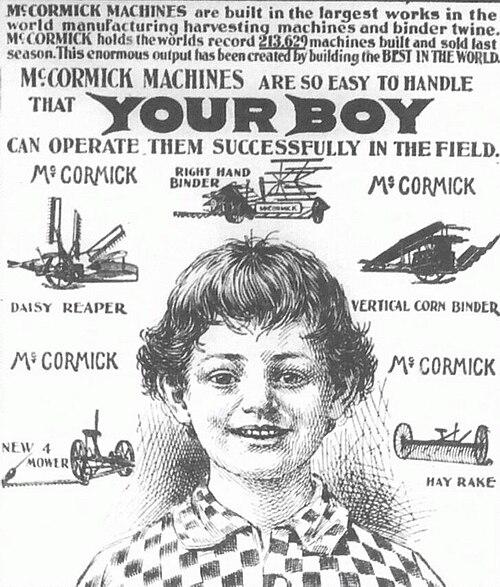
| 1800s circa | Child Labour in the British Industrial Revolution
The article explains how child labor was a huge part of the Industrial Revolution and that many of the children were forced to work in harsh and dangerous working conditions. The article describes how kids as young as five years old were working long hours in factories, mines, agriculture, and as chimney sweepers. These jobs were physically demanding and very unsafe for children to be doing. Because of these working conditions, children were getting injured and sick very often. The article also explains that children were hired because they were small, cheap to afford, and easier to "control" than adults were. A lot of families relied on the money that the children earned, so because of this, children were expected to work instead of going to school. Being expected to work instead of going to school caused them to miss out on a proper education, leading them to have fewer opportunities presented to them for a better future. This article relates to The Chimney Sweeper because it explains a lot of the harsh conditions of child labor that William Blake is criticizing in his poem. It talks about the fact that the children were forced to work in really dangerous jobs for long hours, which backs up what William Blake was meaning when he talked about the suffering and injustice that the kids went through. Blake, William. “The Chimney Sweeper” Poetry Foundation, https://www.poetryfoundation.org/poems/43654/the-chimney-sweeper-when-my-mother-died-i-was-very-young Cartwright, Mark. “Child Labour in the British Industrial Revolution.” World History Encyclopedia, 12 Apr. 2023, https://www.worldhistory.org/article/2216/child-labour-in-the-british-industrial-revolution/. 1900 Ad for McCormick Farm Machines by an unknown staff artist is licensed by Public Domain. |
Alea Allman |
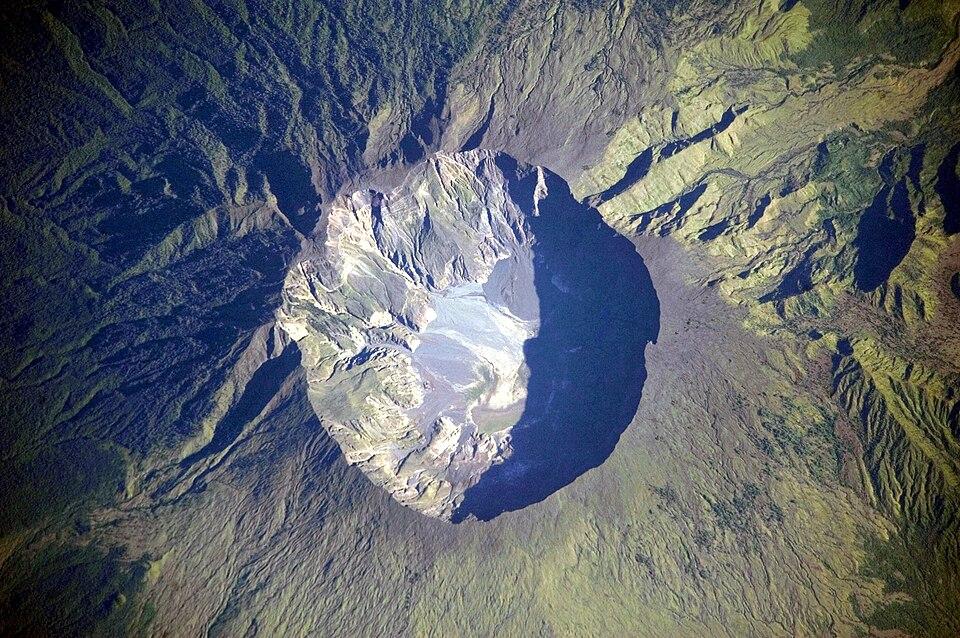
| 1816 | The Year Without a Summer
The article describes the eruption of Mount Tambora in 1815 and how it caused a huge shift in climate that is known as the “Year Without a Summer” in 1816. It explains that the eruption was extremely powerful and released huge amounts of ash and volcanic material into the atmosphere. The ash and volcanic material spread around the world and blocked sunlight from reaching the Earth’s surface, leading to a noticeable drop in the Earth's global temperatures. Because of this cooling effect, the weather patterns became unpredictable and really harsh in a lot of regions. The article says that places, like North America and Europe, experienced an unusual amount of cold temperatures, even during the summer months. These cold temperatures brought with them heavy rainfall, storms, and even frost. These conditions messed up the normal growing seasons, leading to a huge amount of crop failure. Because of this, a lot of communities had to deal with food shortages and economic hardship. The article also talks about the impact the volcanic eruption had, showing that it was not just something that affected the communities surrounding the volcano, but rather communities all around the globe. This article relates to Frankenstein because the eruption of Mount Tambora caused the cold, dark weather that influenced the setting and mood of the story. The bad weather, caused by the eruption, caused Mary Shelley to remain indoors, and the events that occurred during her time indoors inspired her to write the novel. Mount Tambora Volcano, Sumbawa Island, Indonesia by NASA is licensed under Public Domain. Shelley, Mary. Frankenstein; or, The Modern Prometheus. 1818. Steinberg, Michael, "The Year Without a Summer: Mount Tambora Volcanic Eruption." The Old Farmer's Almanac, https://www.almanac.com/year-without-summer-mount-tambora-volcanic-erup…
|
Alea Allman |
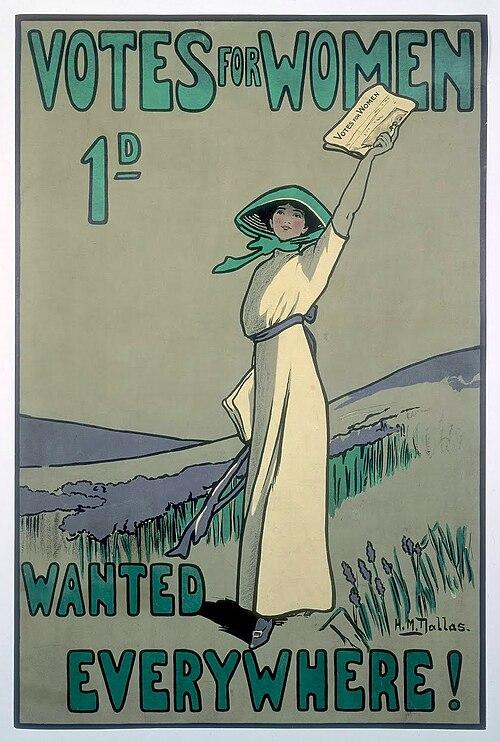
| 1919 circa | Feminism during Victorian Era
This article explains how feminism developed during the Victorian Era. During this time, women had very few rights and were expected to focus on the more domestic roles, like taking care of the house and kids. It talks about how society believed that women were supposed to stay in the home, focusing on their family life while men were able to have power and authority in the government and politics. Because of the expectations on women during this time, a lot of the women were frustrated with their lack of freedom and the lack of opportunities that were presented to them. The article discusses how a lot of the early feminists were fighting to get better rights in education, marriage, employment, and voting. The Langham Place Circle was one of the places that worked to improve women's legal and social positions while people like Emmeline Pankhurst were trying to push for the Women's Suffrage Act. Writers during this time were also trying to get other women to realize these inequalities, one of the writers being Virginia Woolf. The article covers the suffrage movement in both Britain and the United States, saying that women were fighting for the right to vote for numerous years, finally gaining those rights in the early 20th century. This article relates to Goblin Market because both of them show the restricted roles that women were expected to have and be okay with in society as well as the push they had against those restrictions. The poem focuses on the sisters relatinoships and trying to resist temptation, which can be seen as a reflection of some of the Victorians' concerns about the independence of women. This can be seen as a way that some of the early feminists were challenging the views and expectations about women's behaviors and rights during this time. “Feminism in the Victorian Era.” Victorian Era, https://victorian-era.org/feminism-victorian-era.html Rossetti, Christina. “Goblin Market.” Poetry Foundation, https://www.poetryfoundation.org/poems/44996/goblin-market. WSPU Poster by Hilda Dallis in 1909 is licensed under Public Domain. |
Alea Allman |
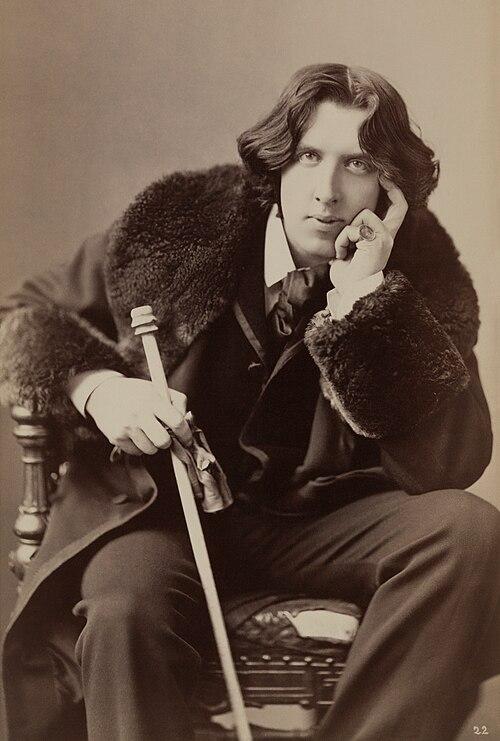
| April 26, 1895 | Oscar Wilde and the Trials that Broke Victorian Britain
The article explains Oscar Wilde's trials in 1895 and how the trials exposed how strict and judgmental the Victorian society was during this time frame. Wilde was a very famous writer and playwright but ended up getting arrested and charged with "gross indecency" because of his sexual relationships with men. Oscar Wilde's case got a lot of attention in the newspapers and ended up being one of the very first "big " celebrity trials, causing everybody to talk about it and form their own opinions over it. The article talks about how Victorians cared more about trying to appear proper and respectable in public, even though a lot of society had their own private life. In the end, Oscar Wilde ended up being found guilty and sent to prison, ruining his career and reputation. This article shows how harsh society could be towards anybody who went against the norm. This article relates to The Importance of Being Earnest because both of them show how the Victorians were more focused on how they appeared to society, what their reputation was, and trying to make sure that they had proper behavior when in public. In the play, Oscar Wilde talks about the fact that a lot of people were living double lives, like Jack and Earnest. “Oscar Wilde and the Trials That Broke Victorian Britain.” History Hit, https://www.historyhit.com/oscar-wilde-and-the-trials-that-broke-victorian-britain/ Wilde, Oscar. “The Importance of Being Earnest: A Trivial Comedy for Serious People.” Project Oscar Wilde by Napoleon Sarony is licensed under Public Domain. |
Alea Allman |
| 1914 | World War I
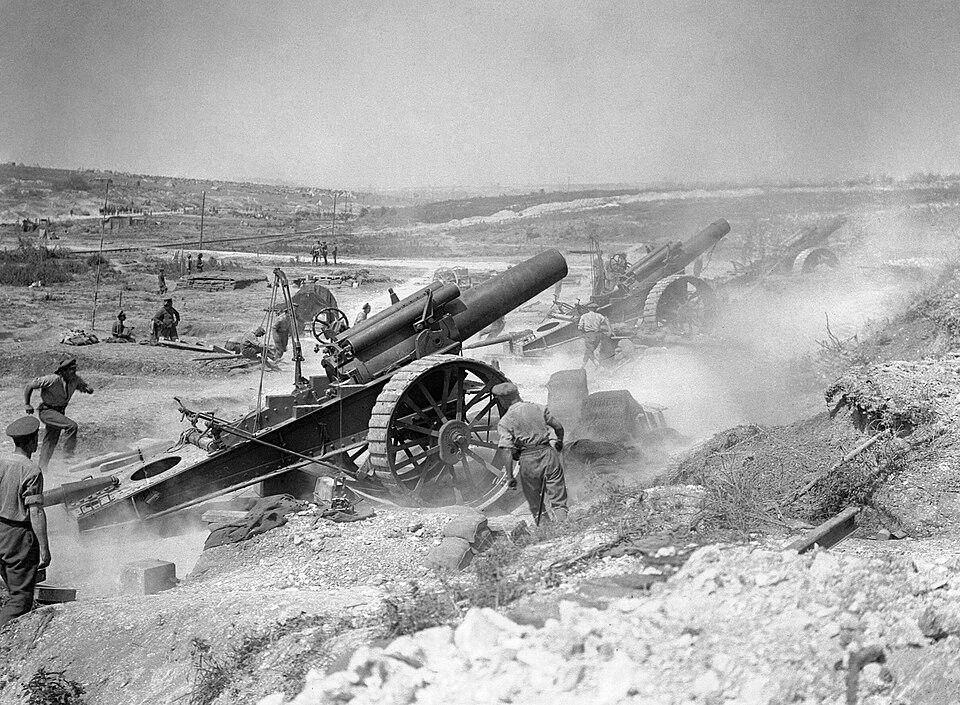
This article explains the fact that World War I was a global war that took place from the years 1914 to 1918. It began after the assassination of Archduke Franz Ferdinand of Austria-Hungary in the year of 1914 which eventually ended up causing a chain reaction of the alliance systems in place across Europe. THese alliances divided the country into two different groups, the Allies (Britain, France, Russia) and the Central Powers (Germany, Austria-Hungary, the Ottoman Empire). The article talks about the fact that the qar quickly spread beyond Europe, becoming a world war. It talks about the use of new military technology and the dangers that come with them, new military technology including machine guns, artillery, tanks, and otehr chemical weapons. This new technology caused a lot of casualties. A lot of the war was involving trenches, causing long stalemates in the war where soldiers had to live in cruel and dangerous environments for extended periods of time. This relates to the poem They because it explains a lot of the mechanics behind the psychological aspects of war that Seigfried Sassoon mentioned. The article talks about a lot of the brutal fighting and the trench stalemates during World War I which explains more about why Sassoon was so critical about the war. In the poem, Sassoon talkeda lot about how the soldiers physically and metnally suffured during the way and questioned the people who supported it and saw the value in it. British 39th Siege Battery RGA Somme 1916 by John Warwick Brooke is licensed under Public Domain. Sassoon, Seigfried. “They.” Poetry Foundation, Poetry Foundation, “World War I.” New World Encyclopedia, https://www.newworldencyclopedia.org/entry/World_War_I
|
Alea Allman |
| 1915 | The Terrors of Poison Gas in WWI
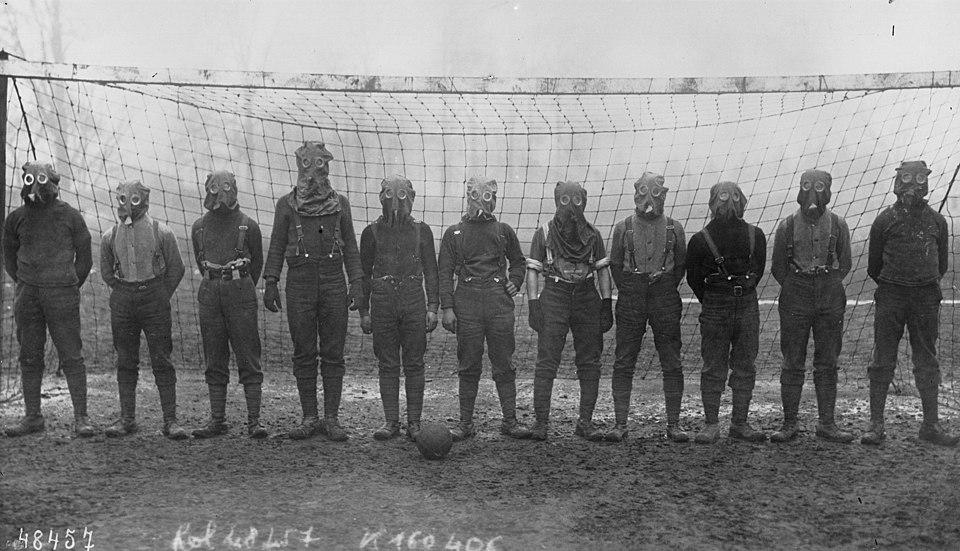
This article explains how poison gas became one of the most feared weapons during World War I. It describes how the first use of the gas was by the Germans in at the Second Battle of Ypres in 1915 and how other countries quickly made other types of chemical weapons following this attack. The article explains the effects of different types of gas, like chlorine (which was the first type of gas used), phosgene, and mustard gas. These gases caused different illnesses and symptoms. These symptoms were choking, blindness, burns, and other types of longterm health issues for the soldiers in the trenches. The poison gas was caused a lot of fear for the soldiers because they did not know when the danger was coming. The article also explains how armies developed gas masks and other types of protective equipment against the different types of chemical gases and warfare to be able to protect themselves, as it became a more common and widely used form of weapon. The article relates to Dulce et Decorum Est directly because of the fact that the poem talks about gas attacks similar to the ones explained in the article. The article talks about how the poison causes choking, blindness, panic, painful deaths, and more which is very similar to how Wilfred Owen describes when a soldier failed to put his gas mask on in time: "guttering, choking, drowning." Both the article and the poem show the harsh reality of war instead of presenting it as something heroic or honorable. Wilfred Owen uses his poem to criticize the original thought of dying for the war being heroic and honorable, and the article is able to provide textual evidence as to how terrifying and deadly the war was, backing up Owen's standpoint. Cartwright, Mark. “The Terrors of Poison Gas in WWI.” World History Encyclopedia, 19 Nov. 2025, https://www.worldhistory.org/article/2839/the-terrors-of-poison-gas-in-wwi/ Football Team of British Soldiers with Gas Masks by Agence Rol is licensed under Public Domain. Owen, Wilfred. “Dulce et Decorum Est.” Poetry Foundation, Poetry Foundation, |
Alea Allman |


.jpg?uselang=en#Licensing)


