
What can I do in COVE Groups?


Group members
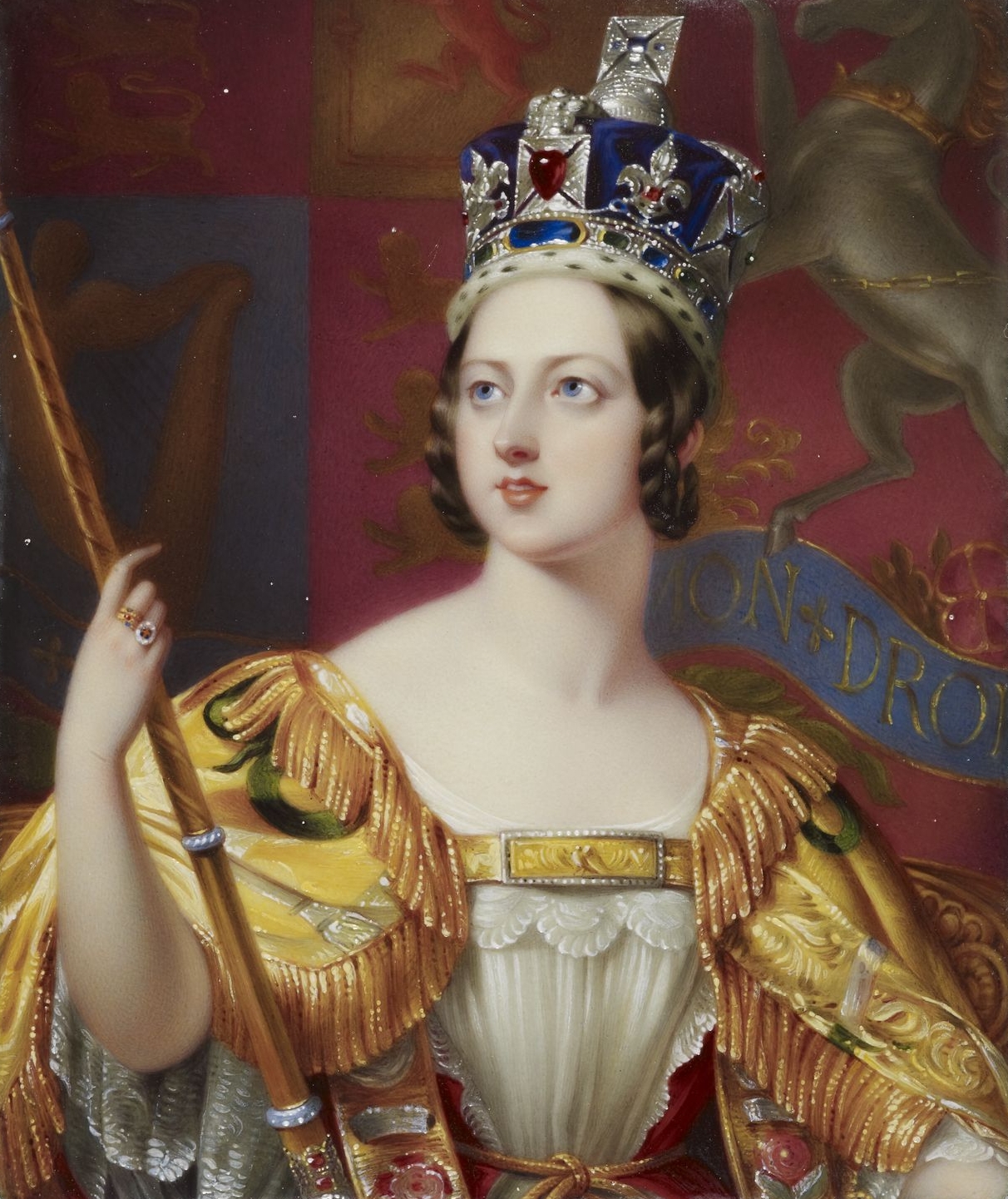
Hayter's Queen Victoria, Courtesy of Wikimedia Commons
EVERYTHING OLD COULD BE NEW AGAIN
BRITISH LITERATURE FROM 1798 // ENGLISH 222/W, SECTION 001

It is natural to compare and contrast one's own ideas and world with those found in any literature one reads; this class is crafted so that we foster those comparisons and contrasts. In other words, this class will plunge you into worlds inhabited by Romantics who rival today's most eccentric entertainers, Victorians who probe social, political, and even sexual questions that still plague us today, and Modernists (and Postmodernists) who, like us, try to make some sense out of all previous traditions. By comparing the writers, characters, and texts of these three literary periods between themselves and with our own, this class will move inductively to the "big questions" that have come to characterize the Romantic, Victorian, and Modern periods of British literature. Thus, as we read our way through the late eighteenth, nineteenth, and twentieth centuries, our attention will be focused on issues such as gender and familial politics, national and international relations, literary and artistic ideals AND the interactions between all of those ideas. This focus should help identify similarities and differences—stasis and growth—between the literary periods. It should also lead us to question what "old things" are "new again" and whether we should embrace or discard them.
While this approach makes us, as a class, more active in identifying Romantic artistic ideals, Victorian social anxieties, and Modern disillusionment, it also positions us in ways similar to past British readers, who, like the writers of the time, were creating and participating in the dialogues that shaped these periods by deciding what old and new ideas and artistic techniques should be embraced or discarded. In other words, in this class we will enter the time periods focused on both cultural and artistic history.
Ultimately, then, this class is designed to bring home the idea that the "Romantic Hero," the "Woman Question," and "Modernism" were not ideas until writers and readers made them topics for discussion. More globally, the goals of this classare 1) to introduce you to the main literary and social concerns of these time periods; 2) to exercise and enhance your close reading skills; and 3) to appreciate and synthesize others' readings of literature with your own.
One bonus of this course is that it can serve as a prerequisite to a one-week trip to London. This trip will next occur late-May 2021. I will talk about this trip some in class, but if you are interested, please ask me any questions you might have.
A further bonus of this course we'll also be using THIS EXCITING new Learning and Teaching Tool--COVE (the Central Online Victorian Educator)--as a SOURCE OF YOUR READINGS and to create a timeline and map that will help us better understand the literary periods we will investigate.
Steampunk Ladies ABOVE, Courtesy of Wikimedia Commons