


Display Explanation:
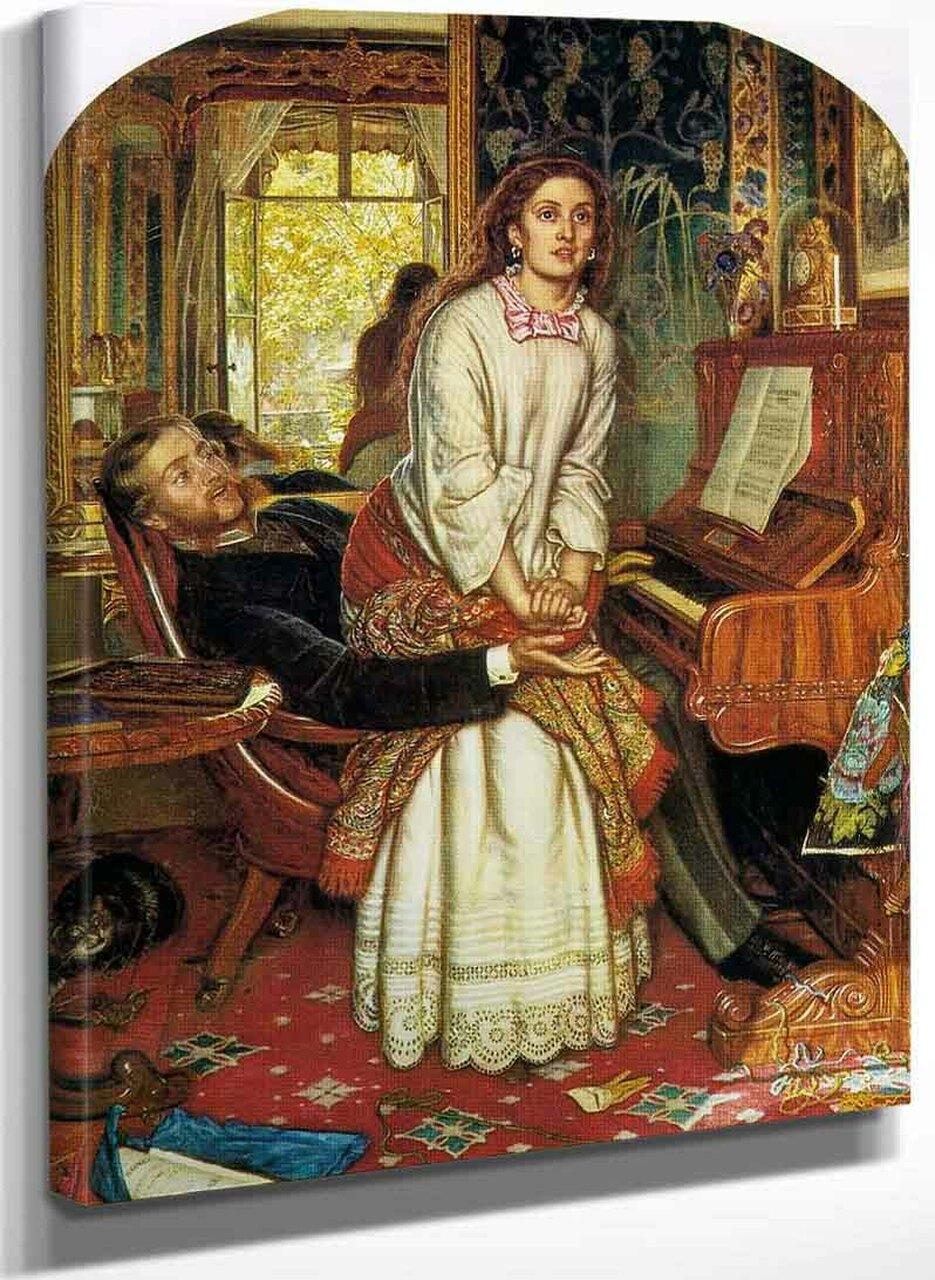
The installation for these three pieces will be located in a room with only three walls, symbolizing the shape of a triangle. Each painting will be located on one of the walls. Meaning that it will be one painting per wall. All of the paintings will be hung in the center of the walls. All images will maintain their original size and have a golden frame. Inspired on the first painting, the walls will have a light blue color and have a design from the times that anticipated the first world war. The images will have lights behind and above them. In that way, a feeling of illumination or awakening will be created among the spectators. The pamphlets with information about the gallery will be displayed in the center of the room. The pamphlets will serve as guides for the visitors. The flyers will be made of recycled paper and have a symbol that represents awakening.
When entering the installation the observers will be psychologically transported to the late eighteenth century. The room will have various artifacts that belong to the era from the paintings. The artifacts will be mainly tools that artists use for creating artwork. For instance, under the image, The Painter’s Honeymoon will have a table underneath similar to the one in the actual image where oil paint and paintbrushes will lay. Among lamps, books, and sitting places such as sofas, that adequately represent the painting’s time period will be used as complementing decoration. Therefore, museum-goers will have a complete experience similar to traveling back in time. Before exiting the exhibition a photo booth will be situated where the visitors can take an instant photo to remember the installation.
Installation Note:
The installation lightly foreshadows the start of women leveling the academic gap between women and men. Even though none of the paintings display explicit protests or any kind of message regarding women's progress, all of them make illusions to women acquiring knowledge. The concept of women becoming more intellectual was a trend that originated among the high class. All three paintings are dedicated to different activities that involved academics. For instance, the first image is about a lady accompanied by an older man who seems to be playing the piano. The lady’s face in the illustration effectively portrays the feelings of surprise or even fascination towards the innovative piece of music that the man lightly produces by carefully touching the piano’s key. Following the same intentions, the second image to the right presents a couple of newlyweds admiring a painting. Similar to the previous painting, the man in the image appears to be showing the lady something that she had not seen before and the lady expresses a true interest in the painting. The last picture portrays a young lady invested in reading a book, well if you look to the table she is invested in reading numerous books. Her facial expressions reveal how she truly enjoys her reading. Whether it was knowledge about music, visual art, or literature, all three ladies explicitly demonstrate curiosity about it. It might not be as shocking as the suffragist movement, however, during this era, the start of women receiving education similar to men was a significant stage in history. Women obtaining academic preparation could be defined as some sort of awakening.