
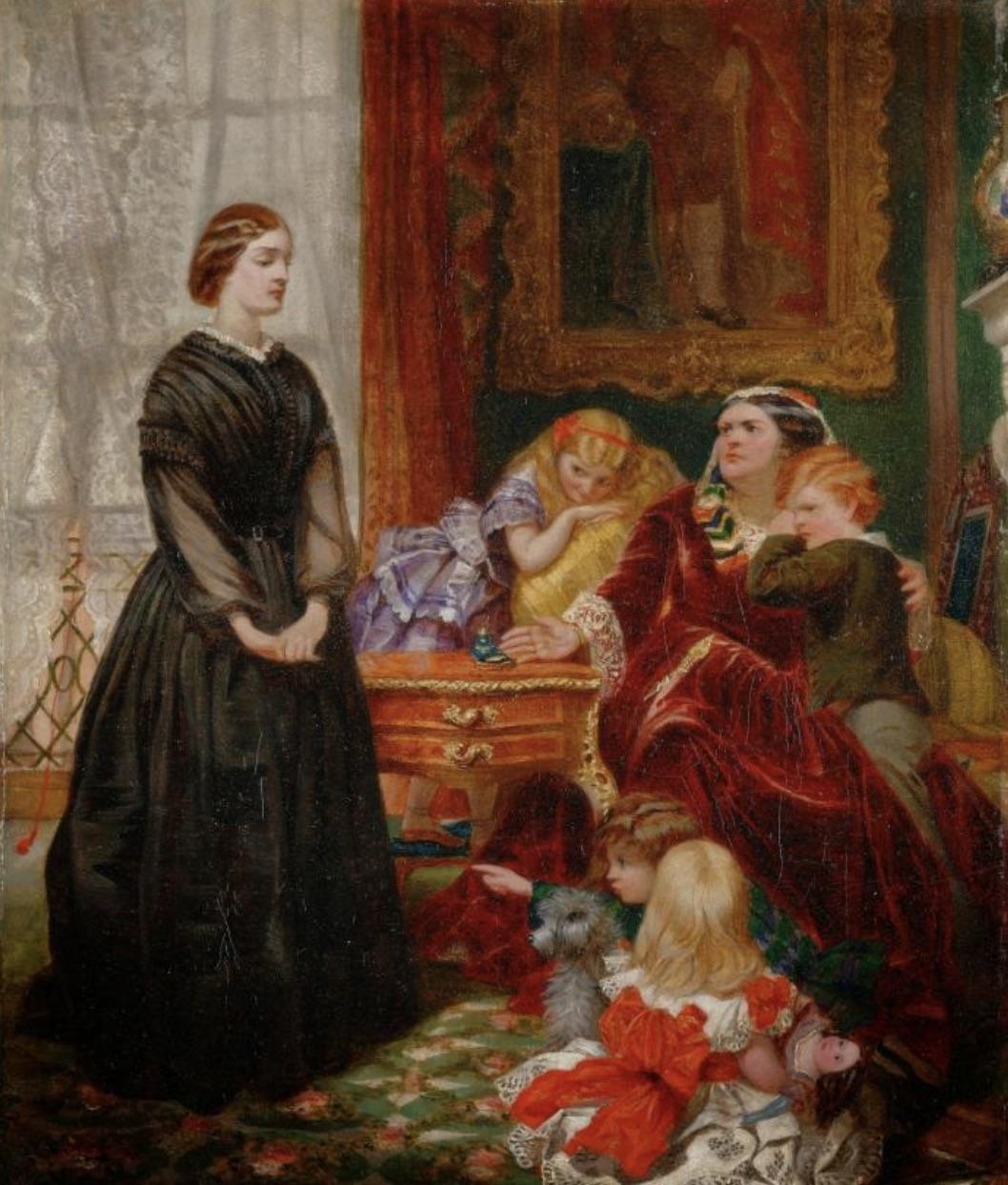

- Our original research question considered many of the same ideas that we ended up settling on for our final key research question, but was much too broad in nature. Through our research process, we came to figure out the most important aspects about how Victorian children are depicted (through class, intelligence, and beauty) and became able to narrow our research down as a result. Furthermore, our research evolved from a simple study of how children were viewed in the Victorian era to an analysis of their coming-of-age stories, and how they were complicated by the various aspects that we researched. This seemed like a natural progression of our research, since it was already initially centered around childhood and its implications. Finally, both through our research process and deciphering how much these issues pertained to specifically women, our interest evolved from evaluating children in general to focusing on women's childhood specifically.
- This research process has made us more curious about the coming-of-age stories of children who grew up outside of Victorian England -- perhaps children in middle eastern countries or areas that may have been dominated by completely separate ideologies pertaining to children, and the aspects that defined how they were viewed. Were they subject to the same treatment and judgement that children like Jane and Katy were in their respective novels, despite being inside a completely different environment on many levels? Another question that our research raised is how exactly conduct books came into such popularity in the 19th century. Did conduct books inspire the Victorian ideal, or did the Victorian ideal necessitate conduct books?