Central Question: How were female children coming of age viewed during the 1800s based on such factors as class, intelligence, and beauty?
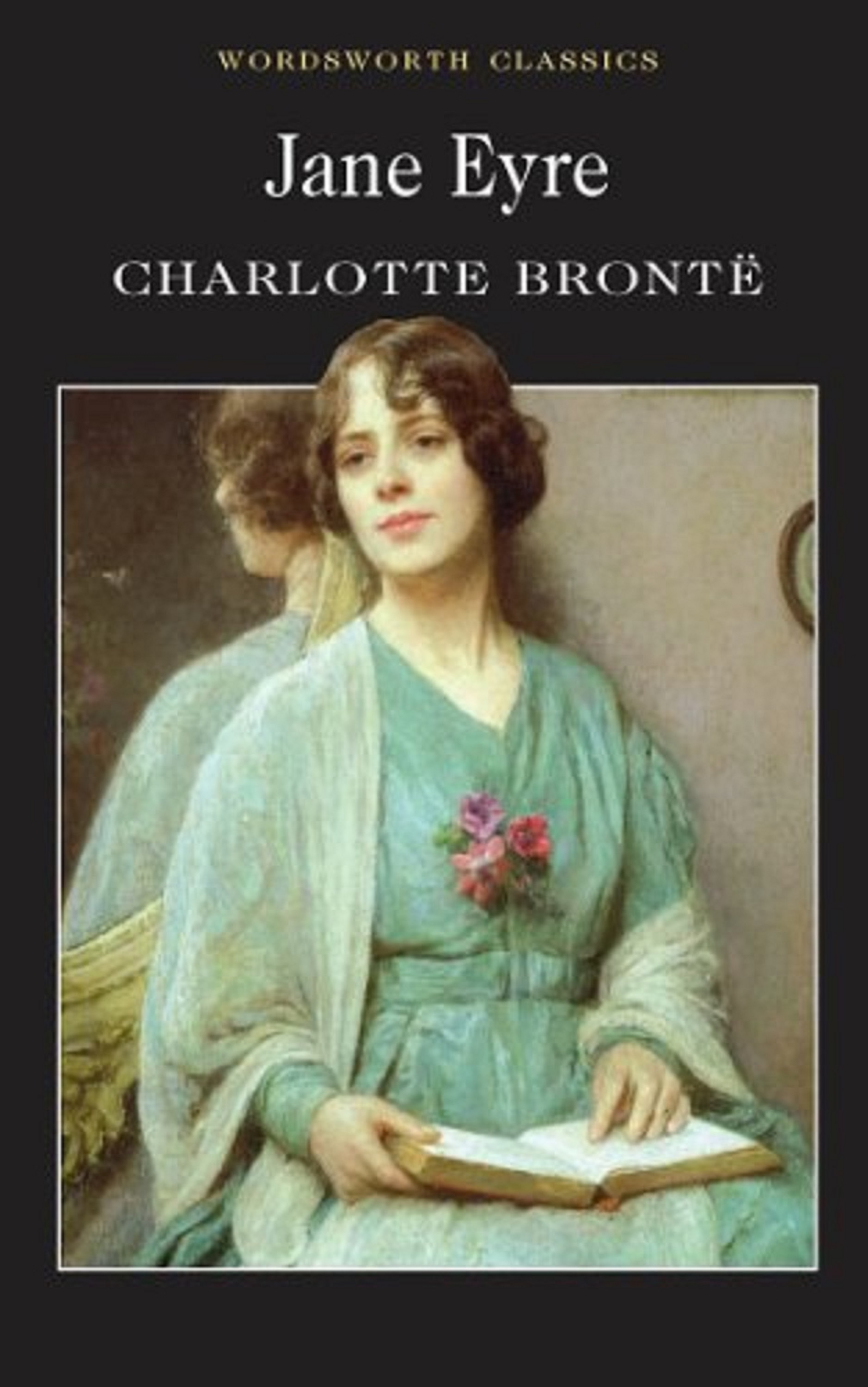
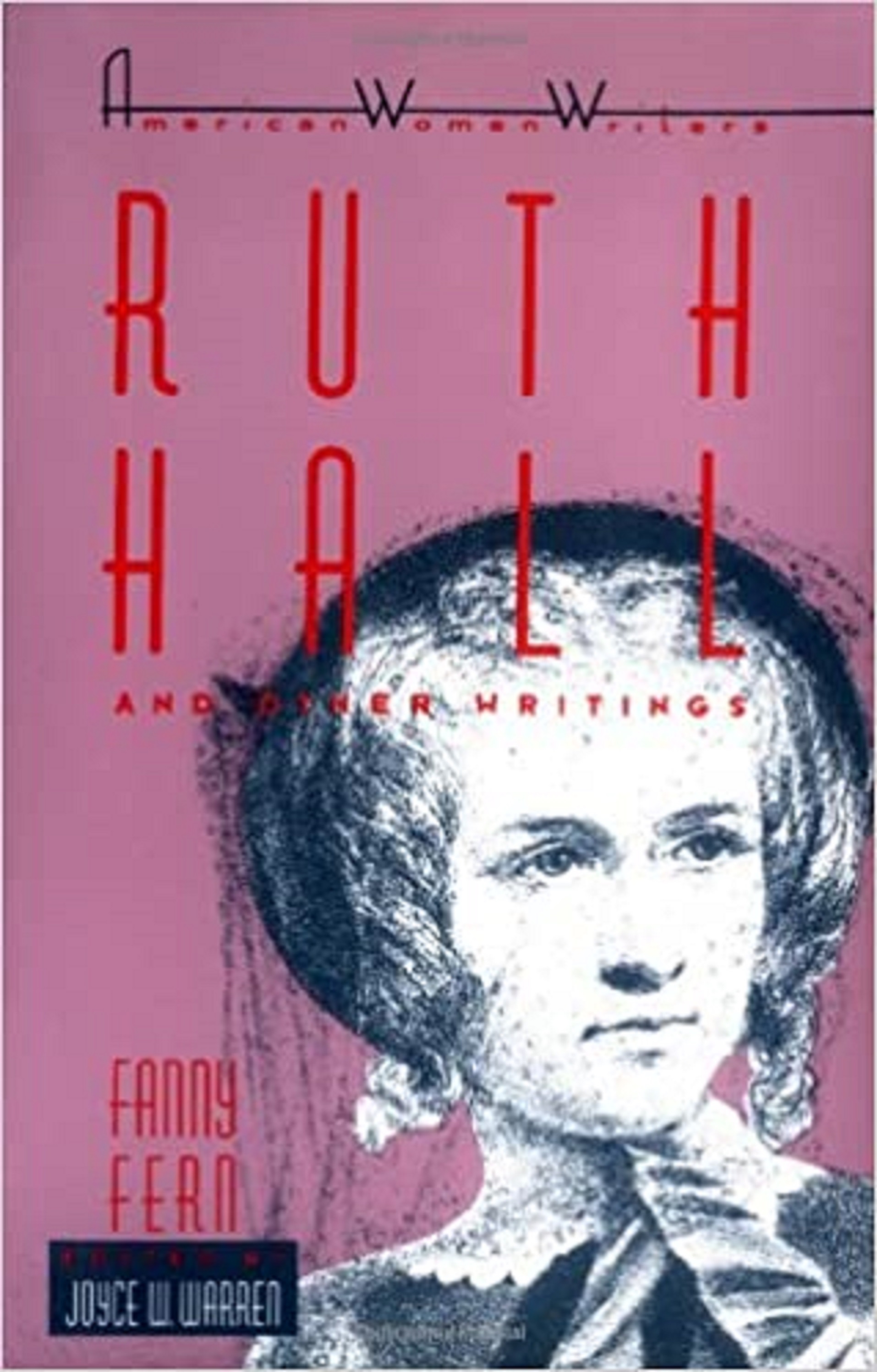
Inspiration: We became inspired by Jane Eyre and Ruth Hall’s depictions of young women coming of age. In particular, these three quotes:
“all the world knew it was quite unnecessary for a pretty woman to be clever” (Fern, 16).
Miss Abbott says if Jane “were a nice, pretty child, one might compassionate her forlornness; but one really cannot care for such a little toad as that,” in which Bessie responds with, “Not a great deal, to be sure. At any…
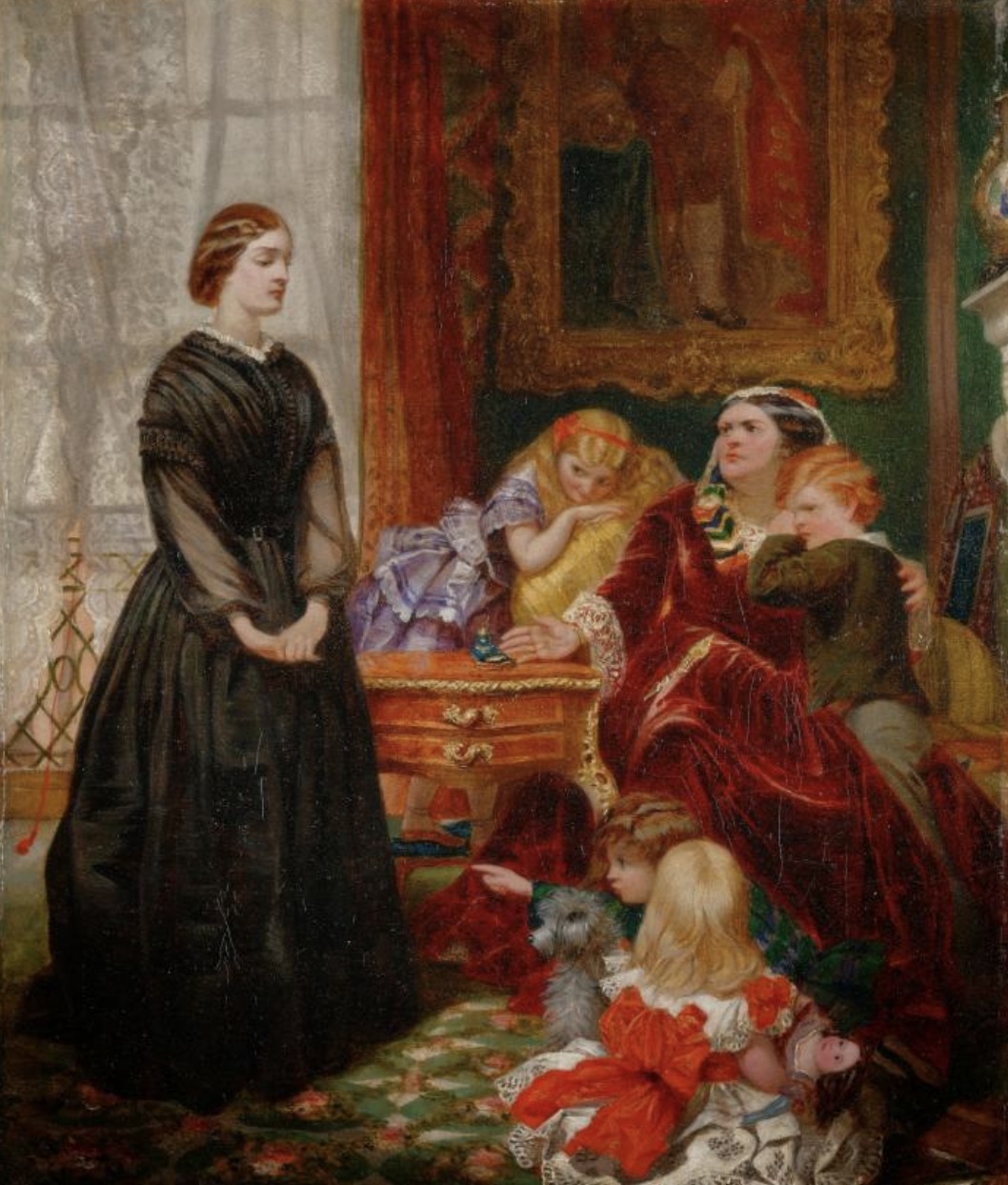
One factor that contributed to the difficulty of coming-of-age for Victorian children was the way that they were treated much like adults, despite their actual class rank as children. This age-defying treatment shows throughout Ruth Hall, and it became much clearer as a theme through our research.
In Ruth Hall, Katy is held to an adult-like standard at various points. One instance of this is when she is asked to travel across town by herself, to request some money from her grandfather so that Ruth can make rent (Fern, 87). Katy’s childhood is no excuse for refusing this task, regardless of…
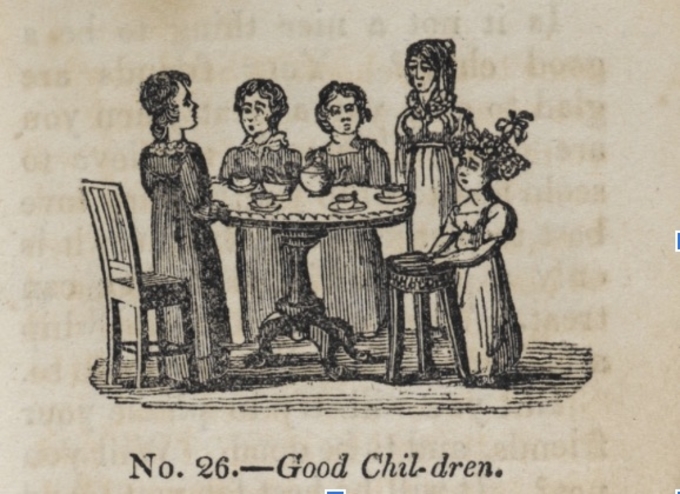
A stand-out primary source for us was Child’s First Tales, a children’s book written by William Carus Wilson -- the headmaster of a school that all four of the Bronte sisters attended. It contains many stories depicting various events involving children, all of which emphasize the expectations that children had to live up to in order to please adults such as Wilson. The extreme implications of their ability (or lack thereof) to meet these expectations stunted the growth of the typical Victorian child.
Notably, Charlotte Bronte based the character of Brocklehurst on Wilson himself, which…
,
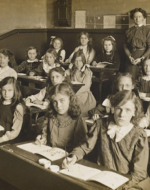
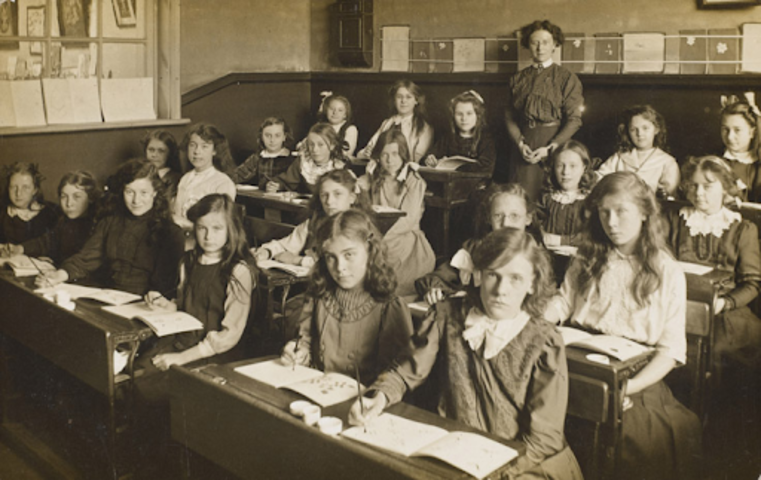
Public education evolved significantly during this era
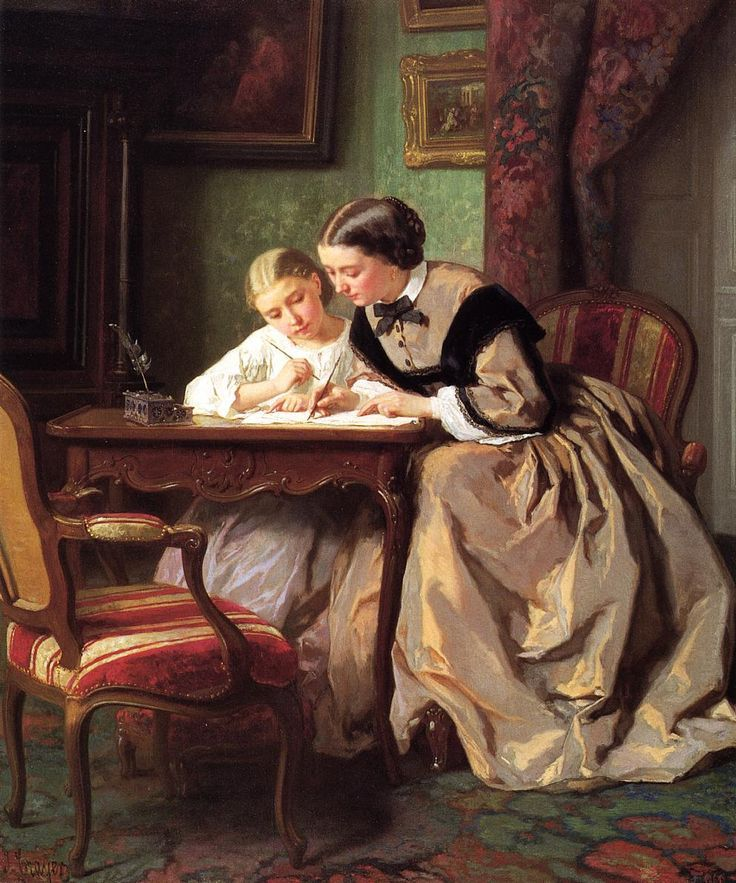
Education was not prioritized for girls as it was for boys
Higher education deemed unnecessary for women
Subjects were not the same
Women were taught things that could help them earn a husband
Goal is always to wed
We see this in Ruth Hall as her father encourages her to quit her studies and either become a teacher or find a husband
Artistic talents and languages such as French
It was not until the Education Act passed in 1870 that both girls and boys were required to receive an elementary education
Girls then began to learn…
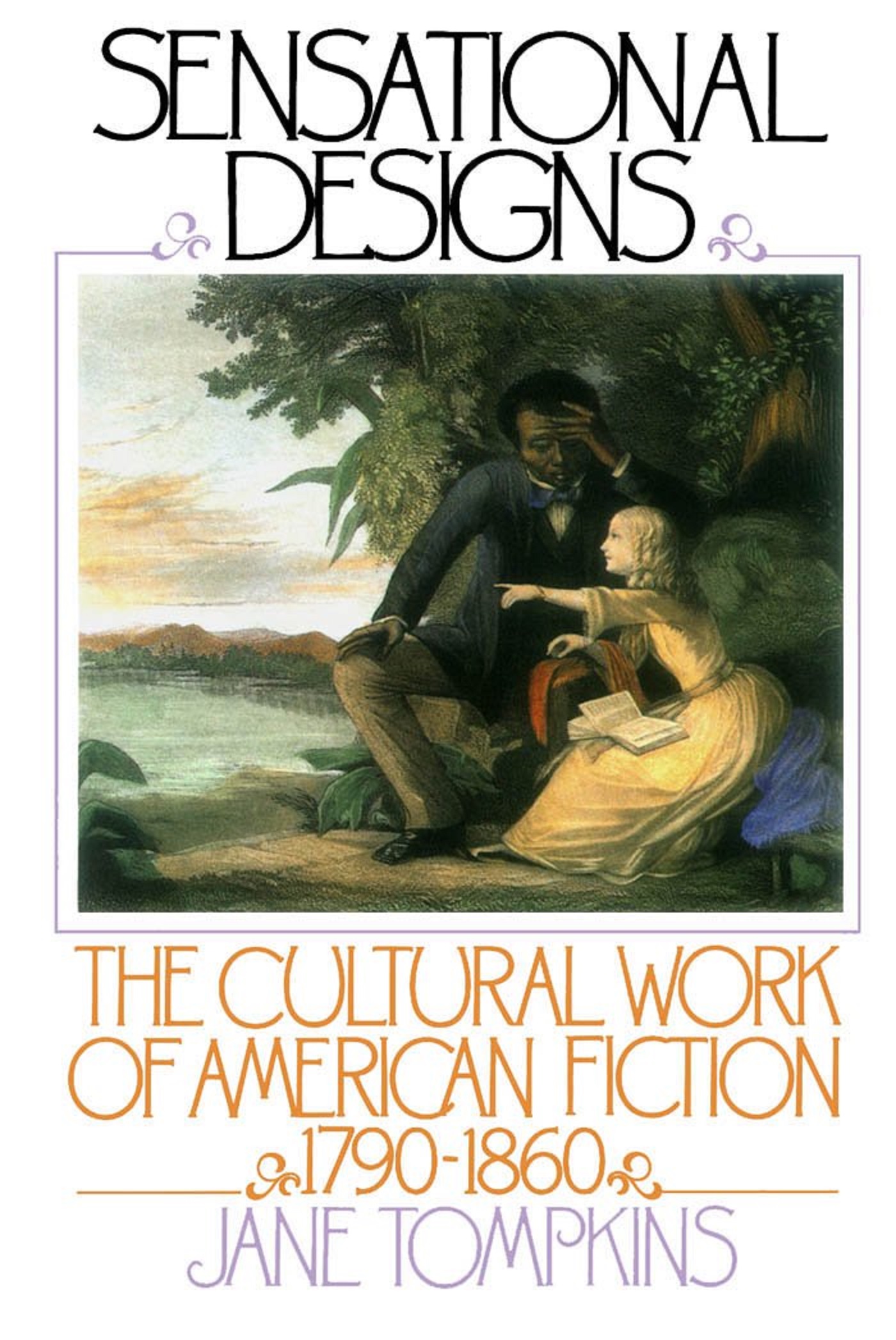
Summary: Tompkins refutes critics’ claims that sentimental and cliche novels are valueless and solely for aesthetics, arguing that they are actually a medium in which Victorian women writers could better connect their readers to their writings. Therefore, the way in which these women wrote was intentional and meant for a rhetorical purpose. Tompkins also reveals how girls and women were represented in novels and society at the time, by analyzing book characters in terms of her argument.
Illuminating: How Tompkins argument, seemingly just about novels, encompasses new societal…
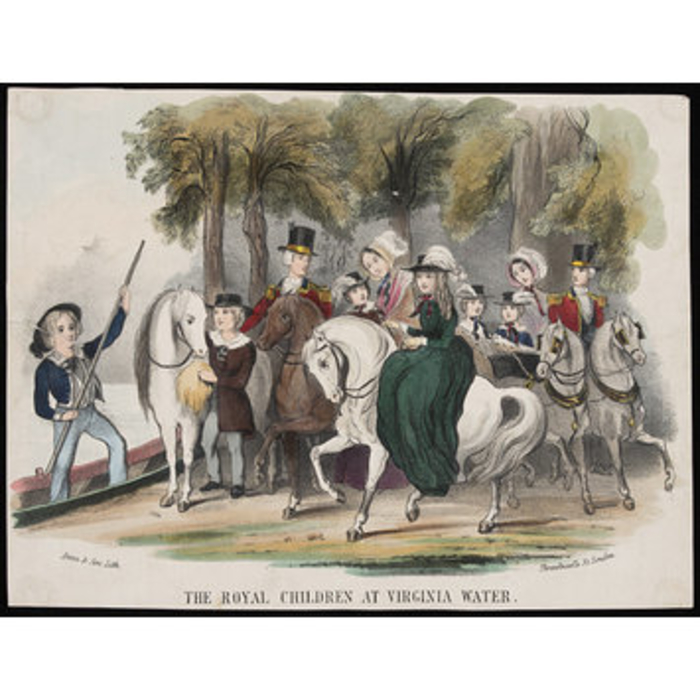
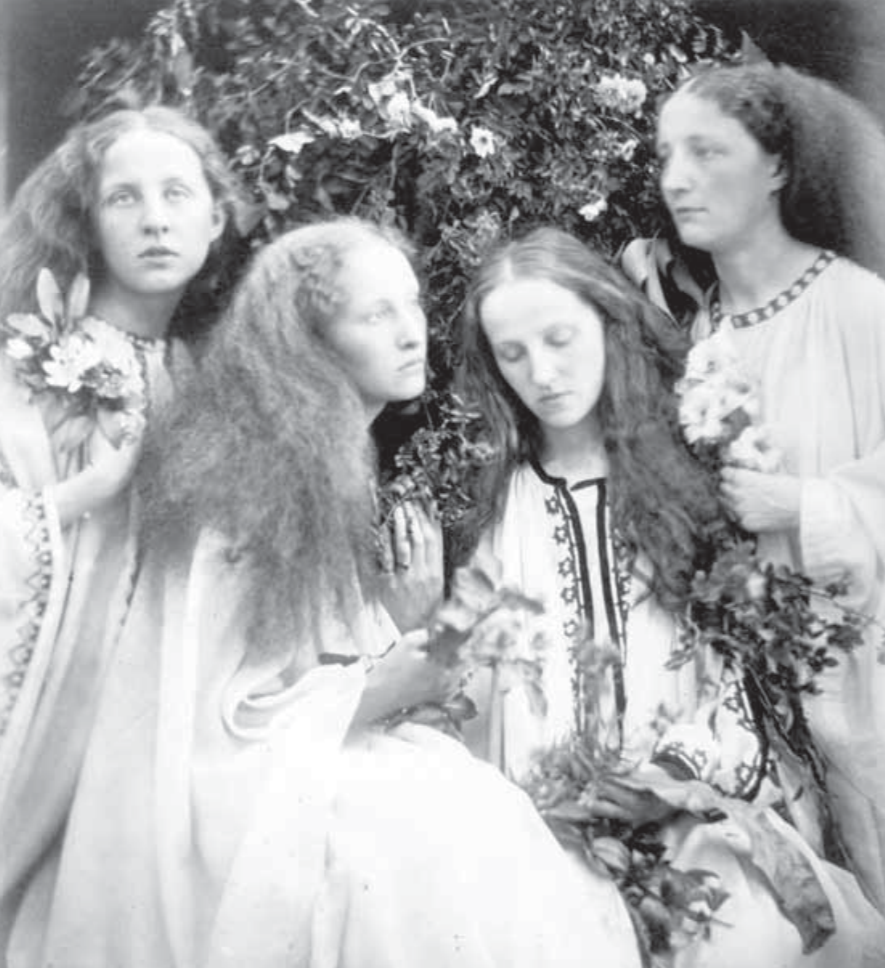
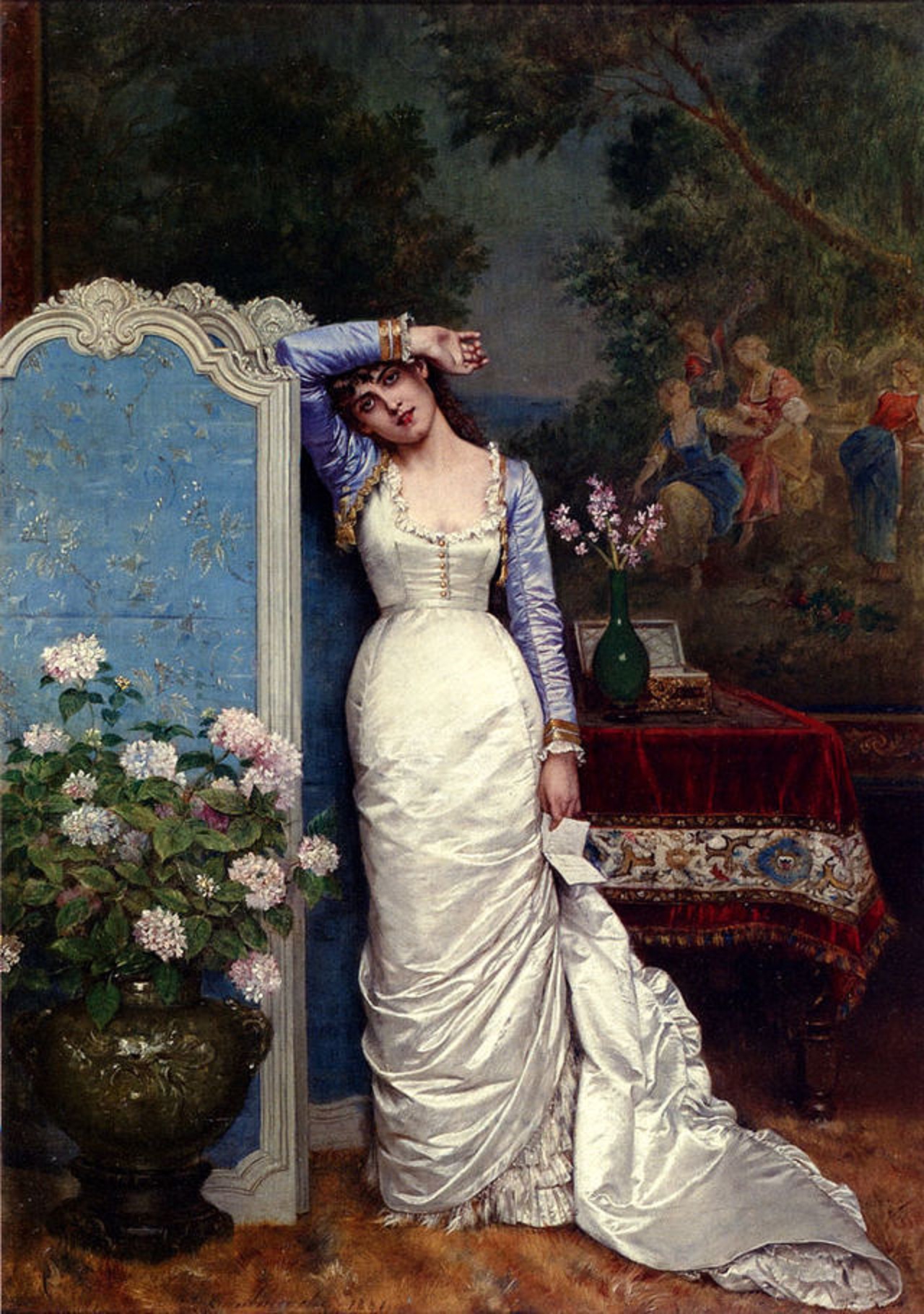
Throughout the 1800s, girls and their beauty have been emphasized in artwork.
One of the most well known symbolisms in art created about women during the time was flowers. Griselda Pollock writes, “Flowers have been used as a metaphor for women’s sexuality” (Pollock, 135).
Lynne Vallone adds further depth to this idea. In her text, she writes about an interpretation of an art piece, “The Rosebud Garden of Girls,” saying “Perhaps these “flowers” are waiting to be “plucked”— to be chosen by a man” (204). In other words, the women and their sexuality in the painting, represented as flowers, are…
To reiterate, Miss Abbott says if Jane “were a nice, pretty child, one might compassionate her forlornness; but one really cannot care for such a little toad as that,” in which Bessie responds with, “Not a great deal, to be sure. At any rate, a beauty like Miss Georgiana would be more moving in the same condition.” (Bronte, Ch. IV).
Other writers echo this sentiment, but without the social critique Bronte offers. Instead these works focus on how beauty is an advantage in society.
“If a woman is run over in the street, you may be sure she was either old or ugly. For the gifted and the…
- Our original research question considered many of the same ideas that we ended up settling on for our final key research question, but was much too broad in nature. Through our research process, we came to figure out the most important aspects about how Victorian children are depicted (through class, intelligence, and beauty) and became able to narrow our research down as a result. Furthermore, our research evolved from a simple study of how children were viewed in the Victorian era to an analysis of their coming-of-age stories, and how they were complicated by the various aspects…