
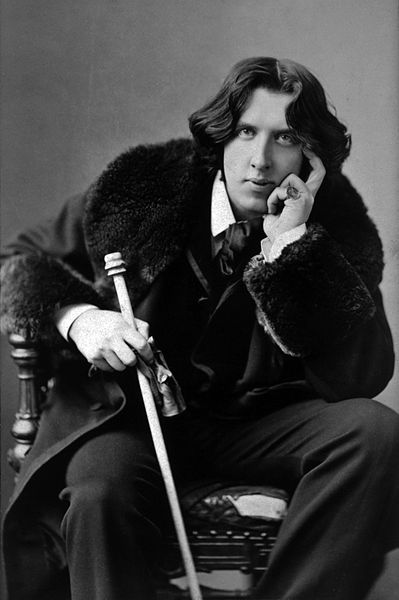
This article explores the common misconceptions of Oscar Wilde, the Victorian Era on the concept of homosexuality, and the trials of Wilde. It goes in depth to see Wilde as an actual person, instead of the archetypical gay martyr that he has become known for. Wilde grew up and lived on a lower social class level. Many believe him to be an aristocrat because of his family name, however not only was he poor, but he also was Irish and never fully accepted into England. The Victorians were most worried about the crime of sodomy- due to their Christian background and beliefs. Proof of sodomy would result in prison for life, when there was lack of proof the punishment would be two years in prison for gross indecency. The misconstrued idea of lack of knowledge about homosexuality is in fact wrong during the Victorian Era. Again, homosexuality was defined as sodomy. There were bars all throughout London where men could meet other men. It wasn’t something that was completely uncommon and unknown.
Wilde participated in three different trials. The first wasn’t even a trial for sodomy, but instead a trial for defamation of Wilde’s name (defamation done by his boyfriend’s father). The intense prosecution from the first trial lead to the other two- putting Wilde into prison for gross indecency. Wilde died shortly after being released from prison. While the imprisonment ruined Oscar’s chance at future writing, it didn’t kill his previous work. His work didn’t die with his prison sentence. In fact, it brought more fame to him and his name. His name became the name for the action of homosexuality, and his work still continues to be explored.