
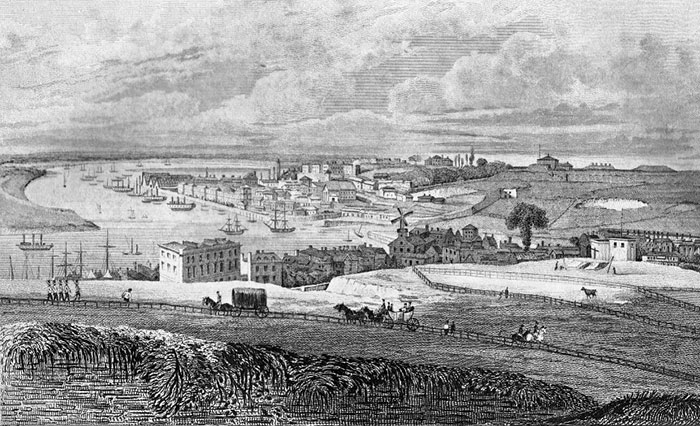
In the article ‘”Coquetting amid incredible landscapes’: Women on the River and the Railway”, author Carolyn W. de la L. Oulton expresses the tension between the pastoral way of living compared to the urbanization of London. The finished railway from London to Kent in 1862 completely changed history. Through the increased technology of travel, the more simplistic times were changing. One was successful in getting from the country to the city in a matter of hours instead of days. With this, women were now able to better travel on their own as well. It was no longer a coach ride with only themselves or family members, but a train ride- sitting in close proximity with strangers. This ease in travel for women challenged the long held belief that the industrialized was masculine and the country landscape was seen as feminine. Both the cities and the country side were of easy access. Along with the railway, travel via the riverside also took off. Again challenging the typical literature stereotypes of women. The river had been used in the past by authors such as Dickens as a representation for women and their sexuality/morality. However, now the river is used as a connection piece. Connecting the city and the country, this idea of “no escape” becomes eminent- wherever one goes to escape, others can quickly follow. Not only has this shift in travel changed the real life experiences, but it has shifted the literary expectations for readers.
Along with the new travel via railway, came an impact in reading. Some argued that travelers should enjoy the nature that is quickly passing by on the train. Others believed in spending the time reading. There were book stalls near railways which aided the push for reading.