We'll use this timeline to list important dates in the 19th century in both Britain and the United States and to see those dates in relation to the periodicals we're discussing and history around them.
In class on Friday, September 4, we will add dates to the timeline related to the course readings. Then, for homework due on Tuesday, September 8, everyone will add three dates to this timeline from your reading and researching. Each entry you add should have at least one piece of media and a short description. Please try to avoid duplicating events posted by classmates.
Timeline
Table of Events
| Date | Event | Created by |
|---|---|---|
| 16 Dec 1773 | Boston Tea PartyOn December 16, 1773 Britain was rebelled against by the American colonists by throwing a massive shipment of tea into Griffin's Wharf in Boston. This rebellion/protest marked the beginning actions that lead to America fighting for it's independence. |
John Notte |
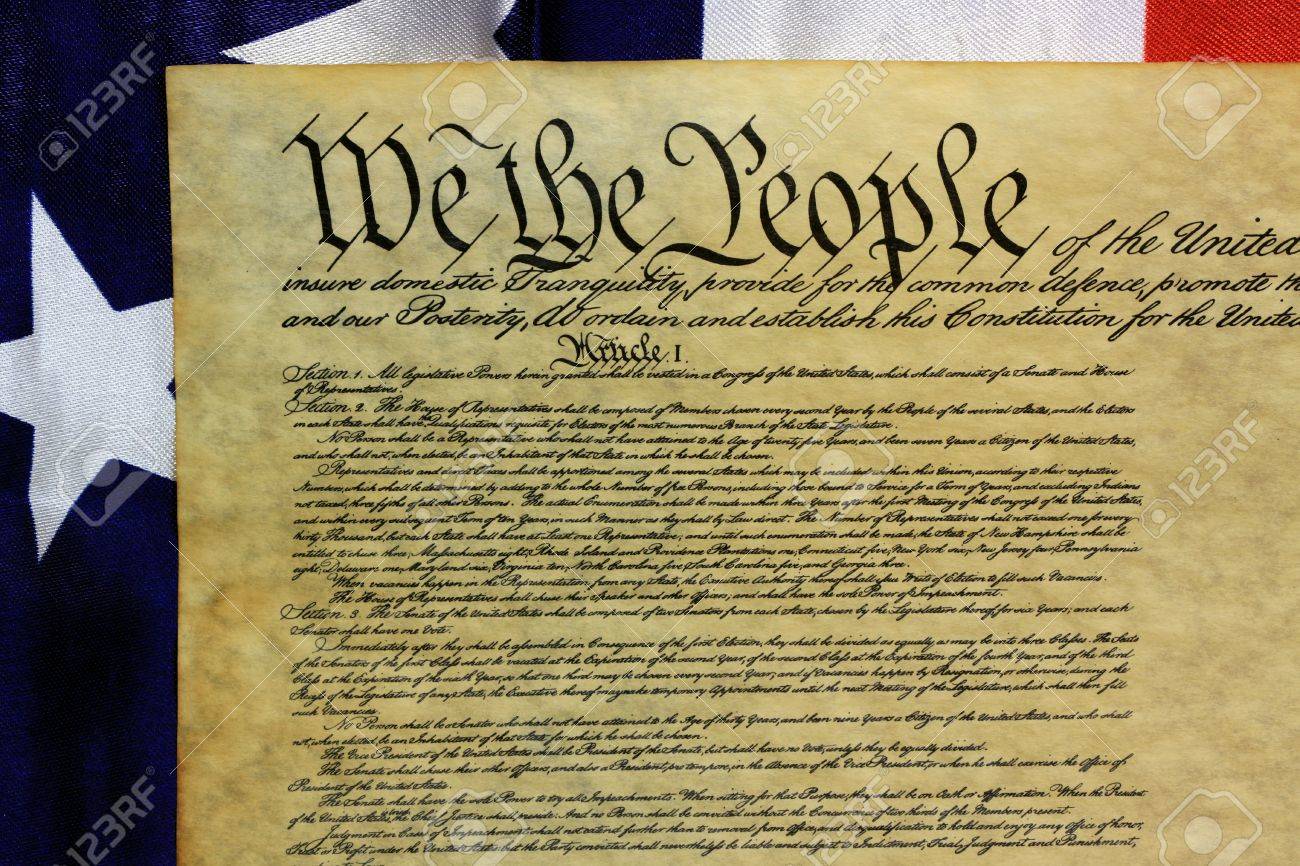
| The middle of the month Autumn 1787 | The Constitution was signedOn September 17, 1787 the constituion was signed that explained there was liberty for all. However, this did not include those that were slaves. |
Alexis Ballistreri |
| 1800 | The Library of Congress is FoundedThe Library of Congress, also known as the U.S. National Library, was founded in Washington D.C. in the year 1800. It was created for for the use and benefit of the members of Congress. It is the U.S.'s oldest federal cultural institution and also the largest library in the world. |
Jailyn Mitchell |
| 1801 to 1809 | Election of 1801Thomas Jefferson is elected the President of the United States and serves until 1809. |
Hannah Bhend |
| 1803 | U.S.S. Philadelphia is CapturedThe U.S.S. Philadelphia, with it's 300 member crew, is captured in the first Barbary War between the U.S. and north African pirate states. |
Jailyn Mitchell |
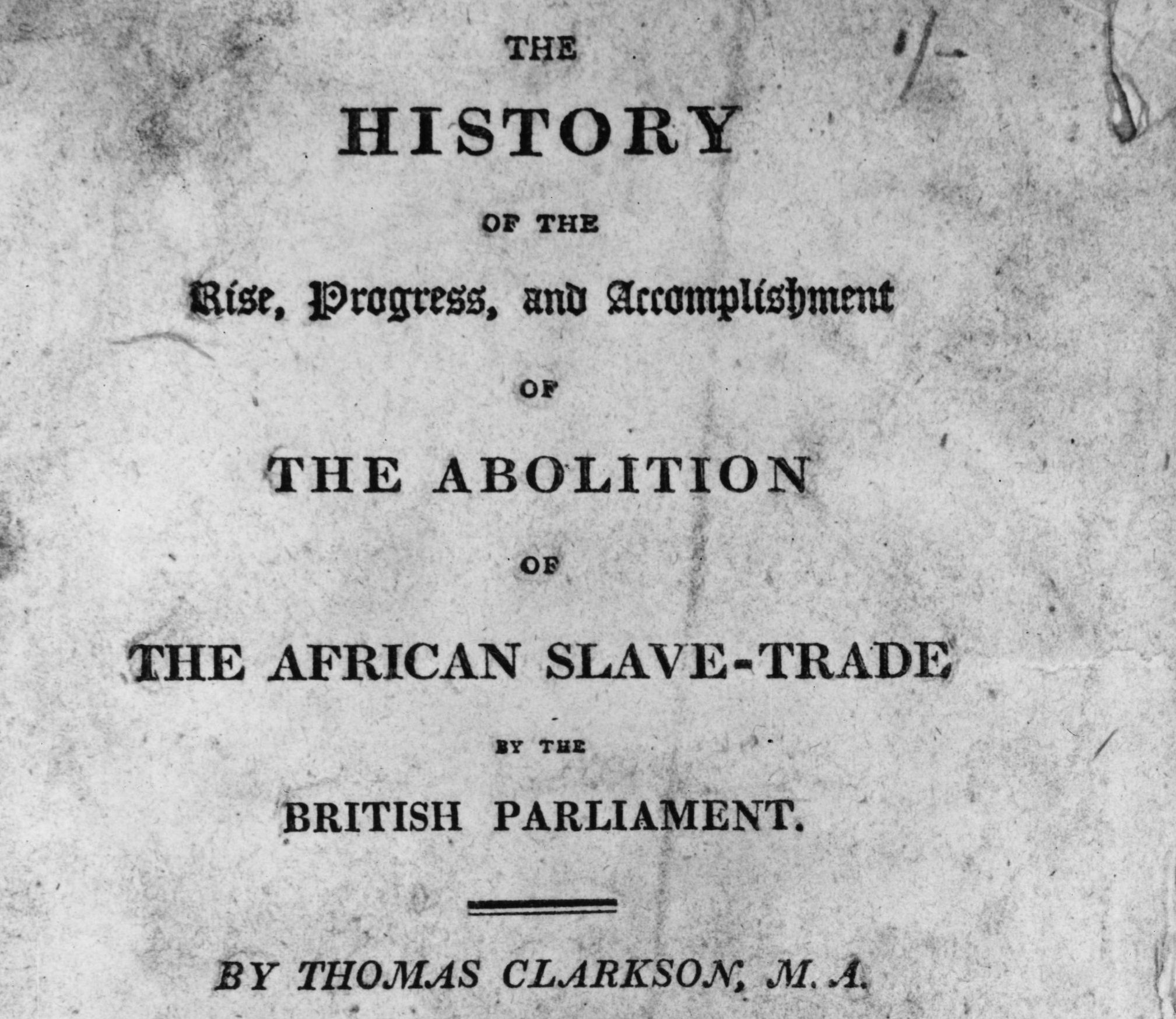
| 25 Mar 1807 | Abolition of the Slave Trade ActOn March 25, 1807 the abolotion of the Slave Trade Act was signed in the United Kingdom. A similar document was signed in the United States of America that same year called Act of Prohibitiing Importation of Slaves, which states no new slaves were to be imported. |
Alexis Ballistreri |
| 1808 | British Government Uses FreetownThe British government uses Freetown, in Sierra Leone, as a base in the fight against the slave trade. |
Jailyn Mitchell |
| 18 Jun 1812 | War of 1812 DeclaredThe tensions between the United States, Britain and France (in competition for westward land and with over overlapping trade embargos) boiled over when the US Congress signed the declaration of war, pushed into action by President Madison and war hawks. The war would last three years and result in the Treaty of Ghent. |
Sarah Osborne |
| 11 Sep 1814 | The Star Spangled Banner is writtenOne of the most notable events of 1812 was the writing of the star-spangled banner by Francis Scott Key, inspired by the American flag not falling during the British raid on Baltimore. While this was at first just a wartime propaganda piece, with Key not even being there as he heard about the battle through second-hand events, over the years this song has become an extremely important song to the American people. Showing the hardship and eventual overcoming of, many events that have brought America to its knees before. |
Jacob karan |
| 1815 | 1815 Stamp ActIn 1712, Britain imposed a tax on newspapers. This was, however, increased in 1815 to 4d (four pences), but at this time the average person could not afford the new 6d or 7d prices on newspapers, keeping journals circulating only with those with high salaries. Those that continued to sell their papers without paying this tax would be fined, and it would spark a fight to reduce the tax in 1836 until it was finally abolished in 1855. |
Jaxson Massott |
| circa. 1819 to circa. 1832 | Percy Byshee Shelley writes "Mask of Anarchy.""Mask of Anarchy" is written in 1819 by Shelley following the Peterloo Massacre. It is a call for freefom and a nonviolent resistance. |
Amanda Hilsinger |
| 1822 | John Limbird publishes 'The Mirror'Considered to be the father of English periodical writing by some, John Limbird publishes his periodical The Mirror which was famous for being the first cheap periodical that ran for longer than one to two seasons. It ran for twenty two years, before ending in 1844. |
Cole Siragusa |
| 1823 to 1841 | Leatherstocking TalesJames Fenimore Cooper published his best works, the Leatherstocking Tales. This was a five volume series that detailed the life of Natty Bumppo, a fictional frontiersman. |
Jess Amato |
| 1823 | Monroe DoctrineIn 1823, President James Monroe warned European powers not to attempt further colonization or otherwise interfere in the Western Hemisphere, stating that the United States would view any such interference as a potentially hostile act. The term 'Monroe Doctrine' was coined later on. |
Madalyn Keating |
| 16 Mar 1827 to 28 Mar 1829 | "Freedom's Journal" Begins PublicationThe first African American owned and operated newspaper in America. It was founded by Rev. John Wilk and other free Black men in New York City. At that time, New York City had the largest free educated Black population of any northern city. The paper's mission statement annouced that it would operate outside the control of "whites." The newspaper's objective, like many African American newspaper to come, was to promote Blacks' full realization of equality in American life. The intent of the newspaper was to provide a program of self-help and reform within the ranks of the free black population. Freedom's Journal was published weekly.
|
Anmol Patel |
| 28 May 1830 | Indian Removal ActOn May 28, 1830 the Indian Removal Act was allowed to made into law by Andrew Jackson. The passing of this law meant Jackson was legally allowed to force countless tribes out of their native lands. Use of the word "force" is an understatement as the Native American's connection to land was very important to them and disregarded by Jackson and his army that worked with/for him. |
John Notte |
| circa. 1831 | Underground RailroadThe first mention of the Underground Railroad by Tice Davids after escaping Kentucky into Ohio. The Underground Railroad was a network of routes and safe houses, assisted by abolitionists, to help slaves escape to free states. |
Georgia O'Leary |
| 1833 | "The Black Woman of the South: Her Neglects and Needs" Speech by Alexander CrummellAlexander Crummel, the rector of St. Luke's (African Episcopal church he founded in D.C.) delievered a speech with the title "The Black Woman of the South: Her Neglects and Needs." It was published by the Woman's Home Missionary Society of his own church. After the speech had been published, Crummel donated the proceeds from the 500,000 copies that were sold to build homes for black women. Some important quotes of his to keep in mind as to why he did this: "since the day of the emancipation hardly any one [had] lifted up a voice [on behalf of the] sisters and daughters of my race... In her girlhood all the delicate tenderness of her sex has rudely been outraged... From her childhood she was the victim of the grossest passions."
|
Anmol Patel |
| 28 Summer 1833 | Slavery Abolition Act of 1833This act made slavery illegal in most of the British Empire. Though slaves over the age of 6 were to become "apprentices". (Those younger than six were free.) Apprenticeships were ended in 1838 and 1840. This act was in connection to the Slave Trade Act of 1807, which banded slave trade in the British Empire. |
Liana Vazquez |
| 16 May 1835 | Felicia Dorothea Browne's Death DateFelicia Dorothea Browne (Mrs. Hemans) was an English poet, born in Liverpool. Her poem "I Dream of All Things Free" was published in The Slave's Friend. She married Mr. Hemans and had five sons.
|
Anmol Patel |
| 1836 | First Issue of "The Slave's Friend"In 1836, the first issue of The Slave's Friend appeared in publication. This anti-slavery periodical targeted children and intended to sway children in the North and South to join the abolitionist movement. Publication ceased in 1838 with Volume IV, most likely due to financial problems. |
Samantha Pagliuca |
| 1837 | Slave's Friend PublicationPublication of Salve's Freind ended in 1838, However before then in 1837 a total of 130,150 copies were circulated. |
Tatiana Nicheporuck |
| 28 Jun 1838 | Queen Victoria's CoronationVictoria was crowned Queen of the British Empire after her uncle's death (the year prior). This event marked the beginning of the Victorian era, a period of over sixty years that her reign lasted. |
Sarah Osborne |
| 17 Autumn 1838 | London- Birmingham railway line opensThis railway line launches Britain into cross-country travel and the boom of railway overall. |
Amanda Hilsinger |
| Autumn 1843 | Elizabeth Barret Browning's "Cry of the Children" is publishedPublished in August 1843 in an issue of Blackwood's Edinburgh Magazine. The image is from this magazine. |
Amanda Hilsinger |
| Aug 1843 | Elizabeth Barrett Browning’s “The Cry of the Children,” first appearanceIn August of 1843, Elizabeth Barrett Browning’ first released her writing “The Cry of the Children,” which first appears in Blackwood’s Edinburgh Magazine edition for the month. |
John Notte |
| 1845 | Edgar Allan Poe's The RavenEdgar Allan Poe, one of the most famous horror fiction writers, began his claim to fame. In 1845, his poem "The Raven" was published, putting him on the map as a famous poet. |
Jess Amato |
| circa. 1845 to circa. 1855 | Irish Potato Famine BeginsIn September, 60% of the nations food needs were related to the potato crop. The decimation of this crop caused starvation and illness to throughout Ireland. Blame has been associated with the lack of response from the British government. |
Amanda Hilsinger |
| 19 Jul 1848 | Women's Suffrage movement in America beginsOn this momentous day, the women's Suffrage movement in the US was launched with the opening of the Seneca falls convention, which sought to gain certain rights and privileges for women, notably the right to vote. This at first small smattering of people represented the growing resentment towards a lack of equal representation in America and they would not be silenced. |
Jacob karan |
| 1850 | The Scarlet LetterNathaniel Hawthorne was beginning to lead the charge in fiction in this point in time. In 1850, his most famous work, The Scarlet Letter, was published. |
Jess Amato |
| https://learn-us-east-1-prod-fleet01-xythos.s3.amazonaws.com/5f24646038059/3016034?response-cache-control=private%2C%20max-age%3D21600&response-content-disposition=inline%3B%20filename%2A%3DUTF-8%27%27Altick-Periodicals%2526Newspapers18511900.pdf&response | Stamp act RepealedIn 1855, the stamp act was repealed, this tax law ensured that newspapers where up to 7 times their cost. This only made sure that it was the wealthy that had access to information. Upon repeal, there was a boon of not only cheap newspapers but also of newspaper production, as many could turn the need for knowledge into a sustainable business. |
Jacob karan |
| 4 Jul 1855 | Publication of "Leaves of Grass" by Walt WhitmanWalt Whitman, an American poet, publishes Leaves of Grass in 1855. Leaves of Grass is a poetry collection that contains poems, each of which is loosely connected and represents the celebration of Whitman's philosophy of life and humanity. |
Samantha Pagliuca |
| 1860 | Election of Abraham LincolnIn the election of 1860, Abraham Lincoln became the 16th president of the United States of America. His presidential platform included opposition to the expansion of slavery to the American West, a stance that eventually led to the secession of the southern states from the Union. |
Samantha Pagliuca |
| 1861 to 1865 | Civil WarThe Southern states suceited from the Union to form their own country. The North wanted to restore the Union resulting in war being declared between the two sides. |
Nicole Leone |
| 1861 | Paper Duty AbolishedThe paper duty (tax) was abolished in 1861. This was the final act of the "war of the unstamped," in which people were imprisoned for ignoring duties starting in the 1830s. The press was relieved to have fewer financial restrictions. This also helped remove the "tax on knowledge". However, some believed this would lead to immoral results. |
Liana Vazquez |
| 1862 | Homestead ActThe Homestead Act provided that any citizen or soon-to-be citizen could claim 160 acres of government land. One was required to improve the plot by building a house and cultivating the land. |
Georgia O'Leary |
| 1862 | L'UnionThe first appearance of New Orleans L'Union was in 1862. It was the first black newspaper in the South. It was faced with threats and harassment by white people and its publication ended in 1864. It later became a bilingual newspaper called La Tribune de la Nouvelle Orleans.
|
Marissa Gonzalez |
| circa. 1862 | First Black Newspaper in the SouthL'Union, the first Black Newspaper in the South, is published in 1862. The newspaper expressed oposition to white racism and asserted their rights to self-determination. It was not easy for Blacks to publish newspapers in the south at this time. Many newspaper were short-lived and copies were not preserved for historians. |
Kassidy Montuoro-Germann |
| 1 Jan 1863 | Emancipation ProclamationOn January 1st, 1863, during the Civil War, President Abraham Lincoln put into effect an executive order that would free any slave in the Confederacy that crossed into Union territory. This order came to be famously known as the Emancipation Proclamation, and would become a major part of his Gettysburg Address speech ten months later. Picture: First Reading of the Emancipation Proclamation of President Lincoln, an oil painting by Francis Bicknell Carpenter. |
Cole Siragusa |
| 1865 | Freedman's BureauFreedman's Bureau was formed during Reconstruction to assist freed slaves in the South. |
Nicole Leone |
| 31 Jan 1865 | The 13th Amendment was ratifiedOn January 31, 1865 president Abraham Lincoln signed the 13th amendment which officially ended slavery in the United States of America. |
Alexis Ballistreri |
| 14 Apr 1865 to 15 Apr 1865 | Assassination of Abraham LincolnOn April 14th, 1865, just five days after the end of the Civil War, President Abraham Lincoln was assassinated by John Wilkes Booth during a showing of "Our American Cousin." He was shot with a derringer pistol, and the bullet lodged into Lincoln paralyzing him before it caused his death a day later on April 15th, 1865. Image: "The Martyr of Liberty," a photograph retrieved from the Library of Congress. |
Cole Siragusa |
| 1866 | Tennessee readmitted to UnionTennessee is the first state to be readmitted to the Union after the Confederacy's defeat in the Civil War. |
Georgia O'Leary |
| 1 May 1866 to 3 May 1866 | Memphis RiotThe Memphis Riot of 1866 took place due to hostile race relations as a result of the Civil War and reconstruction. Tennessee was the first state to be re-admitted to the Union following the war but the state remained severely divided on the issue of slavery regardless of the outcome of the war. Memphis also had a unique population of about 21,000 whites (Former Union soldiers, government agents, northern merchants, native southerners) and 14,000 blacks (primarily ex-slaves). The riot in 1866 took place as a result of an altercation between 6 Memphis police officers and a small group of people protesting the arrest of 2 members of the black community. 46 blacks were killed in the altercation and more than $50,000 worth of damage to black communtiy buildings took place. Partially because of the riot, Tennessee became a strong hold for the Ku Klux Klan.
|
Kassidy Montuoro-Germann |
| 1 May 1866 to 3 May 1866 | Memphis Riots 1866The riots and massacres occurred in Memphis Tennesee from May 1-3 1866. The riot involved 6 Memphis police officers who fired at a group of protesters who were speaking out about the arrest of 2 black community members. After the police fired at and injured some group members, the group fought back. The police and nearby groups of white people joined in the fight and beat down and killed many black protestors. The confrontation resulted in 46 black casualties and $50,000 worth of damages to black churches, schools, and homes. |
Hannah Bhend |
| 1870 | 15th Ammendment15th Ammendment establishes the right of African American males to vote. |
Nicole Leone |
| 1 Spring 1872 | Yellowstone National ParkYellowstone National Park is though to be the first national park establish in the world. At first the land was up for public auction or possible settlement, but Ferdinand Hayden (a geologist) wanted to protect the land for ecological reasons and future generations. Present Grant signed the Act of Dedication for people to take pleasure in the land. Yet, citizens near the park wanted mine, log, and hunt. Native Americans were pushed off the land as well. A battle for supremacy continued for years.
|
Liana Vazquez |
| 14 Summer 1877 to 4 Autumn 1877 | Great Railroad StrikeThe Great Railroad Strike took place in West Virginia after wages were cut for a third time. It was not on West Virginia who had wage issues, other cities such as Pennsylvania and New York went on strike. The National Guard and troops tried to contain the strikers and finally suppressed them. 100 people were killed during this "Great Upheaval". Workers had burned down facilities and railroad cars worth five to ten million dollars. Unions were organized in the 1880s. |
Liana Vazquez |
| 1880 | George NewnesIn 1880, George Newnes created a penny paper called Tit-Bits. It was a sixteen page compilation of segments from books, periodicals, and newspapers. There were also contributions from readers, allowing them to be published as well. |
Jess Amato |
| The start of the month Jan 1880 | Girl's Own Paper publishes first issueThe first issue of Girl's Own Paper is published in 1880 |
Georgia O'Leary |
| 1881 | Memphis Free Speech and HeadlightRev. Taylor Nightingale of Beale Street Baptist Church founded this black newspaper in 1881. The paper served as a place for Nightingale to project his militant reactions to the white attempts to reconstruction. Nightingale also used his church as a way to spread his newspaper and it's prospects. The paper itself cause controversy within the white community and between the clergy of Nightingale's church, it also accelerated racial disputes. |
Billie-Raquel Carter |
| 1884 | 1884- Wells brought lawsuit against Chesapeake and Ohio railroadWells brought lawsuit against Chesapeake and Ohio railroad for being removed from the first-class ladied coach that was occupied by white woman |
Alexis Ballistreri |
| Dec 1884 to Feb 1885 | Publication of "The Adventures of Huckleberry Finn" 1884Mark Twain publishes "The Adventures of Huckleberry Finn" in the United Kingdom in December 1884 and in the United States in February 1885. |
Hannah Bhend |
| 1 Jan 1887 | Year of Jubilee
Related ArticlesErika Rappaport, “Object Lessons and Colonial Histories: Inventing the Jubilee of Indian Tea” |
David Rettenmaier |
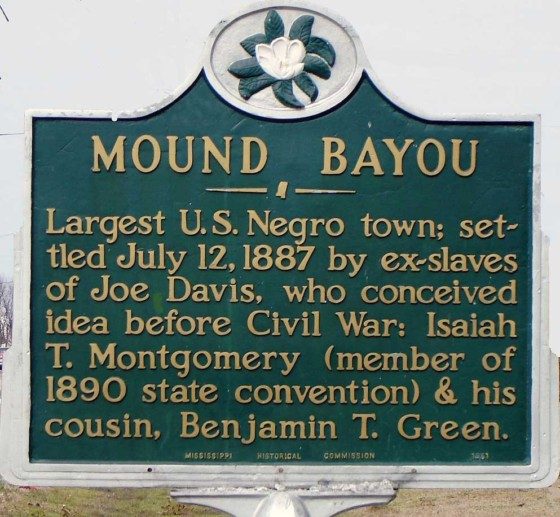
| 1887 | Mound Bayou, Miss., in Bolivar County foundedMontogomery founded the all-black town Mound Bayou, Miss., in Bolivar County with the help of the Illinois Central Railroad
|
Marissa Gonzalez |
| 1888 | 1888Fleming joined Nightingale in 1888 when he was forced to give up his own newspaper in Crittenden County, Arkansas . |
Dominique Pirozzi |
| 1889 to 1892 | Ida B. Wells controls The Memphis Free Speech and HeadlightWhile in control of this black-owned newspaper, Wells shaped much of its conscience through her outspoken beliefs. She took over this role from J.L Fleming. |
Sarah Osborne |
| 1890 to 1903 | Beneath the Mask of American National Identity: Whaling Narratives in Late Nineteenth-CenturyAn examination of how the movement of the whaling industry from the docks of New Bedford into the institution of the museum attempted to establish a sense of American national identity and how the whaling articles in the periodicals created counter-narratives. |
Alisa White |
| 29 Dec 1890 | Wounded Knee MassacreOn this date was a massacre of the Lakota tribe, with an estimated 250-300 Native Americans killed. This event did not mark the end of the tension against the Native Americans in the United States, but it is marked as the end of the "Indian Wars." Picture: A photograph of the mass grave that was dug for the Lakota tribe after they were massacred. |
Cole Siragusa |
| 14 Mar 1891 | New Orleans LynchingsOn March 14, 1891 one of the largest public lynching in American history took place in New Orleans. A large group of people invaded a prison and publicly murdered 11 out of 19 Italian Americans after 6 of them were exonerated for their crimes in a court of law. This lynching occured due to distrust/tensions held by the general public towards Italian's and their association with the mafia. |
John Notte |
| The start of the month Spring 1892 | 1892: End of riotMemphis’ most remembered incident of racial injustice . The riot ended with the lynching of three very popular and well recognized, African-American businessmen. |
Paige Benzing |
| 9 Mar 1892 | Catalyst of the Free Speech EditorialIda B. Wells' editorial for the Free Speech began with the lynching of three of her friends on this day's morning. |
Jaxson Massott |
| 27 May 1892 | "Free Speech" was destroyedThe destruction of Ida B. Wells' newspaper "Free Speech" was done by a white mob. This weighed heavily in Wells' mind and she wrote about the destruction in her diary. |
Anmol Patel |
| 1893 to 1894 | Ida B. Wells's Lecture Against Lynching in the British IslesIda B. Wells, an African American journalist, went on lecture tours of the British Isles in 1893 and 1894. While there, Wells worked with the white American writer, Albion W. Tourgée, and the British Quaker anti-imperialist, Catherine Impey. All three soughts to mobilize British public opinion against the U.S. national crime of lynching. Following her lectures, anti-lynching leagues were formed in Britain and the U.S. Sam Pagliuca |
Samantha Pagliuca |
| 17 Jan 1893 | Hawaiian Monarchy OverthrownHawaii's last monarch, Queen Liliuokalani, was forced to abdicate by a group of buisnessmen and sugar planters backed by the US. When the Queen wanted to restore rights to native Hawaiians, the group of men formed the Committee of Safety who wanted to overthrow the monarch and seek annexation from the US. Faced against the committee and 162 US Marines and Navy sailors, the queen surrendered peacefully in order to avoid violence. |
Jaxson Massott |
| 15 Feb 1898 | USS Maine Sinks
On this date, the USS Maine exploded in Havana Harbor, killing 268 sailors. While little evidence supports the idea that Spain caused the incident, suspicions at the time (as part of pre-war tension), alongside yellow journalism surrounding the event, helped propel the countries into the Spanish American war.
|
Sarah Osborne |
| 12 Jul 1898 | Hawaii AnnexedFollowing the coup of the Hawaiian monarchy and a flimsy attempt to reinstate the queen and the Committee of Safety formed a provisional government, the queen formally agreed to abdicate and dissolve the monarchy. Then, Hawaii finally became annexed to the United States via the Joint Resolution despite controversey, although it would be a territory and not a state until 1959. |
Jaxson Massott |
| 4 Feb 1899 to 2 Jul 1902 | Philippine-American War Begins 1899The US government determines that the First Philippene Republic objected to terms of the treaty of Paris and waged a war on them. The war began on February 4, 1899, and lasted until July 2, 1902. |
Hannah Bhend |