
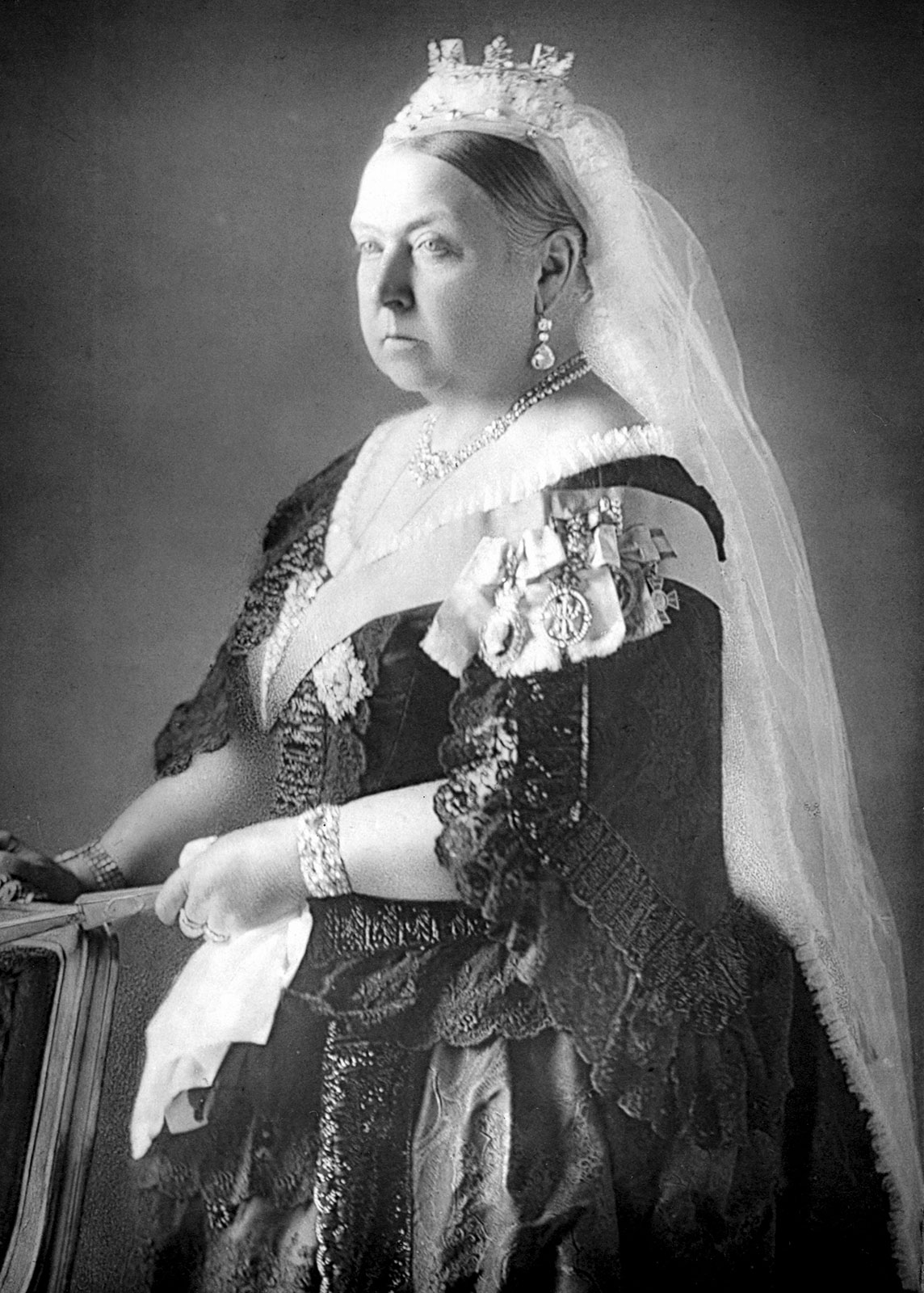
Queen Victoria became queen of the United Kingdom in 1837, and her reign lasted until her death in 1901, which was longer than any monarch before her. Her reign was incredibly influential, and the era was given her name—The Victorian Age. Victoria was said to have had little interest in social issues and to have resisted technological change, despite the rapid social and technological change of the era. Victoria was determined to hold onto political power, yet it was during her reign that the British monarchy began to lose power and to take on a ceremonial role. Most importantly, Victoria’s reign was known for a massive expansion of the British Empire, and she was given the additional title of Empress of India in 1876. Mill spent most of the latter part of his life living under her reign, and would have been witness to the empire’s expansion as well as the monarchy’s loss of power and control. This is especially notable as Mill was a long-time employee of the East India Company, and was knowledgeable on the subject of English rule in India, so these changes would have affected him not only politically, but personally, as the government under Victoria was to take over from the East India Company.
Sources:
“Victoria.” Encyclopædia Britannica, Encyclopædia Britannica, Inc., 18 Jan. 2021, www.britannica.com/biography/Victoria-queen-of-United-Kingdom.
Kirsty.Oram. “Victoria (r. 1837-1901).” The Royal Family, 3 Feb. 2021, www.royal.uk/queen-victoria.