
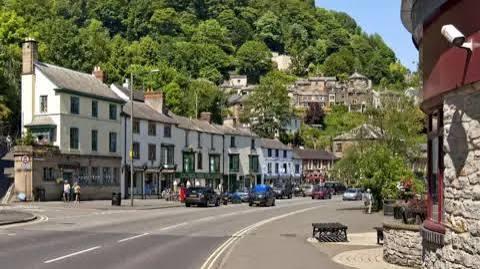
Denver, Colorado (Anna Tesmer)
Denver, Colorado is significant to Frankenstein because that is where famous horror film actor Dwight Fry was raised. Dwight Fry was orginally born in Salina, Kansas, but moved to Colorado when he was a young boy. In Denver, he found interests in music and theater. Fry had exclusive interest in paino and violin and really didnt start his acting career until age 18; when he joined the Denham Stock Company in Denver, which set him up with his path of success to New York and later on, Hollywood.
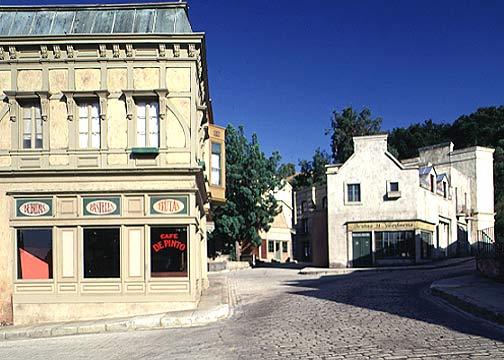
Theo Farmer - Scotland
Scotland is significant to Jane Eyre because the Anglo-Scottish border is where Helen Burns claims to be from (Brontë, 82). For this, though, I chose to focus on the Abbotsford House, which was the house of one of Brontë's greatest inspirations in writing whom she visited in 1850 after Jane Eyre was published. Scott was an instituion for the Brontë sisters, inspiring a lot of the romanticism in the novels they would write in adulthood. This house, the home of Sir Walter Scott, is the kind of house we were all probably picturing when reading about Gateshead or Thornfield.
London, England (Sydney Carroll)
London, England is to "Frankenstein" because it was where the first edition "Frankenstein" was written and the first adaptation was performed. I found this information from an academic magazine. This source is an example of consumer v.s participatory culture because only professional writers and staff journalist can contribute to it. Mapping this location on COVE lets my classmates build on what I had found out.
Kenneth Strickfaden's Garage (Kiersten Anadore)
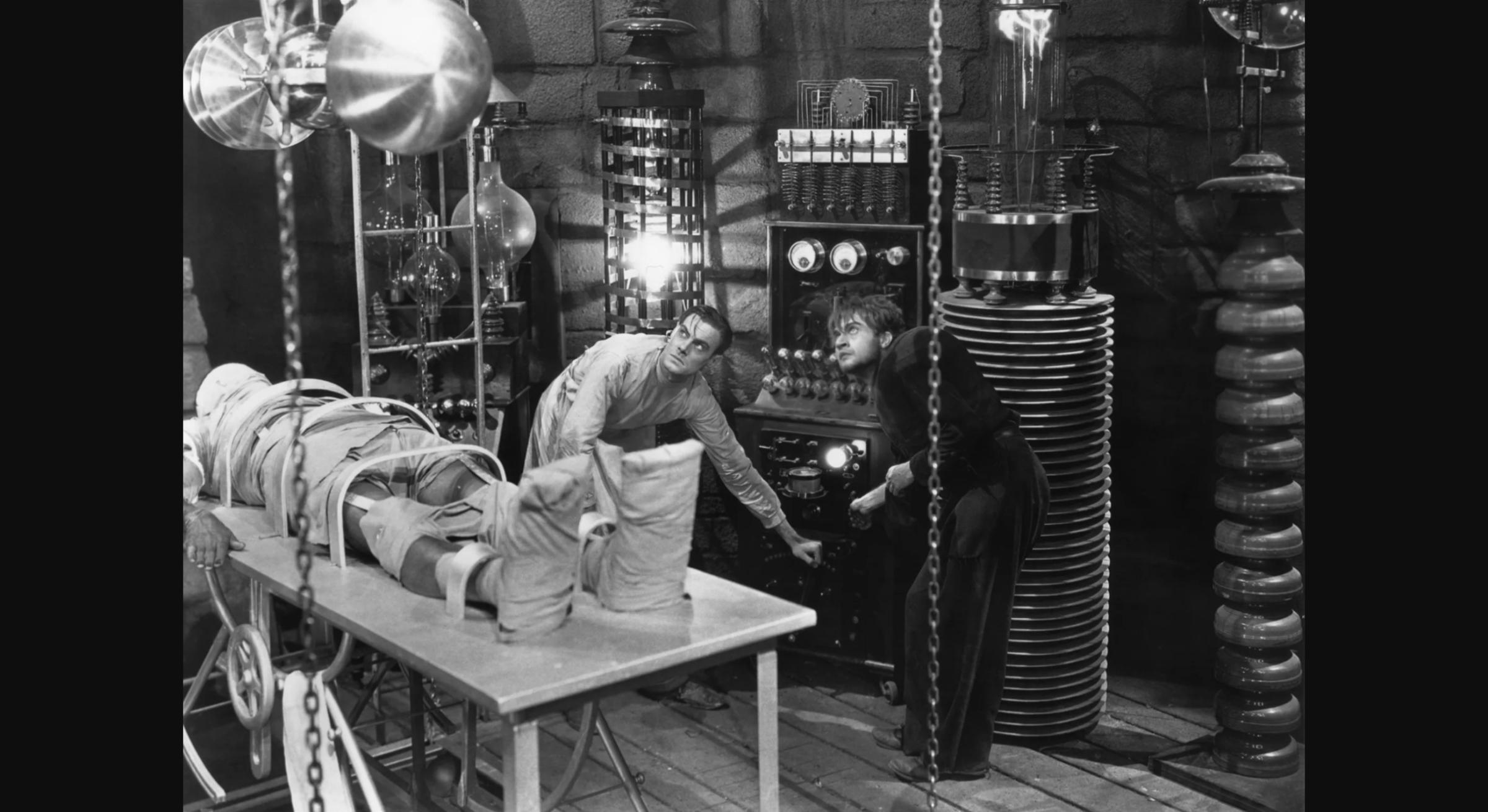 Kenneth Strickfaden's Garage in Santa Monica, California, is significant to Frankenstein because it's where the original laboratory equipment that was used in the 1931 film is stored and was later used in the 1974 young frankenstien. I found this information from an online film database.
Chicago
Chicago, Illinois, is significant to Frankenstein because the producer of the film, Carl Laemmle Jr., is from this city. Carl Laemmle Sr., Carl Laemmle Jr.'s father, was a film mogul who opened the first motion picture theatre in Chicago before later opening nickelodeons. After his move to New York, Carl Sr. opened the largest motion picture production facility, Universal Studios Hollywood. Carl Jr. took after his father and went into the film industry and became a popular film producer during 1928-1936 before later being fired for overspending and bad management of Universals finances.
Marilyn Harris: San Fernando, CA (Kait Carini)
San Fernando California is significant to Frankenstein because this is where Marilyn Harris was born, placed into an orphanage, and then forced into the film industry by her adopted parents. Harris once said her adopted mother forced her into the industry because of her own failed acting career. Although most of her work was done in Los Angeles for Frankenstein and other notable works like Rin Tin Tin, San Fernando is where her career began.