
British West Indies- Safia El Bouathmani
British West Indies is significant to Jane Eyre because it stands as the means through which Rochester’s family obtained their wealth. This information comes from a research journal titled “Analysis of Jane Eyre from the Postcolonial Perspective.” This location illustrates colonization and empire because it reveals to the reader that Mr. Rochester’s wealth is connected to plantation exploitation occurring in the West Indies.
Theo Farmer - Ganges River
The Ganges River is significant to Jane Eyre as it is mentioned in chapter 34 when St.
Ayla Butler: Naples
Naples is significant to Jane Eyre because it represents two juxtaposing ideas: beauty and temptation. This information comes from the academic blog: "Re-thinking Tourism: visitors to nineteenth-century Naples and the consumption of feeling." Within the novel, Naples represents the two sides of marriage. In chapter 24, Mr. Rochester tells Jane that they will go to Naples for their honeymoon. In this context, Naples represents a beautiful place where Jane will enjoy bliss and constant tranquility after she gets married. In chapter 27, Mr.
Martinez: Vienna
Vienna is significant to Jane Eyre because it's where Mr. Rochester offers to take Jane, along with numerous other places, for their honeymoon. He explains how he travelled across Europe ten years ago "half mad; with disgust, hate, and rage as my companions" but he will revisit it "healed and cleansed, with a very angel as my comforter" (Brontë 233).
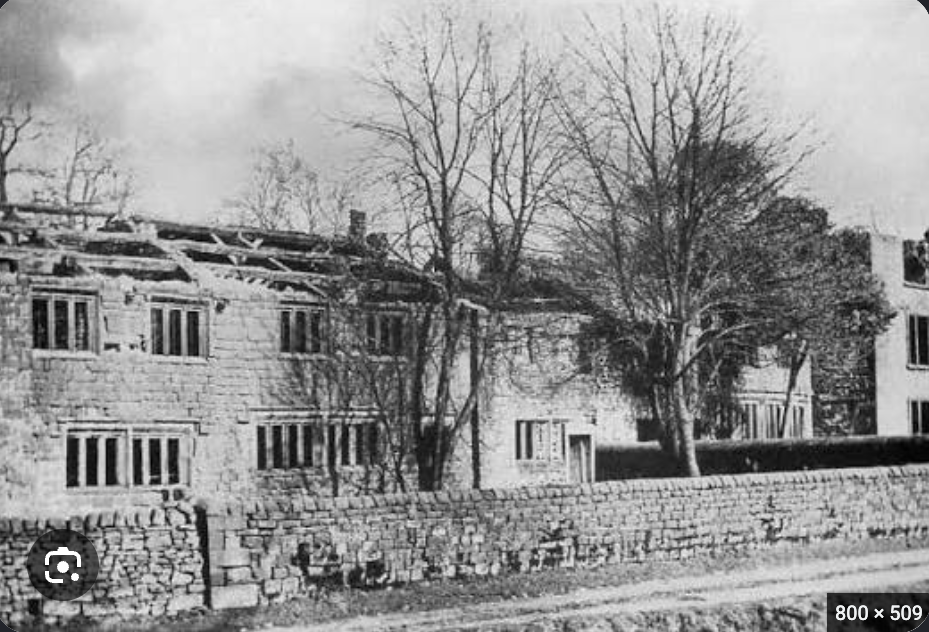
Leland Moore - English Channel
The English Channel is significant to Jane Eyre because it represents the distance between Mr. Rochester and Jane Eyre emotionally. Both times it is mentioned in the story, it is used as a long distance that Jane and Mr. Rochester are on opposite sides of, showing how disconnected they are at different points in the story.
Marseilles - Catherine Cowan
During the novel in chapter 31 Jane mentions Marseilles, she says, "Whether is it better, I ask, to be a slave in a fool's paradise at Marseilles--fevered with
Azzarella: Marsh End/ Moor House
Moor House (also called Marsh End) is is significant to Jane Eyre due to this being where Jane found biological family, financial independence, and the strength to resist a stifling marriage before returning to Rochester as an equal. The names of these locations act as dual symbols; the "marsh end" signifies the final termination of her prolonged wandering and misery, while the "moor" suggests open space, clarity, and a solid mooring before her final reunion with Rochester at Ferndean.
Venice, Italy (Santa Ana)
Venice is significant to Jane Eyre because Rochester holds a lot of power and knowledge of the world, especially since he's had lots of experience travelling the world. He tells Jane that once they're married, they will travel to "Paris, Rome, and Naples: at Florence, Venice, Vienna."