Key Events: EBB and the Road to Abolition
Created by Emily Crider on Mon, 01/27/2025 - 10:22
Part of Group:
This timeline tracks key events in the life of Elizabeth Barrett Browning, her anti-slavery poetry, and the fight for abolition across the British Empire and the United States. In doing so, it contextualizes EBB and her work within the scope of nineteenth-century sociopolitics and culture, charting historical moments of overlap and divergence between the two.
Timeline
Chronological table
| Date | Event | Created by | Associated Places | |
|---|---|---|---|---|
| 22 Jun 1802 |
Criminal Jurisdiction Act passed
Articles |
Dave Rettenmaier | ||
| 6 Mar 1806 |
Birth of Elizabeth Barrett Browning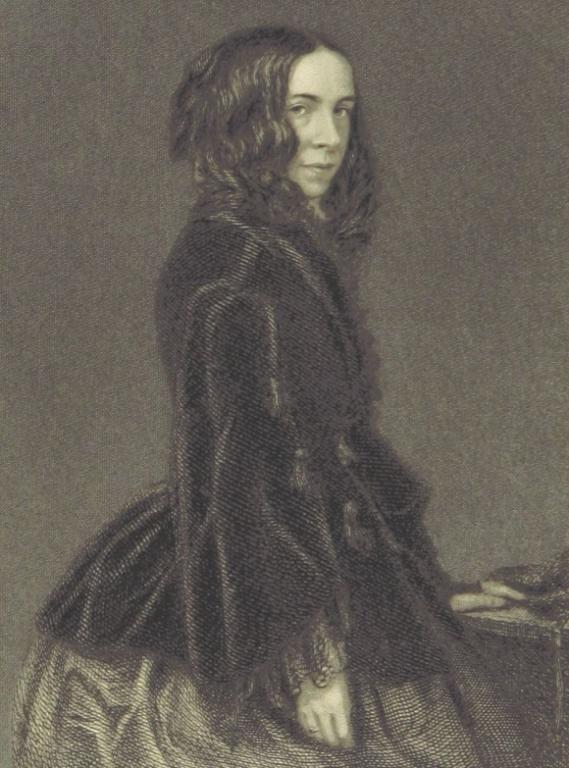 On 6 March 1806, Elizabeth Barrett Browning was born as Elizabeth Barrett Moulton-Barrett in Coxhoe, County Durham, England. Her parents were Edward Barrett Moulton-Barrett, a son of the landowning "Barretts of Jamaica," and Mary Graham Clarke, whose family also benefitted from slave labor and the sugar trade in the West Indies. EBB would go on to become one of the most celebrated poets of the Victorian period and is now most known for her collection Sonnets from the Portuguese and verse novel Aurora Leigh. |
Emily Crider | ||
| 25 Mar 1807 |
British Slave Trade Abolished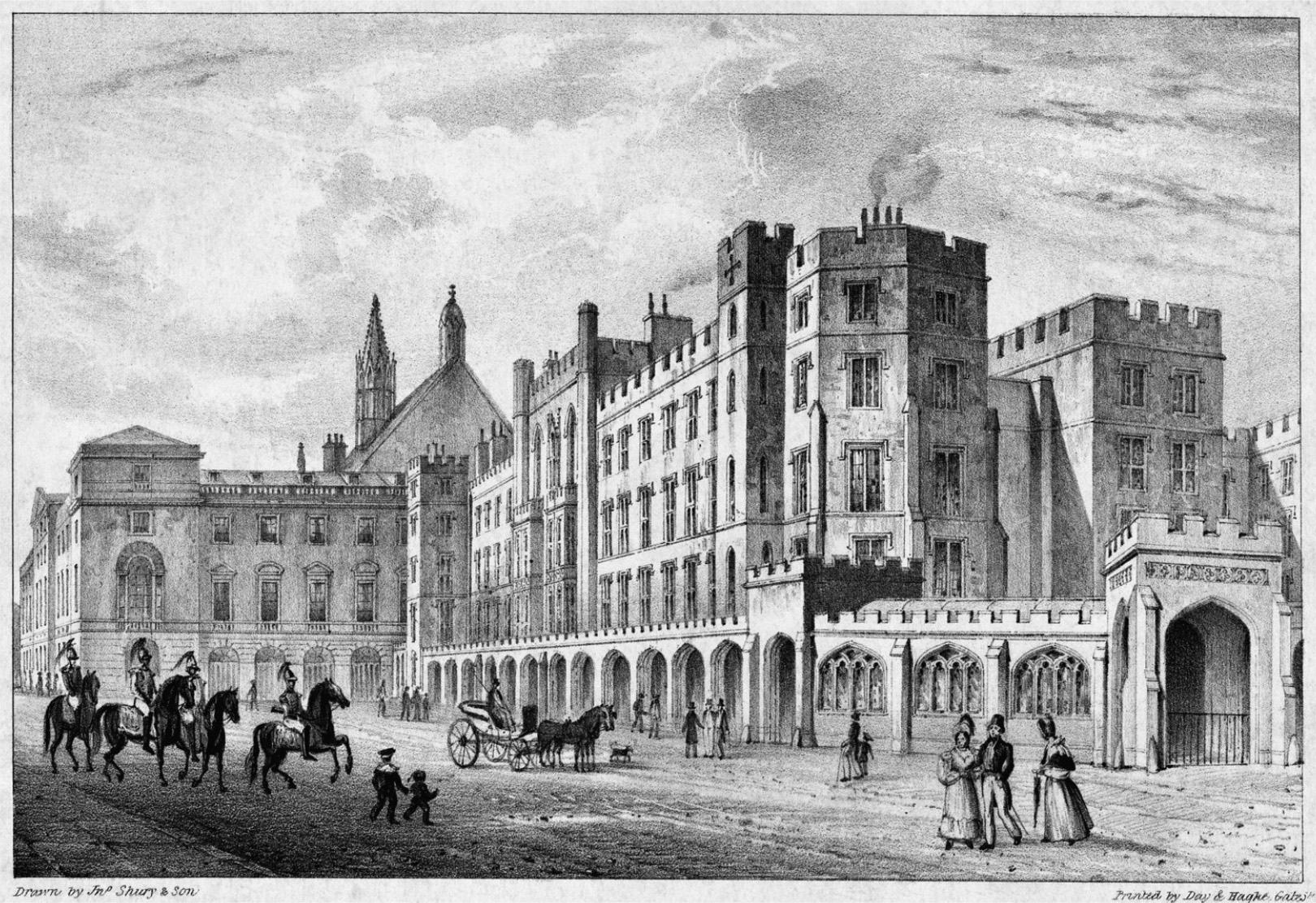 The Palace of Westminster, Drawn by J. Shury & Son, Printed by Day & Haghe In a development inspired by the testimonies of enslaved and formerly enslaved campaigners such as Ignatius Sancho and Olaudah Equiano, as well as British abolitionists like Thomas Clarkson and William Wilberforce, the official Act of Parliament abolishing the British slave trade was passed on March 25, 1807, to begin on May 1st of that year. Though landowners were still permitted to use their existing enslaved labor force (slavery itself wouldn't be officially outlawed in the British Empire until 1833 with the passage of the Slavery Abolition Act), this marked the first major success in the campaign to end slavery in the British Empire. |
Emily Crider | ||
| circa. 1820 to circa. 1822 |
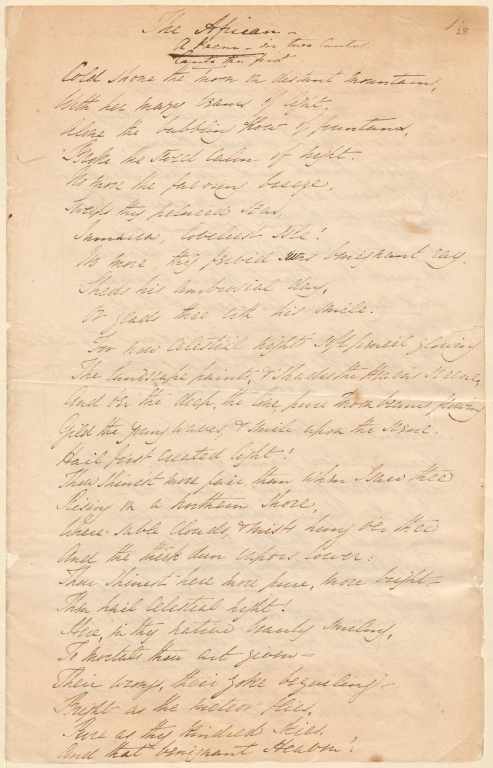
Elizabeth Barrett Barrett Writes "The African"It is estimated that Elizabeth Barrett Barrett (later, Browning) wrote "The African," the first and longest of her poems about slavery, when she was in her early teens. The narrative poem, which remained unpublished until 2010, is based on an account shared with her by Richard Barrett, a family cousin and plantation owner in Jamaica. First page of "The African" manuscript. |
Emily Crider | ||
| 31 Jan 1823 |
Founding of the Anti-Slavery SocietyAlso known as the Society for the Mitigation and Gradual Abolition of Slavery Throughout the British Dominions and, later, the London Anti-Slavery Society, the Anti-Slavery Society was founded with the purpose of advocating for the eradication of slavery in the British Empire. Following the passage of the Slavery Abolition Act of 1833, a new organization, the British and Foreign Anti-Slavery Society was formed in its place, shifting the focus to abolition on a global scale. |
Emily Crider | ||
| 25 Dec 1831 to 5 Jan 1832 |
The Baptist War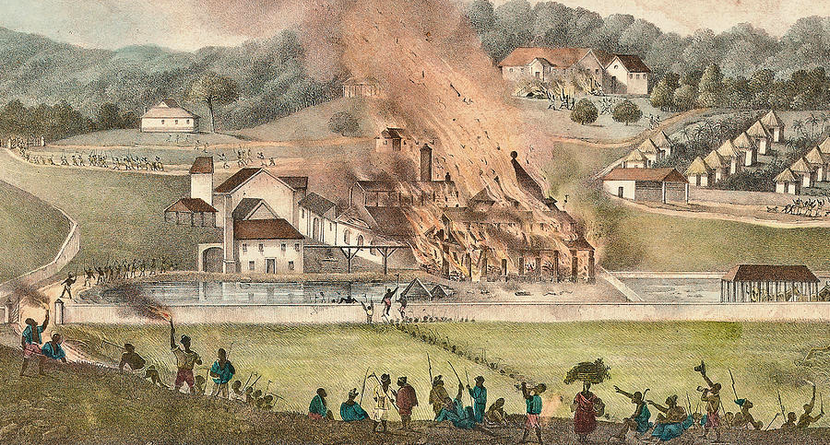 Adolphe Duperly, The Destruction of Roehampton Estate. 1832 Lasting from Christmas day in 1831 until its eventual suppression on January 5, 1832, the Great Jamaican Slave Revolt was led by Black Baptist preacher Sam Sharpe. The uprising began as a strike centered on demands for increased wages but became violent on December 27th with the burning of the Kensington Estate in Montego Bay. Despite a crucial victory early on due to stockpiled weapons and ammunition, the enslaved workers' cause was weakened when martial law was enacted on December 31st, and the forces surrendered entirely by January 5th. The uprising became one of the largest in the West Indies, involving nearly 60,000 members (or 20%) of the island's enslaved population. By the end of the fight, rebel forces had set fire to over 100 properties. There were no deaths on the side of the colonial military and over 500 on that of the enslaved Jamaicans--207 killed during the revolt and another 310 to 340, including Sharpe, executed afterward. Despite the defeat of the enslaved population, the revolt played a crucial role in furthering abolitionist causes across the British Empire, as seen in the passage of the Slavery Abolition Act in August of the following year. |
Emily Crider | ||
| 7 Jun 1832 |
Great Reform Act of 1832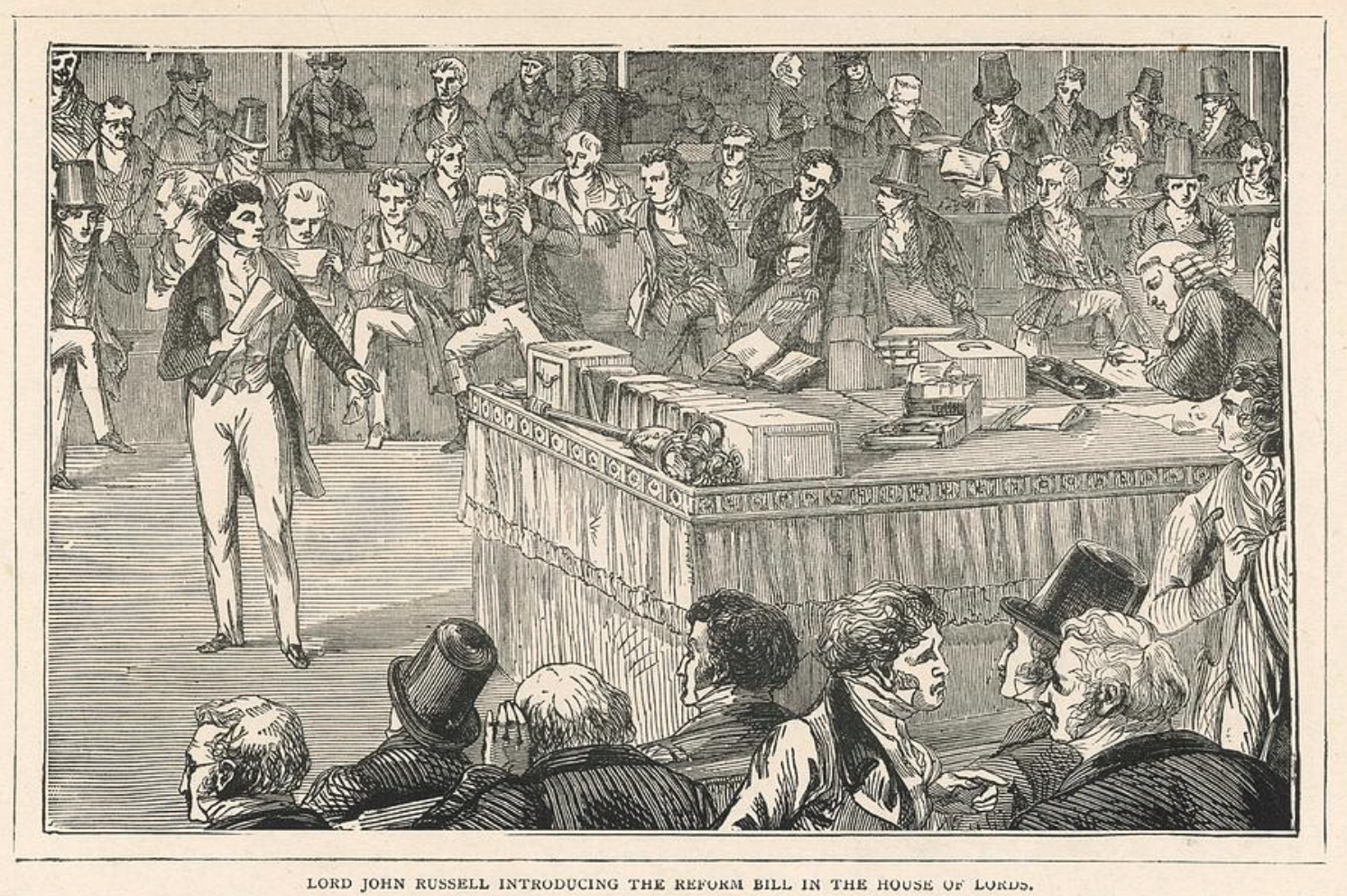 The first Reform Bill aimed to address inequalities in voting and governmental representation between rural and urban areas of England. Industrial cities like Manchester and Birmingham, whose populations were rapidly increasing, found themselves underrepresented in parliament, stifled by the larger number of representatives allowed from less populated rural regions, called “rotten boroughs.” By redistributing seats and altering electoral qualifications to include smaller property owners, the Act effectively strengthened alignment between the upper and upper-middle classes while maintaining a social hierarchy predicated upon the possession of land. Despite increasing the total English electorate by 217,000 people, it not only excluded men from the working and lower-middle classes, but also prohibited all women from voting. For more information, please see Carolyn Vellenga Berman's BRANCH article, "On the Reform Act of 1832." |
Emily Crider | ||
| 1833 |
Elizabeth Barrett Barrett Publishes "The Appeal"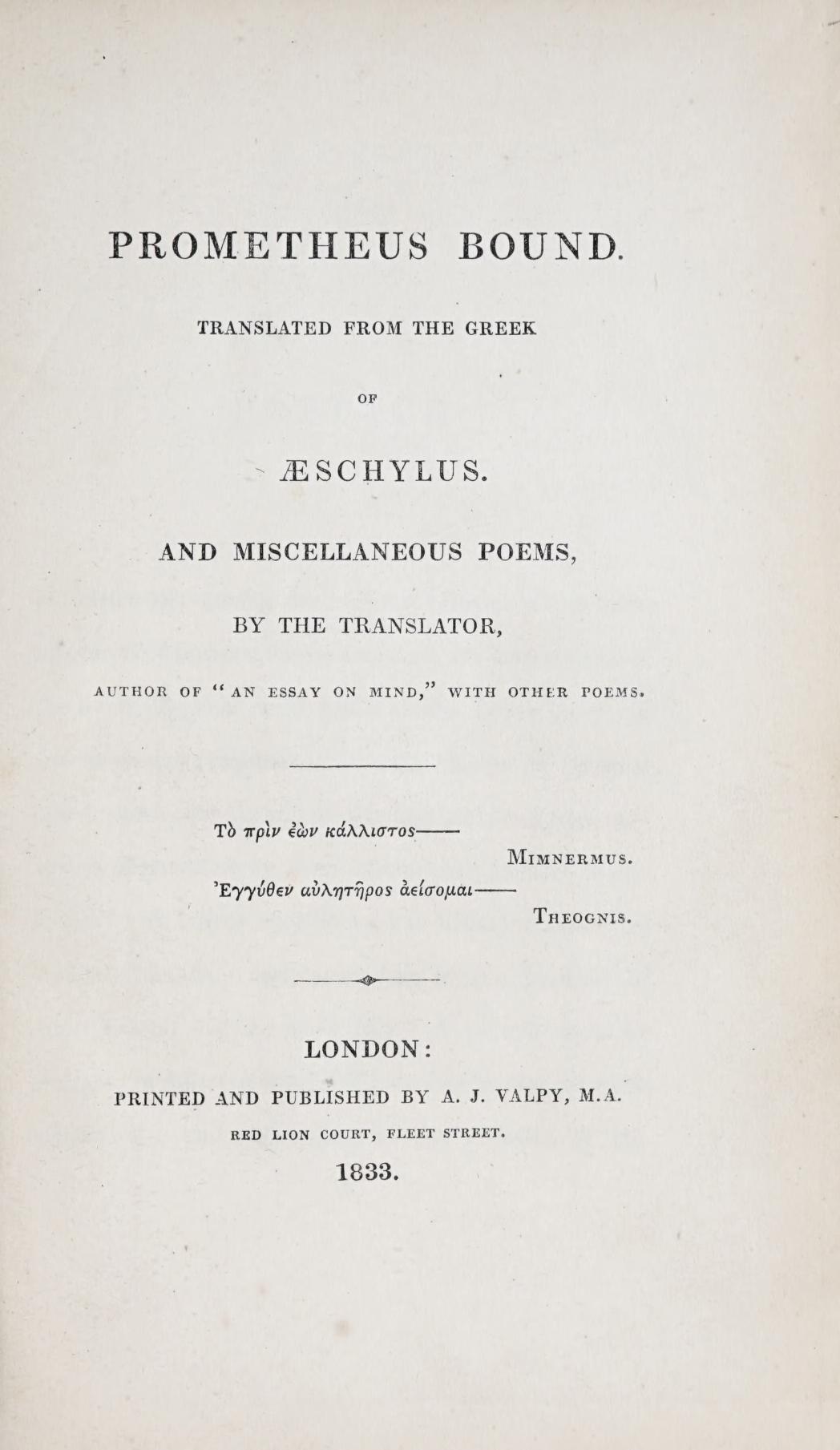 The title page of Prometheus Bound. In 1833, Elizabeth Barrett Barrett (later Browning) published "The Appeal," the second of five poems about slavery that EBB wrote throughout her life, for the first and only time. EBB published the volume in which it appeared, titled Prometheus Bound, translated from the Greek of Æschylus, and Miscellaneous Poems by the Translator, anonymously. Notably, the poem's 1833 publication aligns it with the passage of the Slavery Abolition Act, which outlawed slavery across the British Empire. |
Emily Crider | ||
| 29 Aug 1833 |
Slavery Abolition Act
Articles |
Dave Rettenmaier | ||
| 1841 to 1843 |
Hiram Powers Sculpts "The Greek Slave"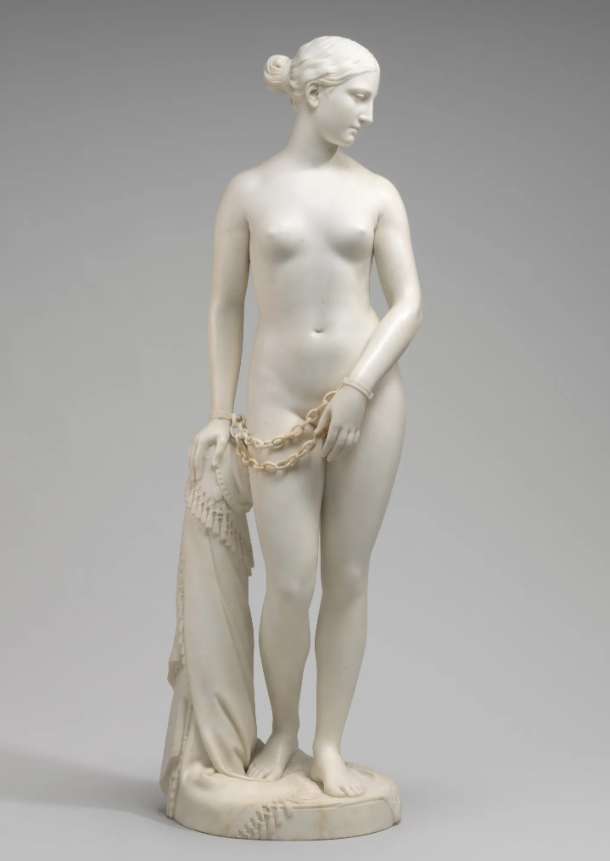 The Greek Slave. Though American sculptor and artist Hiram Powers created the Greek Slave as a representation of Turkish atrocities committed during the Greek War of Independence (1821-1829) from the Ottoman Empire, it quickly came to represent commentary on slavery in the United States. In the late 1840s and early 1850s, the statue was shown in London (including the Great Exhibition of 1851) and various U.S. cities to mixed reactions, largely resulting from his depiction of the woman's nude form. |
Emily Crider | ||
| 1845 |
Frederick Douglass Publishes "Narrative of the Life of Frederick Douglass"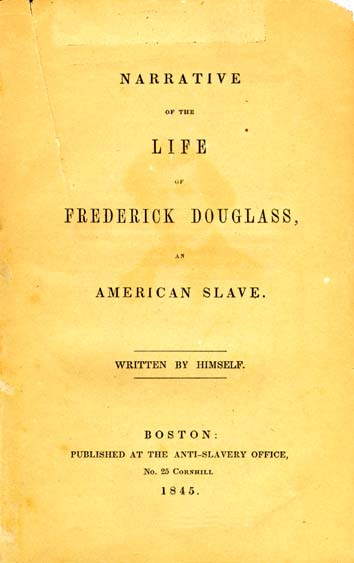 Often considered among the most well-known and influential abolitionist texts in the United States, Narrative of the Life of Frederick Douglass details the life and abolitionist work of Frederick Douglass, who was born into slavery in Maryland in 1817 or 1818. After suffering under twenty years of violence and forced labor—ranging from work in the fields of Maryland to Baltimore's shipyards—Douglass escaped to freedom in New York City in 1838. Though Narrative of the Life of Frederick Douglass received much praise, Douglass feared recapture by his former enslaver and spent two years in Britain and Ireland until he was able to buy his freedom with the monetary support of those he met abroad. He died at the age of 77 or 78 in 1895. |
Emily Crider | ||
| 12 Sep 1846 |
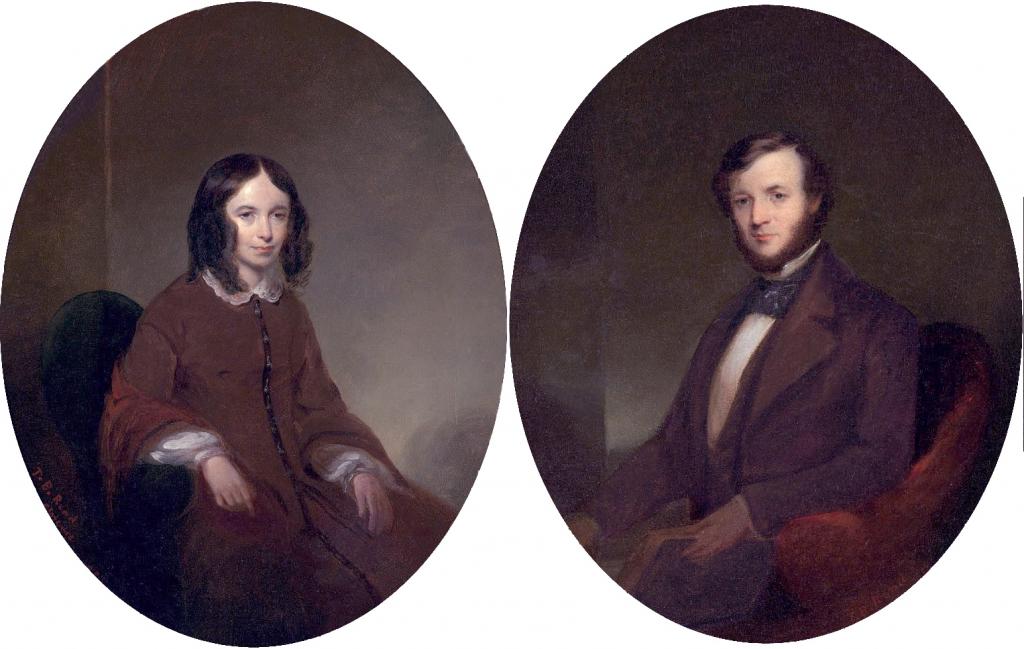
Elizabeth Barrett Barrett Marries Robert BrowningThe romance between Elizabeth Barrett Browning and Robert Browning began via letters, when Browning wrote to express his admiration for EBB's Poems (1844) in January 1845. Because EBB's father disapproved of their relationship, the couple married in secret on September 12, 1846, at a chapel near Wimpole Street while EBB's family was away. They then moved to Italy and eventually settled at Casa Guidi where they lived until their deaths.
|
Emily Crider | ||
| circa. 1847 |
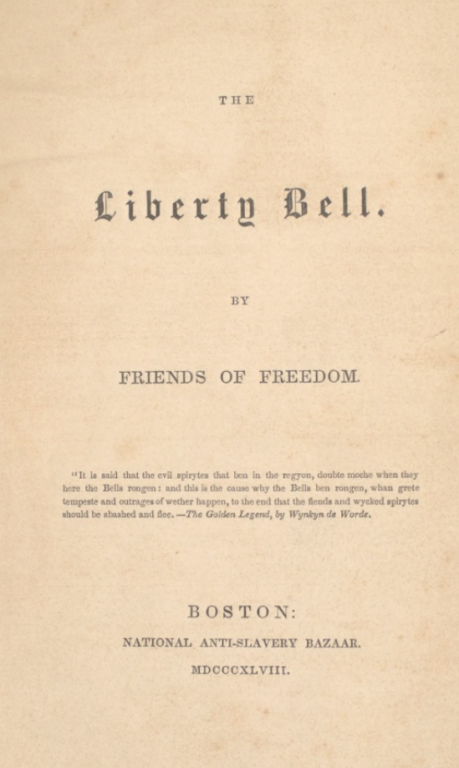
Elizabeth Barrett Browning Publishes "The Runaway Slave at Pilgrim's Point"Elizabeth Barrett Browning first published "The Runaway Slave at Pilgrim's Point" in December 1847, as an invited contribution to the 1848 issue of the Boston-based abolitionist annual The Liberty Bell. The third of five poems about slavery that EBB wrote throughout her life, "The Runaway Slave" is the first of these works to directly address the issue of slavery beyond the scope of the British Empire, focusing specifically on slavery in the United States through the perspective and voice of a woman who has escaped from a plantation after killing her child—a product of rape by her enslaver. EBB addressed the intensity of the poem's content in an 1846 letter: "I am just sending off an anti-slavery poem for America .. too ferocious, perhaps, for the Americans to publish: but they asked for a poem & shall have it" (BC, 21 Dec. 1846, EBB, no. 2643). EBB would go on to publish the poem (with some variations) in her editions of Poems (1850, 1853, 1856). Title page of the 1848 volume of The Liberty Bell. |
Emily Crider | ||
| Dec 1849 |
Carlyle's "Negro Question"
Articles |
Dave Rettenmaier | ||
| 26 Oct 1850 |
Elizabeth Barrett Browning Publishes "Hiram Powers' Greek Slave"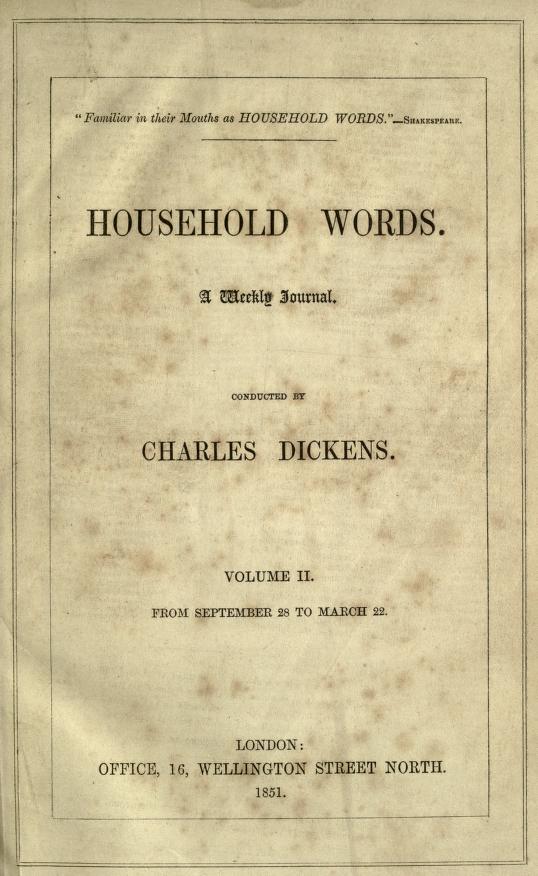 Title page of the first volume of Household Words. Elizabeth Barrett Browning originally published "Hiram Powers' Greek Slave" in the second volume of Charles Dickens's Household Words. The poem considers The Greek Slave, a statue sculpted by American artist Hiram Powers, with whom she and Robert Browning were acquainted and near-neighbors in Florence. Because the statue was, at the time of the poem's inception, being displayed across the U.S. and Britain, it is likely that EBB saw a model cast of the statue for herself at Powers's studio in early 1847. "Hiram Powers' Greek Slave" is the fourth of the five poems EBB wrote about slavery and is primarily responsible for shifting the statue's popular context away from that of the Greek War of Independence that had initially inspired Powers' work and towards broader questions of morality surrounding slavery abroad in the United States. |
Emily Crider | ||
| 1 May 1851 to 15 Oct 1851 |
Great Exhibition
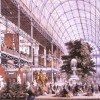
The Great Exhibition of 1851 was an event in the history of: exhibitions; world’s fairs; consumerism; imperialism; architecture; collections; things; glass and material culture in general; visual culture; attention and inattention; distraction. Its ostensible purposes, as stated by the organizing commission and various promoters, most notably Prince Albert, were chiefly to celebrate the industry and ingeniousness of various world cultures, primarily the British, and to inform and educate the public about the achievement, workmanship, science and industry that produced the numerous and multifarious objects and technologies on display. Designed by Joseph Paxton, the Crystal Palace (pictured above) was a structure of iron and glass conceptually derived from greenhouses and railway stations, but also resembling the shopping arcades of Paris and London. The Great Exhibition of the Works of Industry of All Nations became a model for World’s Fairs, by which invited nations showcased the best in manufacturing, design, and art, well into the twentieth century. ArticlesAudrey Jaffe, "On the Great Exhibition" Related ArticlesAviva Briefel, "On the 1886 Colonial and Indian Exhibition" Anne Helmreich, “On the Opening of the Crystal Palace at Sydenham, 1854″ Anne Clendinning, “On The British Empire Exhibition, 1924-25″ Barbara Leckie, “Prince Albert’s Exhibition Model Dwellings” Carol Senf, “‘The Fiddler of the Reels’: Hardy’s Reflection on the Past” |
Dave Rettenmaier | ||
| 5 Jun 1851 to 1 Apr 1852 |
Harriet Beecher Stowe serializes "Uncle Tom's Cabin"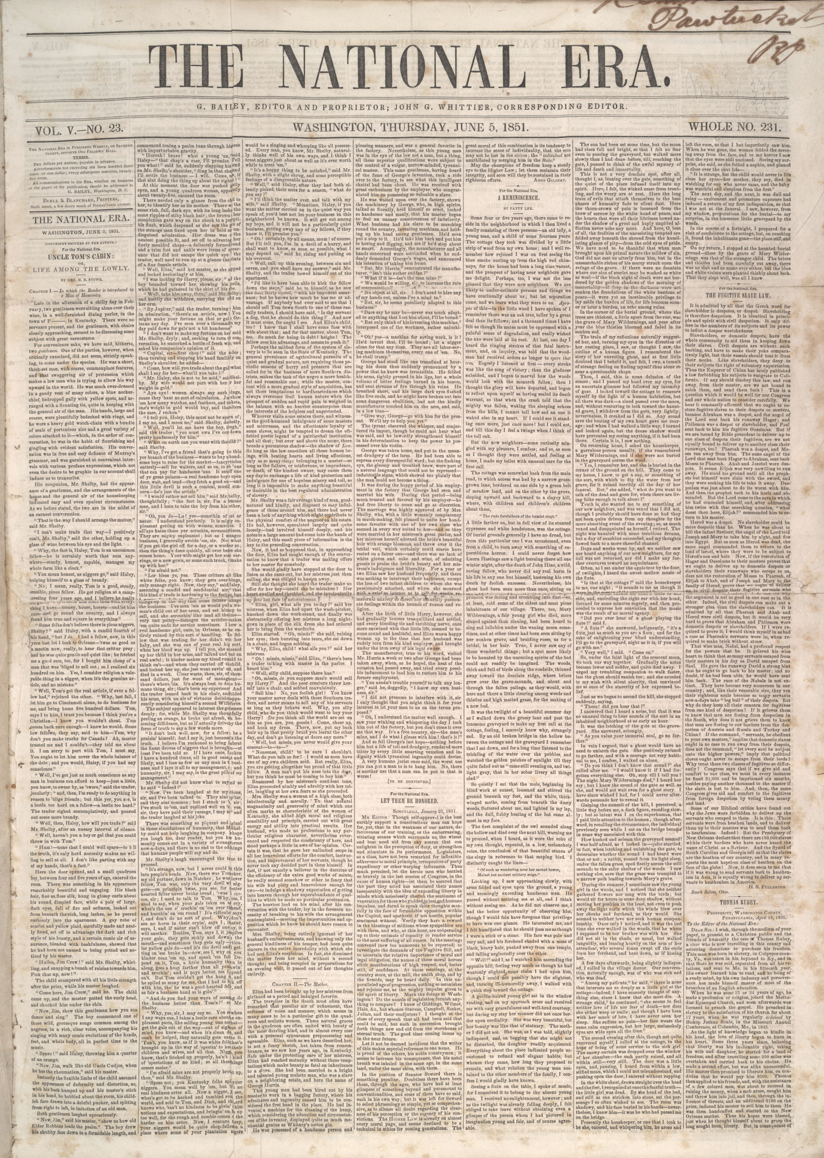 Initially published in the form of weekly installments in the abolitionist periodical The National Era between June 5, 1851 and April 1, 1852 before its publication as a two-volume book, Harriet Beecher Stowe's Uncle Tom's Cabin was a landmark anti-slavery text of the American Antebellum period. The sentimental novel, which interweaves Stowe's Christian beliefs with the violent realities of the slavery industry, was inspired not only by the 1850 passage of the Fugitive Slave Act, which required that all escaped slaves—even those in free states—be returned to their enslavers, but also the real-life narratives of those who had been formerly enslaved, such as Josiah Henson and Phebe Ann Jacobs. Uncle Tom's Cabin is often credited with fueling the abolitionist cause in the decade preceding the Civil War, with President Abraham Lincoln himself quoted as saying, upon meeting Stowe, "So this is the little lady who started this great war." At the same time, it reinforced harmful stereotypes about Black people, including the creation of the titular "Uncle Tom" literary archetype. |
Emily Crider | ||
| circa. 1855 |
Elizabeth Barrett Browning Publishes "A Curse for a Nation"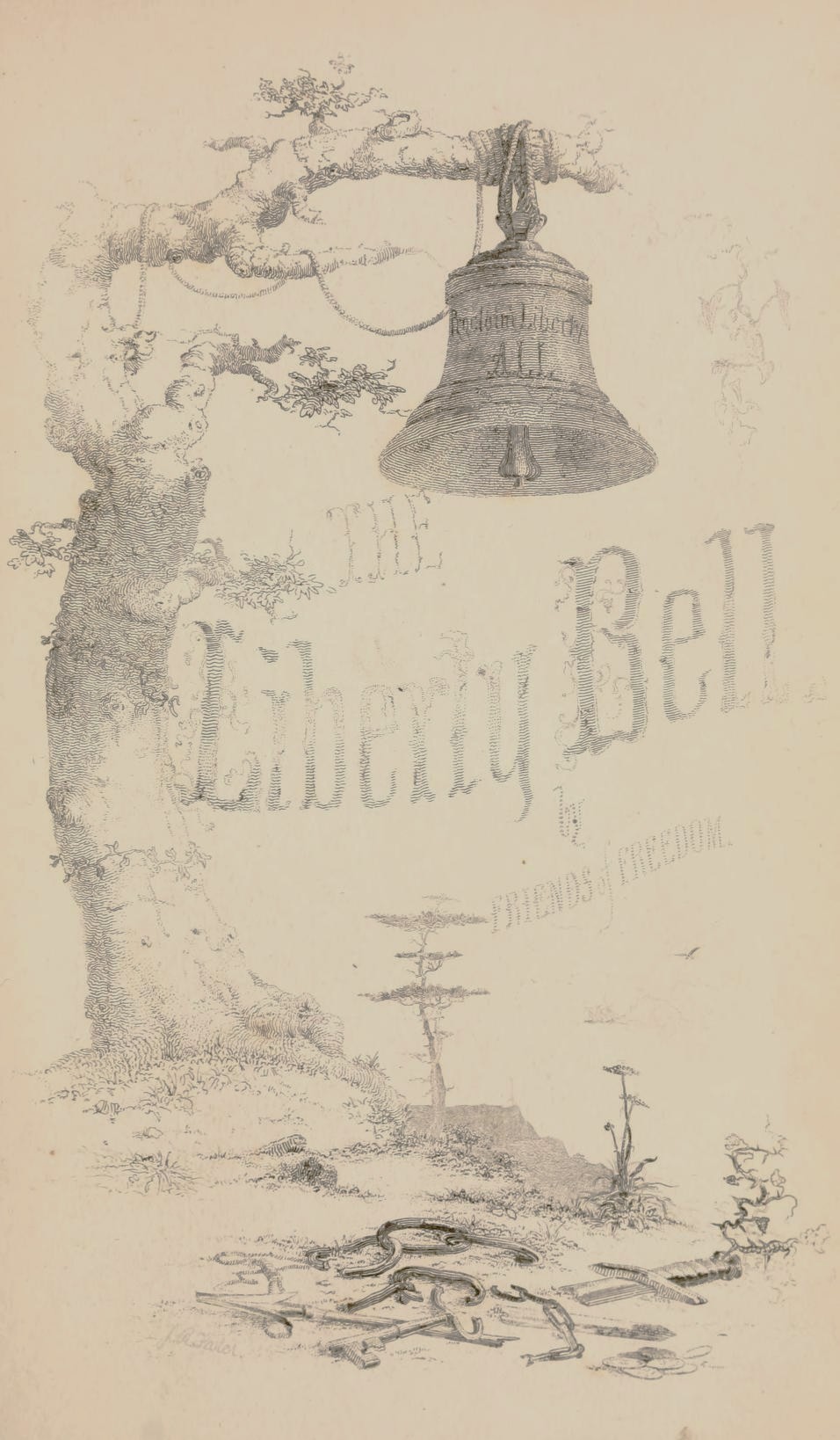 Title page of the 1856 edition of The Liberty Bell. Elizabeth Barrett Browning first published "A Curse for a Nation," the fifth and final of EBB's poems about slavery, in December 1855, as an invited contribution to the 1856 issue of the Boston-based abolitionist publication The Liberty Bell. Like "The Runaway Slave of Pilgrim's Point" before it, "A Curse for a Nation" reflected ongoing abolitionist debates in the United States, particularly as the country spiraled closer to the start of the Civil War. EBB would republish "A Curse for a Nation" a few years later in her collection Poems before Congress (1860), a recontextualization that led much of her British readership to interpret the piece as criticism of the British government for failing to support the Risorgimento, the Italian struggle for unification that lasted from 1848 to 1870. |
Emily Crider | ||
| 12 Mar 1860 |
Poems before Congress
ArticlesAlison Chapman, "On Il Risorgimento" Related ArticlesMarjorie Stone, “On the Post Office Espionage Scandal, 1844″ |
Dave Rettenmaier | ||
| 29 Jun 1861 |
Death of Elizabeth Barrett Browning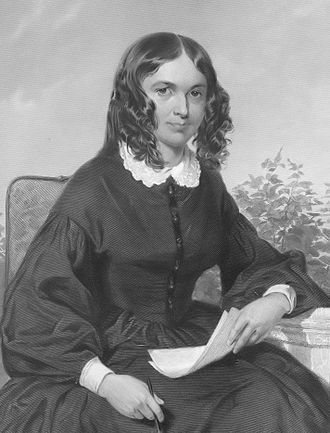 On June 29, 1861, at the age of 55, Elizabeth Barrett Browning passes away of an undiagnosed illness at Casa Guidi, the home in Italy that she shared with her husband Robert Browning. As a child, EBB had been weakened by a series of ailments—viral infections, measles, and various other pains and fevers—and, though the Italian climate had proven largely beneficial for her poor health, she never fully recovered and remained sickly throughout adulthood. |
Emily Crider | ||
| 2 Oct 1865 |
George William Gordon executedGordon, a Jamaican former slave and elected member of the Jamaica House of Assembly, is executed by hanging after a court martial condemns him to death for his alleged role in encouraging the Morant Bay rebellion. Articles |
Dave Rettenmaier | ||
| 11 Oct 1865 |
Morant Bay Rebellion
Articles |
Dave Rettenmaier | ||
| Dec 1865 |
“Jamaica Committee”
Articles |
Dave Rettenmaier | ||
| 11 Feb 1867 |
Trafalgar Square demonstrationMajor Reform League march and demonstration in Trafalgar Square, London on 11 February 1867. Related Articles |
Dave Rettenmaier | ||
| 27 Mar 1867 |
Edward John Eyre indictment hearing
Articles |
Dave Rettenmaier | ||
| 11 Apr 1867 |
Nelson and Brand charges dismissedA Middlesex grand jury at London’s Old Bailey criminal court dismissed charges brought by the Jamaica Committee against Colonel Abercrombie Nelson and Lieutenant Herbert Brand for the murder (via illegal court martial) of George William Gordon at Morant Bay, Jamaica in October 1865. The trial was a result of the Morant Bay Rebellion of 11 October 1865. Articles |
Dave Rettenmaier | ||
| Jun 1868 |
Edward John Eyre acquitted
Articles |
Dave Rettenmaier | ||
| Jun 1870 |
Civil suit against Edward John Eyre nullified
Articles |
Dave Rettenmaier |