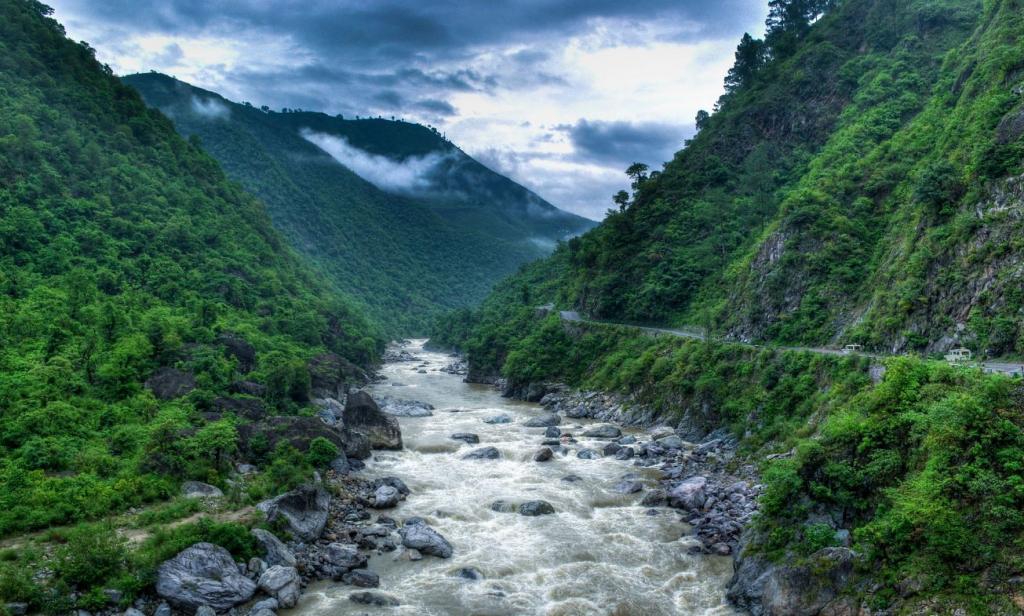
Dehradun is the interim capital city of the state of Uttarakhand in Northern India. It was formerly called Dehra during the reign of the British Raj. It is part of the Himalayan pilgrimage circuit of Chota Char Dham.
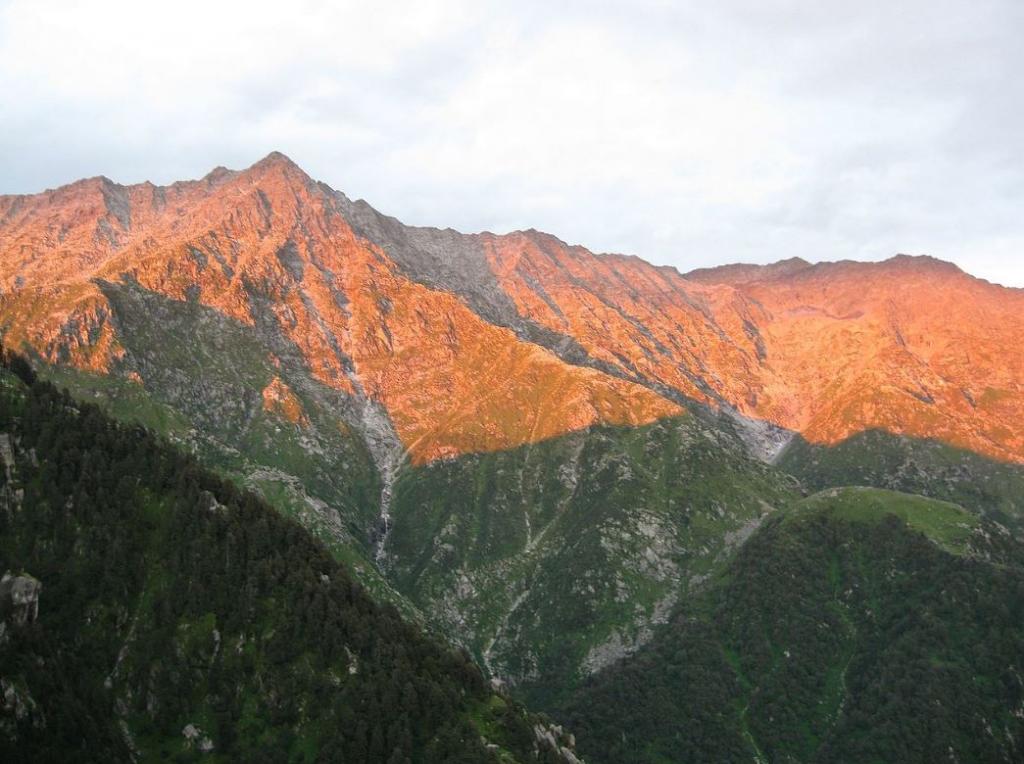
Kangra is a district in the state of Himachal Pradesh, North India. It is the home of the Masrur Temples, an eighth-century complex of rock-cut Hindu Temples. It became part of British India in 1846.
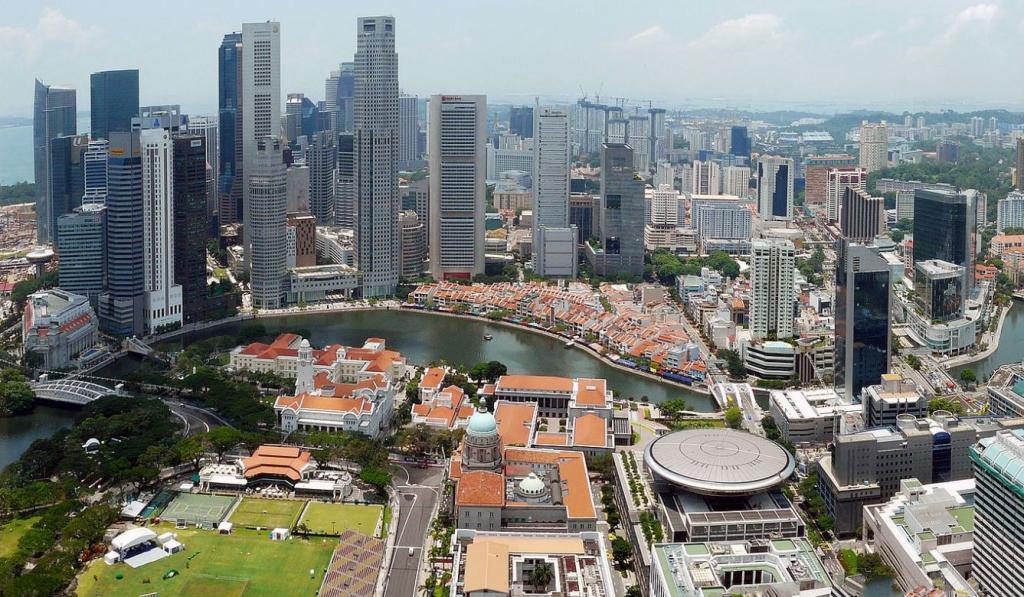
The Republic of Singapore is a sovereign city-state and island country in Southeast Asia. It was founded by Stamford Raffles in 1819 as a trading post of the British East India Company.
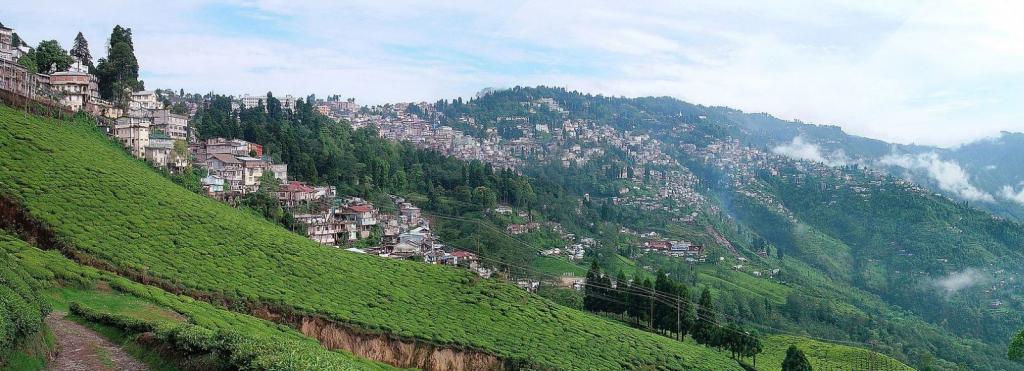
Darjeeling is a town and a municipality in the state of West Bengal, Eastern India. Located in the Lesser Himalayas, it is particularly noted for its tea production. Darjeeling tea is frequently ranked as one of the world’s most popular teas.
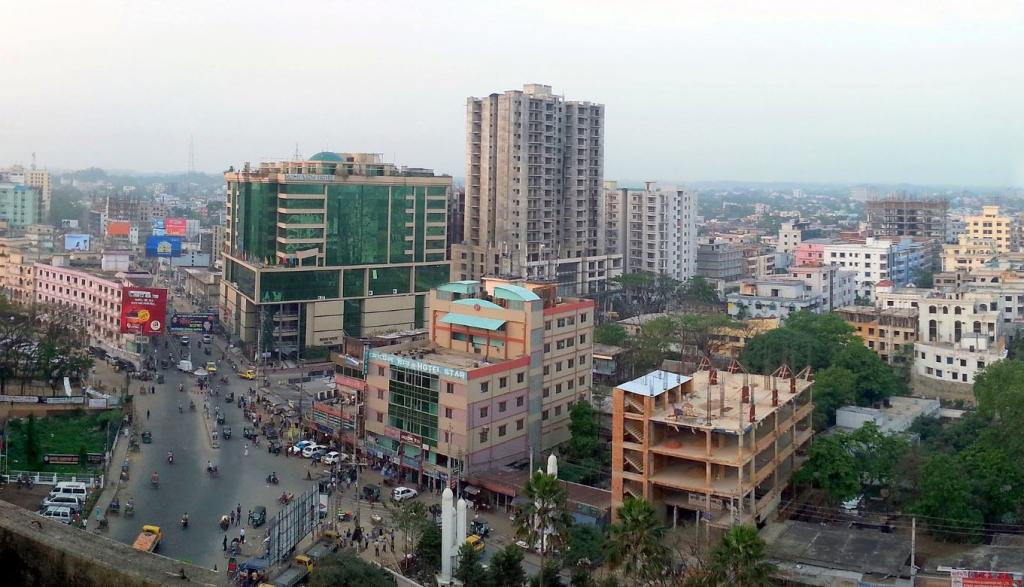
Chittagong (Chattogram, officially) is a major coastal city and financial centre in southeastern Bangladesh. The harbour in Chittagong functioned as an important gateway to the Bengal region for centuries.
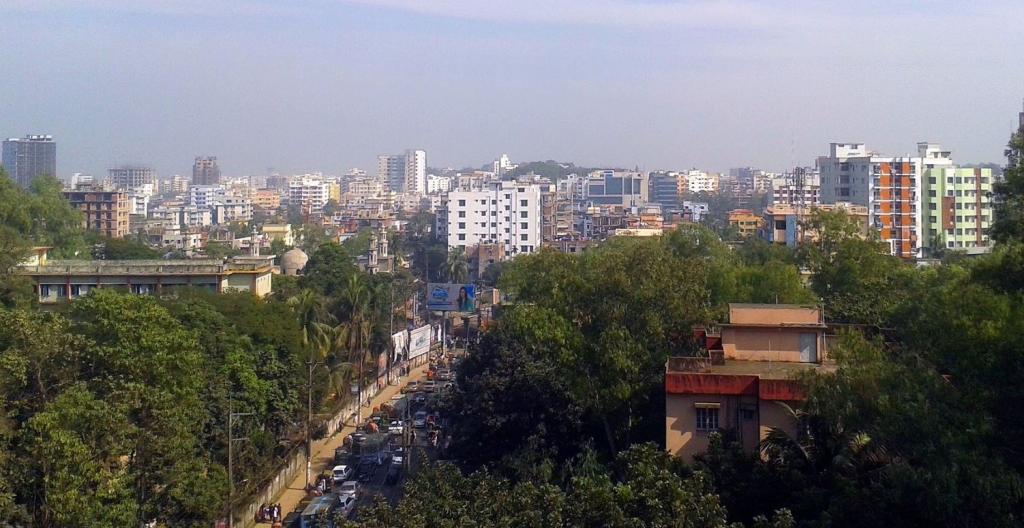
Sylhet is a city located on the right bank of the Surma River in northeastern Bangladesh. It is the seat of the Sylhet Division and is an important cultural and religious center.
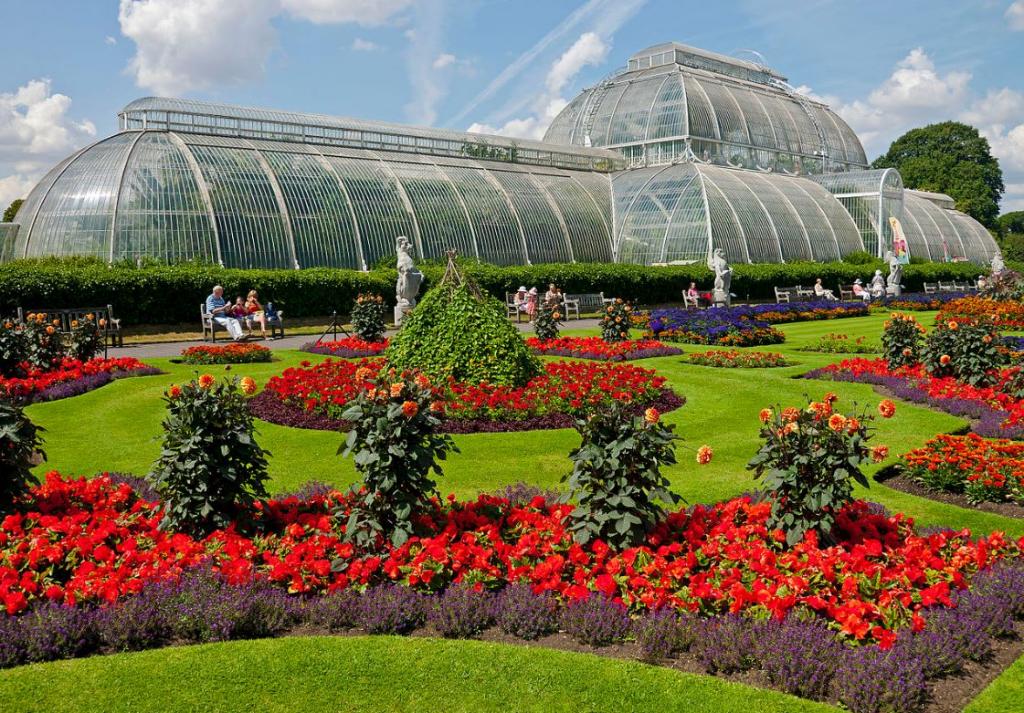
Kew Gardens is a botanical garden in the Borough of Richmond upon Thames, Southwest London, founded in 1840 from the seventeenth-century exotic garden at Kew Park and the royal estates of Richmond and Kew.
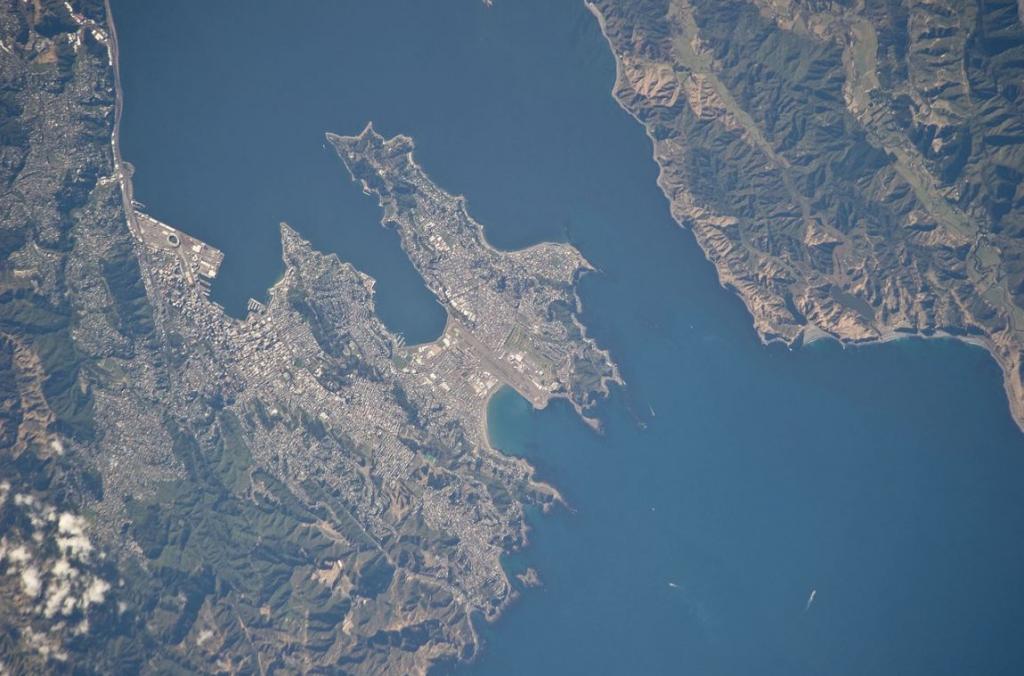
Wellington, or Te Whanganui-a-Tara, is the capital city of New Zealand, situated at the southwestern tip of the country’s North Island. European settlement in the area was begun by the colonial New Zealand Company in 1839.