Migration

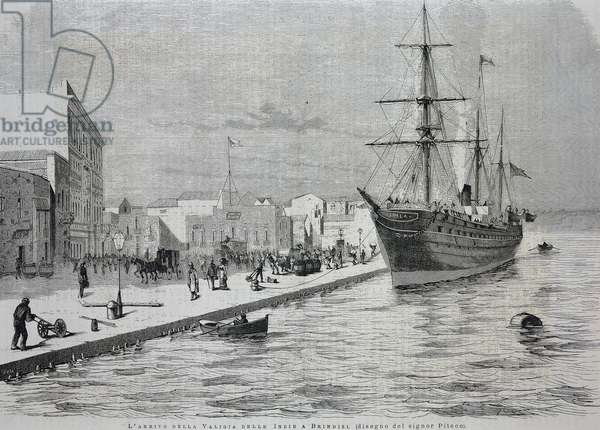
Migration to the United Kingdom was a big part of postcolonialism. It is important because without the migration postcolonial voices would have been more timid and less likely to speak out. In the process of witnessing others similar to them sharing their experience, in London of all places, it encouraged the spread of postcolonialism. 

What is Postcolonialism?

What is postcolonialism? Postcolonialism is, at its most basic definition, any work that deals with the issues of the historical colonial time period in Europe, Africa, Asia, the Caribbean, and elsewhere, but also how those groups of people responded to those unique experiences. It is a way that those who were influenced by colonialism could embrace their native cultures and embrace the experiences related with that and fight back against colonization.

Historical Background of Postcolonialism

The Post Colonial time period was ushered in by the ending of World War II. During this time, many colonies were gaining their independence. In The Norton Anthology of English literature it stated that “In winning a war, Great Britain lost an empire” (1832). It started in Southeast Asia, colonies in India and Pakistan gained their independence. This only began to spread to Africa and the Caribbean.