What can I do in COVE Groups?


Group members
Students in Lorraine Janzen Kooistra's English Capstone Seminar at Ryerson University in Toronto in F2020 aim to make a virtue of pandemic necessity by engaging collaboratively and critically with the digital surrogates of a wide variety of Victorian illustrated books published between 1843 and 1899.
Using the interpretive model of image/text/context for both synchronic and diachronic analyses, and drawing on a range of digital tools, this course aims to understand the past through the present and the present through the past.
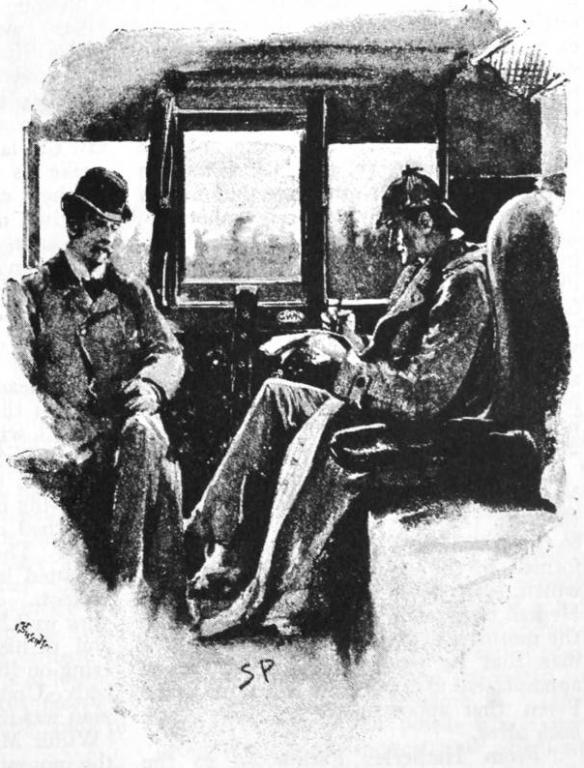
Our study begins with Charles Dickens's iconic Christmas Carol: A Ghost Story of Christmas, illustrated by John Leech (1843), then turns to two examples of poetry and illustration: Alfred Tennyson's "The Lady of Shalott," illustrated by Pre-Raphaelite artists William Holman Hunt and Dante Gabriel Rossetti (1857); and Christina Rossetti's "Goblin Market," illustrated by her brother, Dante Gabriel (1862). These mid-century works will provide the foundation for our study of the illustrated books that proliferated at the end of the century. We'll analyze a variety of fin-de-siècle genres and styles, starting with Arthur Conan Doyle's popular detective stories, The Adventures of Sherlock Holmes, illustrated by Sydney Paget (1892). Next up is Salome: A Tragedy in One Act, Oscar Wilde's censored play based on a biblical story, which was infamously "embroidered" by decadent artist Aubrey Beardsley (1894). Fairy tales and fantasies aimed at adult audiences allowed counter-cultural writers and artists to protest existing norms and imagine other worlds; our examples are Laurence Housman's self-illustrated collection, The House of Joy (1895) and Clemence Housman's gothic novella The Were-Wolf, with wood-engraved illustrations by the author after her brother Laurence's designs (1896). The Annancy Stories, a self-illustrated collection of folktales by Pamela Colman Smith, is the first-known publication featuring this Jamaican trickster figure (1899). Students examine the final work, A Christmas Carol: The Graphic Novel (2019), for evidence of the legacy of Victorian illustrated books today.
The following texts are available in COVE (see D2L for the other digital surrogates):
Charles Dickens, A Christmas Carol: A Ghost Story of Christmas (1843): A COVE Studio Text for class annotation
Clemence Housman, The Were-Wolf (1896): A COVE Annotated Edition
Christina G. Rossetti, Goblin Market (1862): A COVE Annotated Edition
Alfred Tennyson: The Lady of Shalott (1857): A COVE Studio text for class annotation
Victorian illustrated books resulted from the collaboration of a number of social agents, including authors, artists, engravers, editors, publishers, and readers. Using the COVE toolset, students and instructor work collaboratively to build resources that critically curate Victorian illustrated books in cultural contexts ranging from the nineteenth century to the present.
We will use the COVE annotation tool to hone our close reading and editorial skills. In COVE Studio, each student will provide TWO TEXTUAL ANNOTATIONS, one on "content," one on "craft," for Dickens's A Christmas Carol and Tennyson's "The Lady of Shalott."
We will use the Gallery Image tool to provide bibliographic and contextual information and iconographic commentary and analysis on illustrations, and to associate these with events in the Timeline and places in the Map.
We will use the Gallery Exhibition tool to critically curate illustrated books in cultural contexts, situating works synchronically, within their originating moment of production and reception, and diachronically, in terms of their ongoing moments of production and reception.
We will use the COVE Timeline tool to provide information about historical events relevant to Victorian illustrated books, both at the time of their first publication, and in their ongoing re-production over time and across media.
We will use the COVE Map tool to associate places relevant to illustrated books and their makers and the cultural contexts that we showcase in the Gallery and on the Timeline.