 British Literature II: Revolution, Reaction, Reform examines British literature from the late eighteenth century to the present, a period that witnessed the American and French Revolutions, slave revolts such as the Haitian Revolution, a “revolution in female manners,” the Industrial Revolution, the twentieth-century revolutionary wave in Europe, as well as World War I and World War II, and, of course, artistic revolutions. We will consider how the authors and literary works of this period might be reacting to change, advocating for reform, or participating in literary revolutions—whether revolution is understood in the sense of “revolving” or of “revolting,” going full circle to return to a previous (more perfect?) time or experiencing/effecting a great alteration or rupture.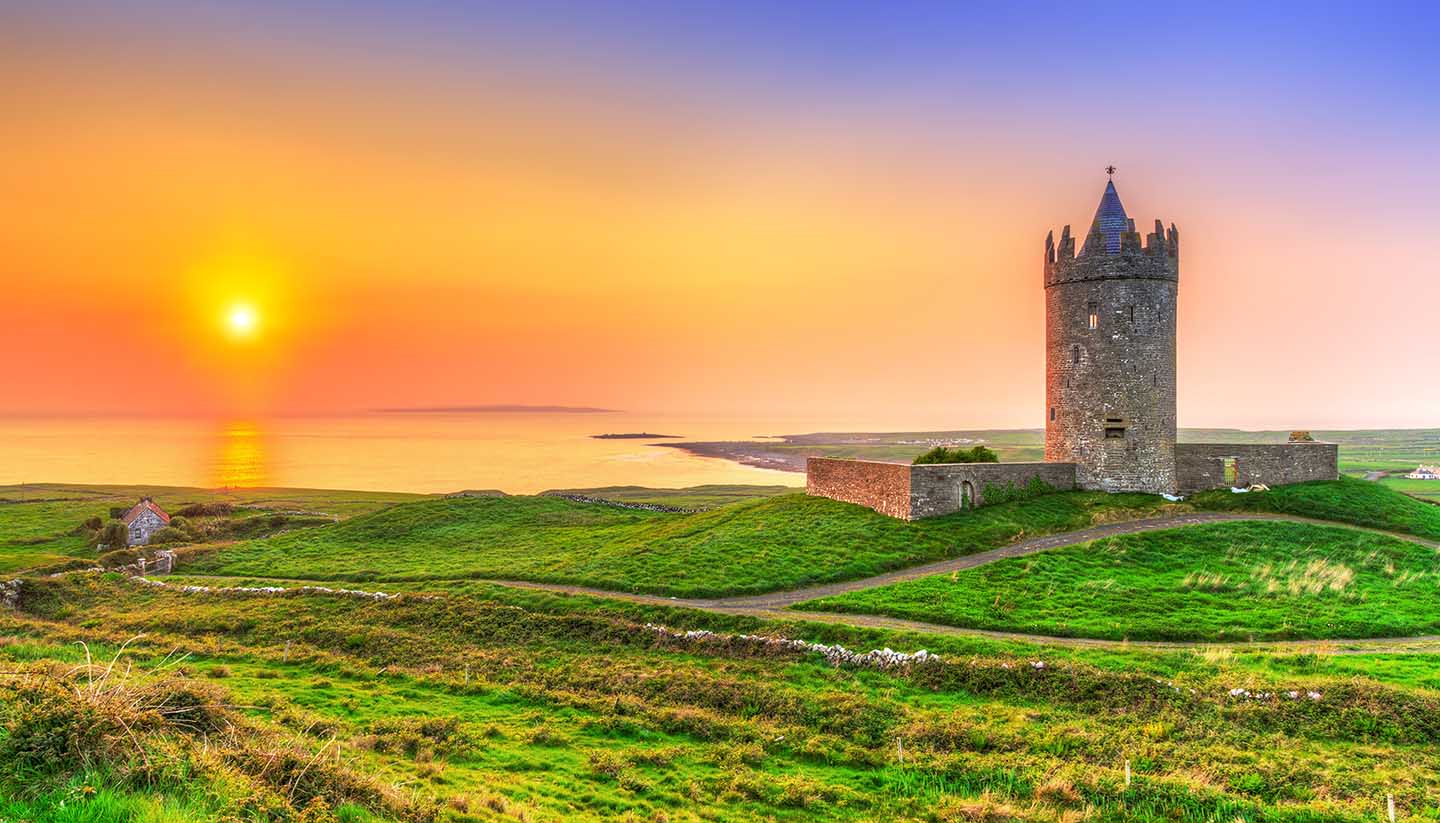
Ireland is a place very rich in culture, whether it be food, dance, or music; traditional dances such as the jig and the reel are celebrated worldwide. Trademarking St. Patricks day, Ireland's most historic city is Galway. Ireland is mentioned for times in the novel Frankenstein, specifically in Chapter four, of volume three. Several key moments happen in Ireland, first of all it is where Victor Frankenstien was accused of the murder of his friend Henery Clerval. This contibutes to Victor's guilt. Looking at the landscape and after doing some research and looking at various analysis examples, Ireland is symbolic of the shattered edges Victor Frankenstien's life.
Many of the Irish people were unhappy with the British people, because...
more